Photographers › Stock Photographers
Stock Photographers for Seniors: Costs, Comfort and the Adjustments Worth Asking About
Older customers meet stock photography from two directions. Some are buying it: the retired founder still running her consultancy, the 68-year-old opening a bakery, the senior creator whose online shop needs photographs that sell — licensing images of people their own age, for customers their own age. Others are in front of the camera: modelling for stock shoots, sitting for the kind of authentic, everyday photography of later life that agencies now actively commission. Both directions run on the same truth I learned managing a studio: the product is fine, but the process was designed for the young, the sighted, the quick, and the endlessly patient. For senior customers, the adjustments matter as much as the price.
This guide covers both seats — what stock photography costs when you license it, what a commissioned shoot costs when you are the subject, and the comfort and accessibility adjustments a good provider makes without being asked, plus the ones worth asking for by name.
The representation gap is why this market exists
Start with the odd fact underneath everything: older adults are photography's most under-served subject. An AARP analysis of more than a thousand online images found that while about 46 percent of the U.S. adult population is over 50, older adults appeared in only about 15 percent of media imagery — and seven in ten of those images showed them disconnected or isolated, rarely at work, and only 5 percent showed them using technology, despite most older adults owning smartphones. Getty Images reported searches for senior imagery rising 151 percent in a year when it launched its Disrupt Aging collection of 1,400 images with AARP, and Shutterstock's own content briefs now ask contributors for exactly what libraries lack: diverse seniors working, travelling, using technology, and living full, ordinary, active lives.
For a senior buyer, that gap is practical, not political. Search a mainstream library for photographs of people like your customers and you will find the same few models recycled across competing sites, images a specialist photographer of seniors describes as canned, outdated, too young-looking, and short on ethnic diversity. The authentic material exists — one specialist library photographs non-models mostly over 75 — but finding it takes either more money, more searching, or a commissioned shoot. Those are the three doors, and they price very differently.
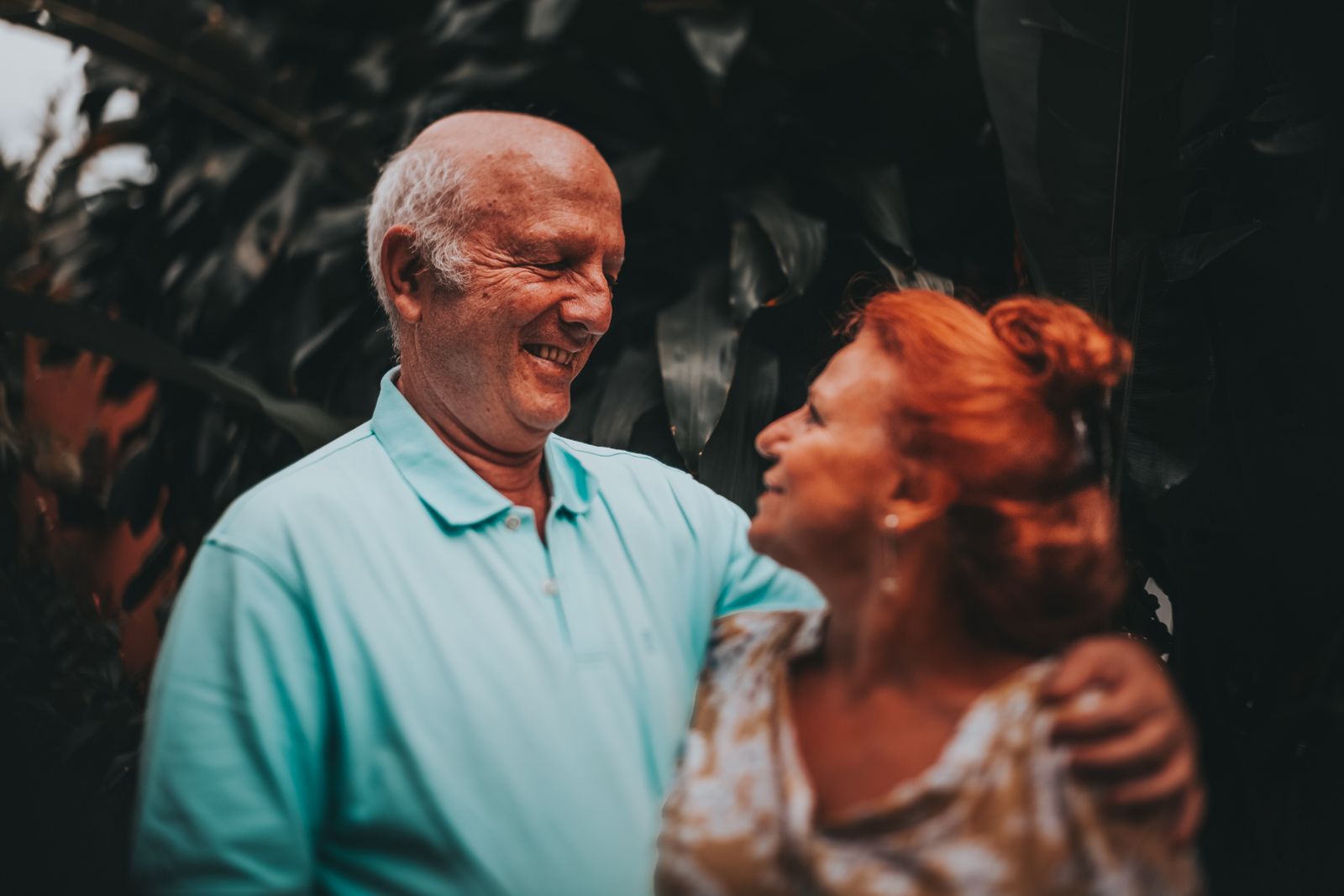
Door one: licensing existing stock — what it costs
Licensing is priced by rights, not by beauty. The same photograph can cost $1 or $1,250 depending on what you intend to do with it, so an older buyer comparing headline prices without reading the licence is comparing nothing.
| Licence type | Typical 2026 price | What it covers | Watch out for |
|---|---|---|---|
| Microstock subscription (royalty-free) | $0.20–$15 per image | Web, social, blogs, presentations | Same image on competitors' sites; print-run caps |
| Premium royalty-free, per image | $35 (medium) to $135 (extra-large) at Stocksy | Commercial and editorial use, up to 500,000 printed copies | File size tiers — buy the size your largest use needs |
| Extended / enhanced licence | About $50–$200 per image; Adobe Stock extended $79.99; Shutterstock enhanced roughly $50–$80 | Merchandise, templates, print runs over 500,000 | Needed the moment an image goes on anything you sell |
| Rights-managed | Roughly $150–$2,000+ | A defined use: medium, territory, duration | Expires; renewal is a new negotiation |
| Market freeze / exclusivity | From $1,250 per asset at Stocksy | Image removed from sale for your term | Worth it only for a brand-defining campaign |
| Direct from a photographer | e.g. $15 personal, $95 editorial, $150 commercial, $250 extended on one independent archive | Perpetual rights at the stated tier | Smaller libraries; check the photographer's other work |
Two senior-specific cautions belong in bold. First, sensitive use: licences restrict using a model's image in ways that imply the person endorses, or suffers from, something — health conditions, financial products, and medical services are the classic restricted categories, and they are precisely the categories marketed to older customers. If your business sells hearing aids, insurance, or care services and the photograph shows an identifiable senior, read the sensitive-use clause or ask the library in writing before the campaign, not after. Second, print runs and merchandise: a standard licence's 500,000-copy cap and its ban on resale items are the two limits small sellers trip over first, usually with a calendar, a T-shirt, or a book cover already at the printer.
Door two: being photographed — the commissioned senior shoot
The other seat is the session itself: a stock photographer shooting you, your business, or your community, either for your own marketing or as a paid or portfolio modelling session for a library. The comfort questions are the same ones my studio learned to ask of every older sitter, and a good stock photographer builds them in unasked:
Pacing. A stock shoot day is built in blocks with real breaks, not a three-hour stand under lights. Ask for the call sheet in advance, in writing: arrival time, how many set-ups, how long standing, when the seated set-ups happen. Good providers rotate standing and seated work and schedule the most physical set-ups early, while energy is highest.
Seating and support in shot. Chairs with arms, a stool at the right height, a handrail where the set has steps. None of this reads as "frail" on camera — a well-chosen chair is a prop — and all of it changes how long a sitter can work and how relaxed their face looks doing it. Tension photographs. Comfort photographs better.
Light and eyes. Mature eyes are often light-sensitive, and strobes fired at full power for hours are miserable. Ask whether the photographer can work with softer, continuous light for part of the session, and expect honest conversation about glasses: reflections can be managed with angle and polarizers rather than by asking a sitter to remove the glasses that are part of their face.
Sound and instruction. Direction given once, loudly enough, facing the sitter — not shouted across a set to an assistant. If you wear hearing aids, say so at booking; good photographers adjust without fuss and confirm poses visually as well as verbally.
Paperwork at a readable size. Model releases and licences explained in plain language, in print large enough to read without strain, with time to take them home. A release for stock is broad — your image may appear in advertising, for years, in contexts the photographer does not control — and any provider who rushes an older sitter through that signature is telling you something important about the whole arrangement. Take the release home. Read it with family if you wish. A legitimate shoot survives a day's delay.
Wardrobe honesty. The AARP findings cut both ways: older sitters are styled into beige invisibility or, in corrective overreach, into costumes that are not their lives. Bring your own clothes, including the bright ones. The briefs agencies now publish ask for wardrobes that feel realistic and true to everyday life — which means the shoot should look like your life, only better lit.
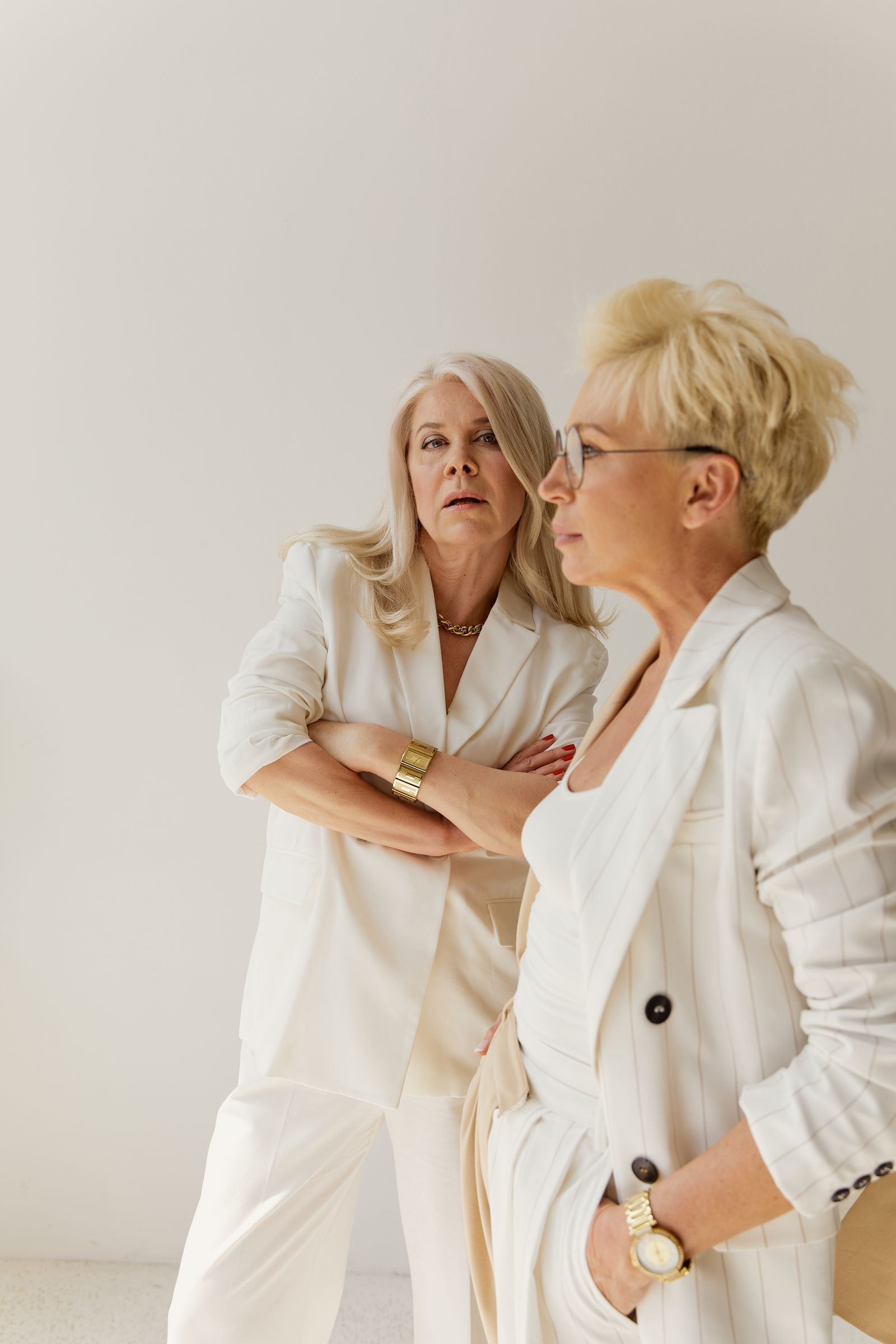
The adjustments worth asking about, as a buyer
If you are licensing rather than sitting, accessibility applies to the buying process too, and the better libraries and photographers accommodate more than their websites advertise:
- Human help with search. Libraries are searchable by the young and mouse-fluent. A senior buyer who phones a smaller library or an independent stock photographer can describe the image — "a woman in her seventies, running a shop, laughing, not looking at the camera" — and be sent a curated shortlist. That service is often free, and it beats an afternoon of keyword roulette.
- Large previews before purchase. Ask for a full-size watermarked preview to check at your own screen settings before licensing. Print suitability — will this file hold a poster? — is a resolution question the seller can answer exactly.
- The right file size, once. Stocksy's tiers ($35 medium, $85 large, $135 extra-large) reward knowing your largest use before you buy; upgrading later costs only the difference there, but not every library is as forgiving.
- A licence summary in plain English. Ask the seller to confirm, in an email you can keep, what your specific use permits: this product, this print run, this territory, this long. That email is worth more than the licence PDF neither party will reread.
- Commissioning instead. When the library gap defeats the search, a half-day commissioned shoot with a local stock photographer — you keep a licensed set of images of your real business, your real customers, your real age — can cost less than a rights-managed campaign licence, and nobody else will ever run your photographs. This site lists 314 stock photographers; ask two of them what a half-day, buyout-licensed shoot would cost before assuming the library is the cheap door.
The bottom line
For senior customers, stock photography's price list is only half the transaction. The other half is whether the process — the search, the licence, the shoot day, the signature — was built with an older person in the room. The costs are knowable: cents-to-dollars for subscription images, $35 to $135 for premium royalty-free files, $50 to $200 when the image goes on anything sold, four figures when exclusivity matters. The comfort is askable: pacing, seating, softer light, clear direction, readable paperwork, and time to decide. Providers who work with seniors regularly will recognize every item on that list and add a few of their own. Providers who look blank are not necessarily unkind — they are simply telling you their process was designed for somebody else, and at these prices, you are entitled to one designed for you. Ask early, ask in writing, and keep the answers with the licence — future you, mid-campaign or mid-shoot, will be glad the asking happened while it was still cheap.
Sources
- AARP image analysis, via Fast Company and Editions Photo Art — adults over 50 are about 46 percent of the U.S. adult population but appear in about 15 percent of media imagery; seven in ten images showed older adults disconnected or isolated, 13 percent showed them in a work setting, and 5 percent with technology.
- Getty Images and AARP Disrupt Aging collection — 1,400 images of older adults working, travelling, and with family, launched after a reported 151 percent rise in searches for senior imagery.
- Shutterstock, 2025 senior content brief — customers seeking diverse, authentic images of seniors working, travelling, using technology, and pursuing hobbies, with seniors described as underrepresented in stock content.
- SmartBug Media, guidance on realistic senior stock photography by a specialist senior photographer — mainstream senior search results recycle the same models and skew canned, outdated, too young, and lacking diversity, while specialist libraries photograph non-models mostly over 75.
- Stocksy, published pricing — standard royalty-free licences at $35 medium, $85 large, and $135 extra-large with up to 500,000 printed copies; team use +$100, enhanced +$300, and market freeze from $1,250 per asset.
- Stock licensing price comparisons for 2026 — microstock royalty-free images at $1–$15 per download on subscriptions, extended royalty-free licences at about $50–$200, rights-managed licences from roughly $150 to $2,000 and up, and standard subscription images from $0.20.
- StockPhotoSecrets, extended licence comparison — Adobe Stock extended licence at $79.99 per image and Shutterstock enhanced licences at roughly $50–$80 per image.
- Billy Newman Photo, direct licensing archive — personal licence $15, editorial $95, commercial $150, and extended $250, as an example of buying perpetual rights directly from an independent stock photographer.
Photo credits
- Senior couple embracing outdoors — photo by Matheus Bertelli, https://www.pexels.com/photo/13871043/
- Two senior women in business dress — photo by Darina Belonogova, https://www.pexels.com/photo/7959674/
More guides
- How to Find a Wedding Photographer: The Complete, Honest GuidePhotographers › Wedding Photographers
- How Much Does a Wedding Photographer Cost? Packages DecodedPhotographers › Wedding Photographers
- 10 Questions to Ask a Wedding Photographer Before You BookPhotographers › Wedding Photographers
- Wedding Photography Styles Explained: Documentary, Editorial, Traditional, Fine ArtPhotographers › Wedding Photographers
- Hiring a Wedding Photographer in California: Venue Light, Permits, and Price LevelsPhotographers › Wedding Photographers
- All Guides & ArticlesBrowse the full guides library