Photographers › Studios
Studios for Seniors: Costs, Comfort and the Adjustments Worth Asking About
A portrait studio is designed, by default, for people who can stand under hot lights for forty minutes, perch on a backless stool, climb a platform, read a price list in small print, and hear direction called across a room. Older customers often can do some of those things and should never have to do all of them. The difference between a studio that works for seniors and one that merely tolerates them is not kindness — it is a set of physical and procedural adjustments, most of them cheap, that good providers make without being asked and the rest will make if you know what to request.
I book photographers for events where the guest of honor is frequently in their eighties: anniversaries, reunions, milestone birthdays, the family portrait that finally includes four generations. I have learned to audit a studio the way I audit a venue — from the parking lot in, at the pace of the slowest person who will use it. This site lists 769 studio businesses among its photography listings. Here is how to choose among them when the sitter is a senior, what it should cost, and the adjustments that separate a portrait your family keeps from an afternoon everyone endures.
What a senior studio session costs
Studio portrait pricing for adults is structured as a session plus products, and published portrait price guides make the shape clear. One portrait studio’s current guide lists an Essential session at $350, a Signature session at $585 — its most popular — an Heirloom session at $1,000, and a Luxury experience at $2,000, and notes that most clients invest between $600 and $1,200 in total, depending on variety and on whether they choose printed artwork or albums. That range is the honest planning figure for a senior portrait done properly: not the session fee alone, but the session plus the framed print for the wall and the smaller prints the family actually asked for.
Three cost points matter specifically for older sitters. First, the ordering appointment. Many studios separate the session from a reveal-and-ordering appointment, in person, days later. For a senior, that is a second trip, a second parking lot, and a sales conversation conducted in front of a large screen. Ask the total likely spend before the session, ask whether ordering can happen on the same day or from home, and treat a studio that will not discuss product prices in advance as a cost risk, whatever its session fee. Second, prints versus files. Families usually want both — a framed portrait now and digital files for children and grandchildren to share. Price both in advance; a cheap session with expensive files is the oldest pricing shape in the studio business. Third, the group arithmetic. A multigenerational session is often priced as one portrait session with the family as the subject, not per person — but confirm, because per-person or per-grouping fees appear in some studios’ fine print, and a four-generation sitting has many groupings.
What you should not pay extra for is accommodation itself. Seating, breaks, a slower pace, an accessible entrance — these are the studio’s operating basics, and no reputable provider itemizes them. If a quote includes a charge that amounts to “extra time because of age,” take your business to one of the other studios on the list.
The physical audit: from the parking lot in
Do this audit on the phone or in a short visit before booking, in the order the sitter will experience it.
Arrival. Is there parking close to the door, a level or ramped entrance, and an elevator if the studio is not on the ground floor? Studios in converted industrial buildings — old mills and warehouse lofts are fashionable — can mean long corridors, freight elevators, and uneven floors. Fashionable is not the same as passable.
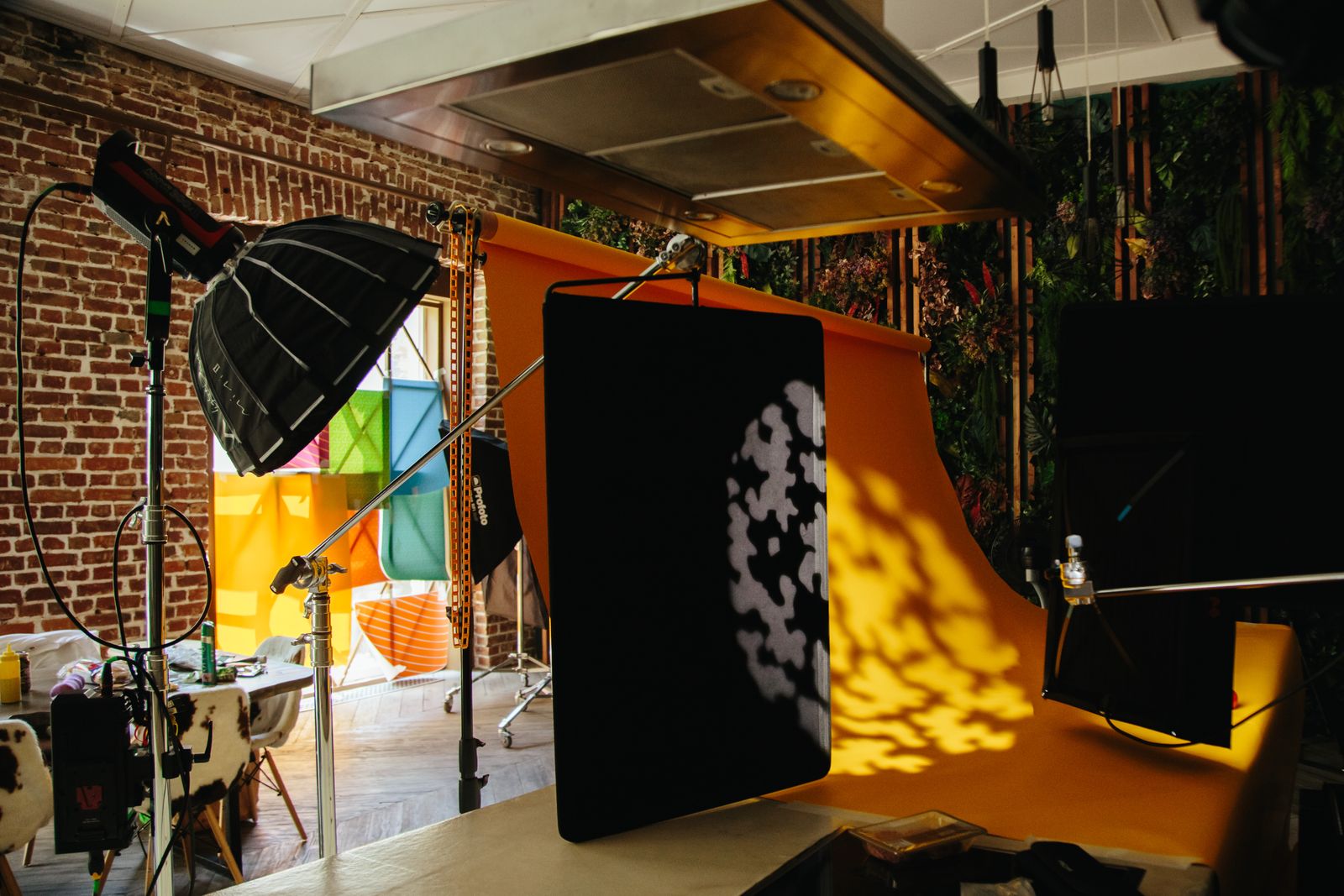
The room itself. Good accessible studios keep wide, unobstructed paths through the set, consistent floor levels, and lighting stands placed so that moving between positions does not mean stepping over cables and sandbags. Ask where the sitter will sit — a stable chair with arms and a back, at a height that is easy to rise from, is the single most important piece of furniture in the building. The backless posing stool, designed to enforce posture in the young, is the wrong default for an eighty-year-old, and a good studio offers the chair without a discussion.
Seating as a pose, not a concession. The best senior portraiture is seated by design: a stable chair lets the sitter relax, gives the photographer time to work on expression and hands, and produces the formal, composed portrait families usually want from a studio. Skilled photographers seat grandparents at the center of a multigenerational group — parents standing behind, children beside or in front — which is simultaneously the classic composition and the comfortable one. Offer a seated pose without making it the only option: a sitter who would rather stand, or walk, or hold a meaningful object — a book, a craft, an instrument — should be photographed that way. The adjustment to insist on is choice, not a chair imposed as a diagnosis.
Temperature, light, and time. Studio lights and a closed room warm up; older sitters feel both heat and cold more, and a studio that checks is a studio that has done this before. Flash deserves a specific question for sitters with light sensitivity or certain eye conditions — a good studio can light continuously or with soft, diffused sources instead, and soft light is in any case the flattering choice for older skin: a large window or a diffused key light gives a gentle, even result, where harsh direct light exaggerates every line the sitter was worried about. And the session’s clock should bend: regular breaks, time to rest between setups, and the most important groupings photographed first, while energy is high — a Connecticut multigenerational studio describes exactly that order, grandparents’ pairs first, the full group next, children’s active play last. That sequence is not sentimentality. It is production planning around a real constraint, and it is what you are paying a professional for.
Communication adjustments that cost nothing
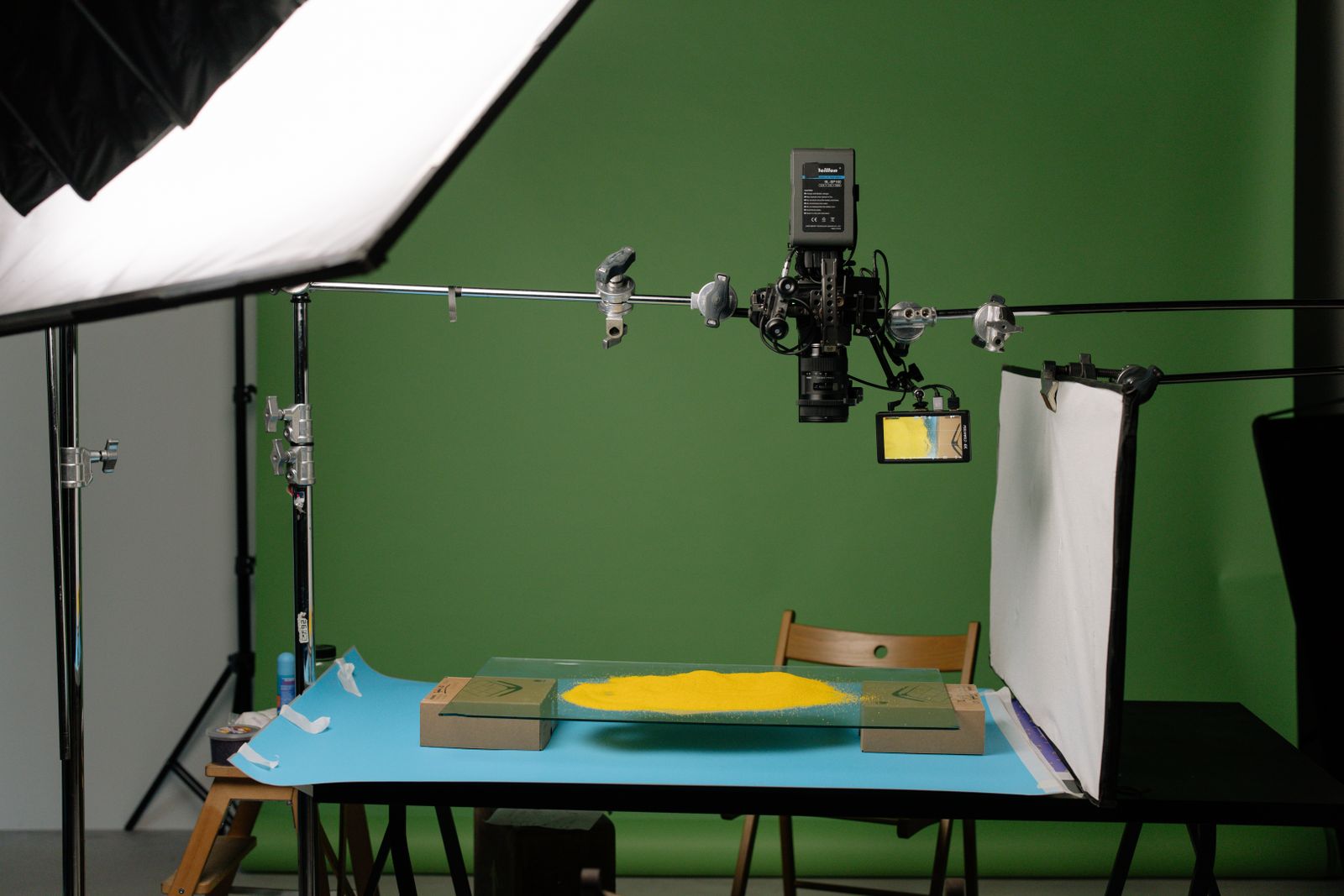
Some of the highest-value adjustments are procedural. Written consultations and price lists in large, readable print — or sent by email in advance, where they can be read at home at any size — help sitters with hearing loss or vision changes far more than a louder voice in a noisy studio. Direction during the session should be given facing the sitter, close, and one instruction at a time; a photographer who calls poses from behind the camera across a lit set will lose a hard-of-hearing sitter in the first five minutes. A companion should be welcome in the room — a spouse or adult child who helps with clothing, hears the direction, and notices fatigue before the photographer does. And the editing conversation belongs in this section too: good senior portraiture edits for the person, not for a generic idea of youth — exposure and color adjusted so skin looks natural, temporary distractions removed if the sitter wants that, and the lines of a lived life left respectfully alone unless the sitter asks otherwise. Say that preference out loud before the session. Retouching philosophy is a taste decision, and the sitter’s taste governs.
The adjustments worth asking about, in one list
Ask these before you book, and listen for whether the answers sound routine — at a good studio, every one of them will:
- Is the entrance step-free, and how far is it from parking to the studio chair?
- What will the sitter sit on? Can we see the chair — arms, back, and a height that is easy to rise from?
- Can the main portrait be made seated, and the group arranged around a seated center?
- How long is the session really, how many breaks are built in, and are the key groupings shot first?
- Can lighting be soft or continuous rather than hard flash?
- Can a family member stay in the room throughout?
- Can we see prices — session, files, and prints — in writing, in advance, and order without a second trip if we need to?
- What is the total a family like ours usually spends? (Compare the answer with the $600–$1,200 typical investment in published guides.)
When the studio should come to you
Sometimes the right answer is not an adjusted studio but no studio at all. A photographer working in the sitter’s own home or garden gets the familiar chair, the controlled distance from the car, the restroom that is not down a corridor, and — often — the better portrait: a person in their own place, with their own things, reads as themselves in a way a backdrop rarely achieves. One well-regarded approach to photographing older adults starts exactly there: ask what kind of portrait the person wants, choose a place where they feel at ease, and check in advance that there is somewhere to sit, a reasonable walking distance, and enough light. Home sessions are priced like location portrait sessions rather than studio sittings, and for a sitter with real mobility limits the comparison is not studio fee versus home fee — it is a session that happens comfortably versus one that does not happen at all.
Choosing the studio
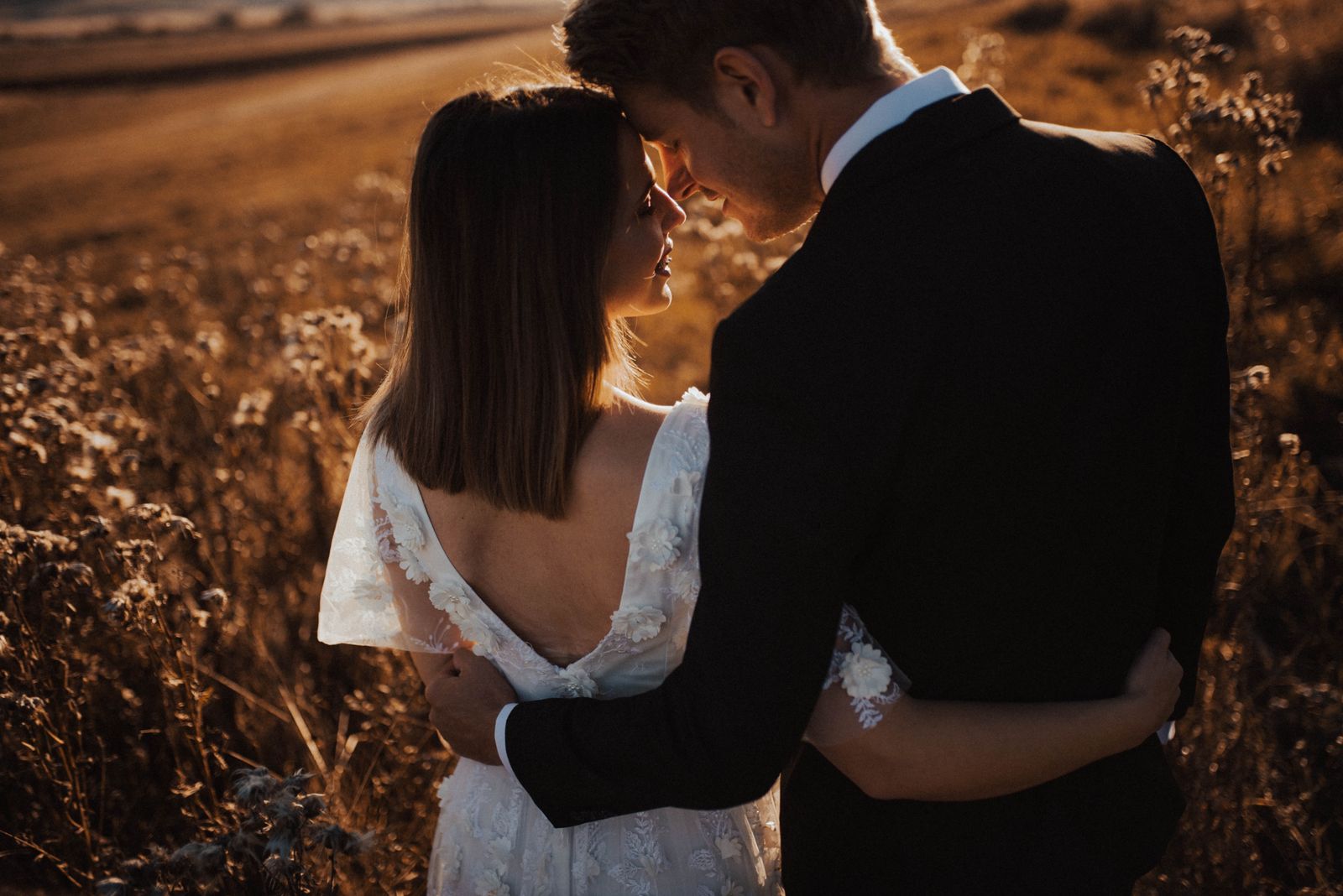
This site lists 769 studios, alongside 672 portrait photographers — narrow by the audit, not by the backdrop gallery. The studio that answers the eight questions above as routine, quotes its full typical spend without flinching, and talks about seating and pacing as part of the craft is the studio that has photographed seniors before and expects to again. Book the portrait while the sitter can enjoy being celebrated by it. That, in the end, is the only scheduling advice in this guide that cannot be adjusted.
Sources
- Tom Sparks Photography, Portrait Price Guide — Essential session $350, Signature $585, Heirloom $1,000, Luxury $2,000, and typical client investment of $600–$1,200.
- PSWish, Elderly Photography Ideas — asking the sitter what they want, comfortable locations, soft light and catchlights, seated posing as a choice, and editing for the person.
- Moss and Fog, 9 Tips for Celebrating the Elderly During Photo Shoots — comfort and seating, soft lighting, patience and breaks, meaningful props, and planning for accessibility.
- Virginia Jimenez, Accessibility Features in Adult Photography Services — navigable studio layouts, adjustable seating and lighting, written consultations, and flexible pacing.
- Legend Photo and Film, Multigenerational Family Portraits — planning around mobility, seating and hearing needs, checking routes from parking, and photographing grandparent groupings first.
Photo credits: Studio backdrops — photo by Ron Lach, https://www.pexels.com/photo/8857043/ . Studio setup — photo by cottonbro studio, https://www.pexels.com/photo/5878878/ . Portrait couple — photo by Sandro Crepulja, https://www.pexels.com/photo/3361200/ .
More guides
- How to Find a Wedding Photographer: The Complete, Honest GuidePhotographers › Wedding Photographers
- How Much Does a Wedding Photographer Cost? Packages DecodedPhotographers › Wedding Photographers
- 10 Questions to Ask a Wedding Photographer Before You BookPhotographers › Wedding Photographers
- Wedding Photography Styles Explained: Documentary, Editorial, Traditional, Fine ArtPhotographers › Wedding Photographers
- Hiring a Wedding Photographer in California: Venue Light, Permits, and Price LevelsPhotographers › Wedding Photographers
- All Guides & ArticlesBrowse the full guides library