Photographers › Studios
Studios Gone Wrong: Your Options, Your Rights and How Fixes Actually Work
Something has gone wrong with a photography studio, and you are reading this instead of enjoying your pictures. Perhaps the gallery never arrived. Perhaps it arrived and the images are unusable, or half the session is missing, or the studio has gone quiet in a way that stopped feeling like busyness two weeks ago. Perhaps the product shoot your business paid for delivered files you cannot use, in the wrong format, after the launch they were for.
I managed a portrait studio, and I will tell you the thing studios know and clients usually learn late: these situations are almost never resolved by the angriest message or the most patient silence. They are resolved by a sequence — a calm, documented escalation in which each step creates the evidence the next step needs. This guide lays out that sequence, what you can realistically recover at each stage, and the deadlines that quietly expire while you are deciding whether to make a fuss. It is general information about how these disputes work in the United States, not legal advice about your case; for a large claim, an hour with a local consumer lawyer is money well spent.
First, name what actually went wrong
Studios fail in distinguishable ways, and the remedy depends on which one you have. Put yours in a category before you write a word:
- Non-delivery. You paid, the session happened, the photographs have not arrived — or the studio has stopped responding entirely. This is the strongest position a client can be in, because the failure is objective and provable.
- Lost or corrupted files. The studio says the images are gone: card failure, theft, a crashed drive. Professional backup practice is an industry standard, and its absence is part of your claim, not an act of God that excuses it.
- Quality failure. Images were delivered but are unusable — out of focus, badly lit, key people or products missing, a shot list ignored. This is the hardest category, because quality is argued, not counted. Your evidence is the studio's own portfolio and the contract's promises, side by side with what you received.
- Substitution. You booked a named photographer and a stranger arrived. If the contract named the person, this is a breach in itself, whatever the substitute's quality.
- Product and format failures. For businesses: files in the wrong specification, no commercial license where one was promised, prints or albums never produced, colours that do not match the product. Objective, documentable, and often fixable — which cuts both ways, as you will see.
- Money disputes. Deposits kept after the studio cancelled, balances demanded for undelivered work, "non-refundable" invoked against a service that was never performed. A label in a contract does not settle these; what was actually delivered does most of the settling.
Write your category, your contract's promised delivery date, and what you have actually received into three sentences. Every message, complaint, and filing from here on is those three sentences with evidence attached.
Step one: the written escalation, with dates
Most studio disputes that resolve, resolve here — because most studios are not villains, they are behind, disorganised, or hoping a problem will age away. Your job is to make the problem impossible to age away, politely and in writing.
Work to a dated rhythm that consumer guides for photography disputes lay out consistently. The day after the contractual deadline passes, message on every channel you have — email, text, the studio's social accounts — on the same day, and screenshot each message. A week later, follow up once, asking for a specific new delivery date in writing; a date given in writing is a win, so log it and honour it. If that date passes, or no date comes, send a formal demand letter — by certified mail with return receipt requested, and by email the same day — stating the contract, what was paid, what was promised, what is missing, what you want (delivery by a named date, or a refund of a named amount), and a deadline of about 14 days for response.
Two habits decide whether this step works. Keep everything: the signed contract, receipts, the message log with dates, the studio's advertised portfolio and package descriptions (screenshot them now, because websites change during disputes), and any files you did receive, untouched. And keep the tone boring. The demand letter that works reads like an invoice, not a breakup. Studios respond to paper trails because paper trails are what the later steps run on.
What a fix actually looks like, remedy by remedy
Clients and studios talk past each other because "fix it" means four different things. Name the one you want:
| Remedy | When it is realistic | What it typically covers |
|---|---|---|
| Delivery, late but complete | The files exist and the studio is behind or disorganised | Everything contracted, sometimes with a partial refund or free products for the delay |
| Reshoot or restage | Portraits, products, and business imagery that can be recreated | A new session at no charge; for product work, reshipping and reshooting the items |
| Partial refund | Some work delivered and usable, some missing or below the contracted standard | The undelivered or unusable portion — published dispute guidance puts partial-quality refunds commonly in the hundreds to a few thousand dollars on typical packages |
| Full refund | No-show, total non-delivery, files lost, studio cancelled | All payments made, plus documented costs the breach forced on you, such as replacement coverage |
| Salvage and restoration | Files exist but are damaged, badly edited, or delivered in the wrong form | Professional editing or restoration of what survives, at the studio's cost or as a credited expense |
Notice what is not on the list: recreating the unrepeatable. A wedding, a newborn's first week, a product launch event cannot be reshot, and courts know it — which is why claims involving one-time events are treated seriously, and also why their compensation is money rather than photographs. For business clients, the parallel point is consequential cost: if a studio's late delivery killed a campaign date, document what that cost — rebooking, rush fees, the replacement shoot — because documented consequential losses are a recognised category in contract claims, while undocumented frustration is not a category at all.
Step two: the payment lever, while it is still open
If the studio misses the demand deadline, your payment method becomes a remedy of its own — and it is the one with a clock. If you paid by credit card, you can dispute the charge for services not delivered as agreed. Federal billing-error rules give you 60 days from the statement that first showed the charge to give your issuer written notice; card networks run their own dispute windows, with Visa's commonly cited at 120 days from the expected delivery date. The practical trap is arithmetic: a deposit charged eight months before a wedding or a product launch may be outside its window while the rest of your options are still wide open. Check the card route early, even if you hope not to use it, and file on evidence — contract, receipts, the demand letter, the missed dates — not on adjectives.
A chargeback is a lever, not a verdict. Studios can respond with the contract, and some studio terms treat a chargeback after services were received as a debt to be collected. Use it for genuine non-delivery or material failure, document it like everything else, and do not spend refunded money until the dispute is actually closed.
Step three: complaints that create pressure
Two complaint routes run in parallel, and they do different work. A Better Business Bureau complaint costs nothing and carries no enforcement power — but studios, especially consumer portrait studios that live on local reputation, resolve BBB complaints at a notable rate because the file is public and the rating matters. File with your three sentences and your evidence, and respond to the studio's reply in the same documented tone.
Your state attorney general's consumer-protection office is the heavier instrument. It will not usually recover one client's money directly; its power is pattern-based. When a studio accumulates complaints — deposits taken, sessions missed, photographs withheld — attorneys general do act: in June 2026, Pennsylvania's attorney general sued a Philadelphia wedding photography business alleging exactly that pattern, seeking refunds for consumers and civil penalties. A report to the Federal Trade Commission at ReportFraud.ftc.gov feeds the same pattern system nationally. File all three once your demand deadline has passed; each takes minutes, and together they convert your private dispute into a regulatory fact.
Step four: small claims, where most of these cases belong
Studio claims fit small claims court almost by design: the amounts are typically a few thousand dollars, state limits run from about $2,500 to $25,000 depending on the state — California's is $12,500 — filing costs are modest, and no lawyer is required. The case you present is the file you have been building: the contract, proof of payment, the timeline of promises and delivery dates, the demand letter and its receipt, examples of the quality failure beside the studio's own advertised work, and quotes for the reshoot or restoration you are claiming. Name the party correctly — the business or individual on the contract, found through your secretary of state's business registry if the studio trades under a different name — and file where the contract was made or the work was performed.
Be clear-eyed about what a court can award: payments made, replacement and reshoot costs, and documented consequential losses. Emotional-distress awards in contract cases are rare and conservative, even for lost wedding photographs. The strength of a photography claim is not outrage; it is the gap between a written promise and a dated non-delivery, and that gap is either in your file or it is not.
The clauses that decide the next dispute
Whether your current case settles or files, read your studio contract once more for the clauses that decided how hard this was: a delivery date or an open-ended "when ready"; a named photographer or "a photographer"; a backup and file-retention commitment or silence about lost files; a limitation-of-liability clause capping the studio's exposure at the fee paid — common, and the reason consequential costs need documenting rather than assuming; and an arbitration clause, which some large portrait chains impose, waiving court and class actions entirely. None of these is automatically unfair. All of them are negotiable before you sign and almost none are afterwards, which is why the cheapest fix in this entire guide is the one applied to your next booking.
A calm closing note, from the other side of the counter
Studios that survive do so on referrals, and most owners, presented with a documented failure and a specific, proportionate remedy, will choose the remedy over the dispute — especially in writing, especially with a deadline, especially knowing the file exists. Start there. Escalate on schedule. Keep the paper. This site lists 769 photography studios, so if the relationship is genuinely over, the market is not your problem; and the same three sentences that structured your complaint — what was promised, what was paid, what is missing — are, turned around, the brief that gets your reshoot, your product session, or your family's portraits done properly the second time.
Sources
- Pix Wedding, My Wedding Photographer Ghosted Me — the dated escalation sequence of multi-channel contact, a written date request, a certified-mail demand letter with a 14-day deadline, then charge dispute and small claims, with the 60-day billing-error and 120-day Visa dispute windows.
- Small Claims Hero, How to Sue a Wedding Photographer in Small Claims Court — claim types (breach of contract, negligence, unjust enrichment, consumer protection), the evidence list, state small-claims limits of about $2,500–$25,000, and recoverable items including refunds and reshoot costs.
- Terms.law, California Wedding Photographer Demand Letter guide — recovery ranges for partial and full refunds, replacement and restoration costs, California's $12,500 small-claims limit, and contract-damages principles.
- FindLaw, Can I Sue My Wedding Photographer? — breach of contract elements and compensatory damages as the standard remedy.
- Nook Pet Dia, Custom Portrait refund ladder guide — the order of remedies: chargeback, FTC report, BBB complaint, state attorney general, small claims, with filing costs of roughly $30–$75.
- Utica Phoenix, Pennsylvania Attorney General lawsuit report (June 2026) — the state AG suing a photography business over no-shows and withheld photographs, seeking consumer refunds and civil penalties under the state consumer-protection law.
- Court Docket, Enchanted Fairies studio disputes summary — non-refundable session terms, arbitration and class-action waiver clauses in a national portrait studio's terms, and its BBB complaint record.
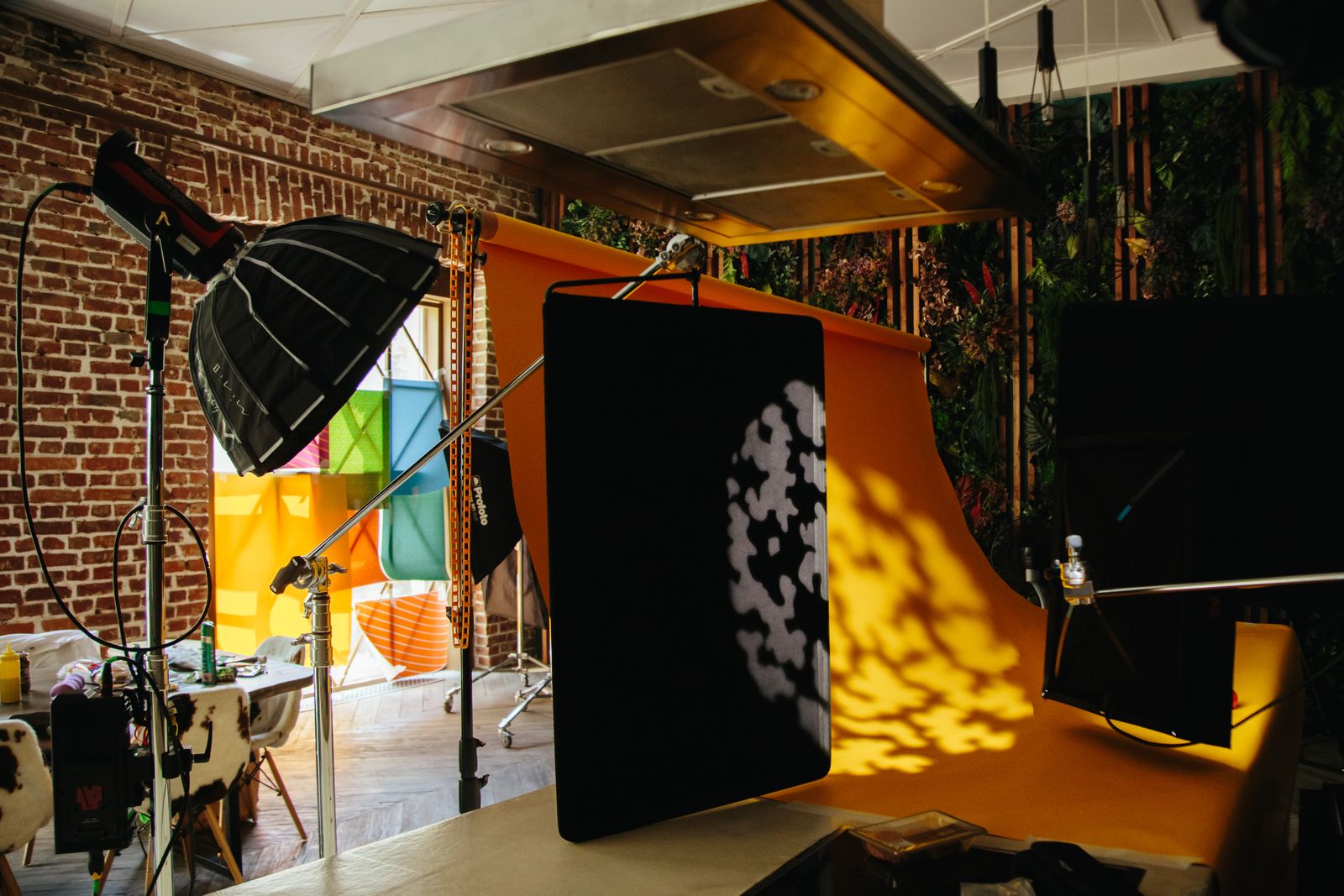
- Studio interior — photo by Ron Lach, https://www.pexels.com/photo/8857043/
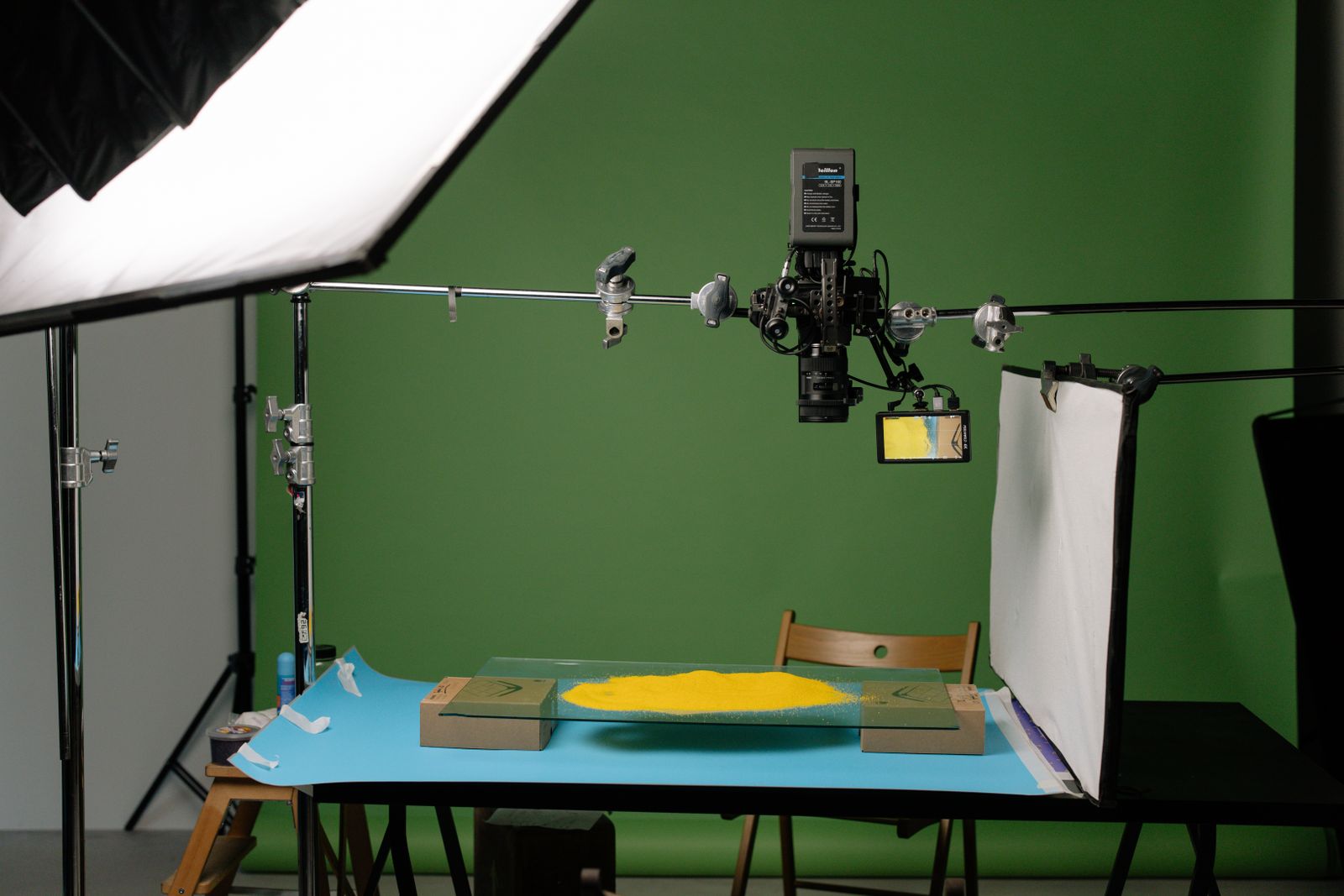
- Studio product setup — photo by cottonbro studio, https://www.pexels.com/photo/5878878/
More guides
- How to Find a Wedding Photographer: The Complete, Honest GuidePhotographers › Wedding Photographers
- How Much Does a Wedding Photographer Cost? Packages DecodedPhotographers › Wedding Photographers
- 10 Questions to Ask a Wedding Photographer Before You BookPhotographers › Wedding Photographers
- Wedding Photography Styles Explained: Documentary, Editorial, Traditional, Fine ArtPhotographers › Wedding Photographers
- Hiring a Wedding Photographer in California: Venue Light, Permits, and Price LevelsPhotographers › Wedding Photographers
- All Guides & ArticlesBrowse the full guides library