Photographers › Studios
Studios Jargon, Translated: The Terms Providers Use and What They Mean for Your Bill
Every trade has a dialect designed, half by accident and half on purpose, to make insiders sound fluent and outsiders feel lucky to be there. Studio photography's dialect has a particular feature worth knowing about before you book: almost every term in it is also a line on your bill. "Day rate" is money. "Usage" is money. "Grip," "cyc," "kill fee," "buyout" — money, money, money and a great deal of money.
I spent my apprenticeship in this business as a commercial photographer's assistant, which is the job of carrying the equipment and quietly explaining the vocabulary to clients in corridors. This guide is that corridor conversation, written down: the terms studios and photographers actually use, what each one means in plain language, and — the part nobody volunteers — what each one does to your bill. This site lists 769 studios, and every one of them speaks this language. After this, so do you.
The money terms: how the bill is built
Day rate. A flat fee for a contracted shoot day, typically eight to ten hours on site. It is the standard pricing unit for commercial and editorial work — and it is a building block, not the whole price. Published commercial day rates run from about $500 to $5,000 depending on the photographer and the market. Bill implication: check what a "day" means in hours, what overtime costs, and whether a half day is really half — in commercial practice a half day commonly bills at about 65 percent of the day rate, not 50.
Creative fee. The photographer's fee for their expertise, time and creative work — often the same number as the day rate, wearing its Sunday name. On a proper estimate it is separated from expenses so you can see what the talent costs and what the production costs. Bill implication: this is the fee that usage is often calculated from, so it matters twice.
Estimate vs. quote. An estimate is a best calculation that may vary within agreed limits if circumstances change — commercial estimates commonly allow final costs to vary by up to about 10 percent without further approval, with larger changes needing a written change order. A quote is a fixed price. Bill implication: if your document says "estimate," your final invoice is legally allowed to be a surprise of a specific size. Ask which you are holding.
Usage / licence fee. The fee for the right to use the images — in specified media, territories and periods. The photographer keeps the copyright; you buy permission, priced by how widely and how long you will use the work. A worked commercial example puts a creative day fee of $1,800 together with a $900 usage licence for paid digital advertising — usage at 50 percent of the creative fee — while a national buyout in the same framework runs to 150 percent. Bill implication: this is the line first-time buyers most often fail to budget, and the one that can double a quote without a single extra photograph being taken.
Buyout. Buying all rights — the broadest, longest usage, priced accordingly, and in the example above the most expensive tier on the page. Bill implication: almost no first-time buyer needs a buyout. Licence the use you actually have — your website, your social channels, your region, two years — and agree a price for extending it later. ASMP's buyer guidance makes the same point: license the rights you plan to use, and price the extra rights at the start rather than renegotiating from weakness later.
Kill fee. A partial fee paid when you cancel a booked shoot inside a contractual window, usually 48 to 72 hours before the day. It compensates the studio for a calendar slot it can no longer rebook. Bill implication: the kill fee is not a penalty for bad behaviour; it is rent on a day you reserved. Know its window and its percentage before you sign, especially if your own plans are shaky.
Retainer. Two meanings, and confusing them is expensive. In portrait and wedding work, a retainer is the booking deposit that holds your date. In commercial studio work, a retainer is a recurring monthly or quarterly fee buying a set number of shoot days or finished images — published studio retainers run from $5,000 to $50,000 a month for brands, in exchange for a 10 to 25 percent discount on per-shoot rates and booking priority. Bill implication: ask which animal you are being offered. A small business does not need the second kind.
The room terms: what you are renting
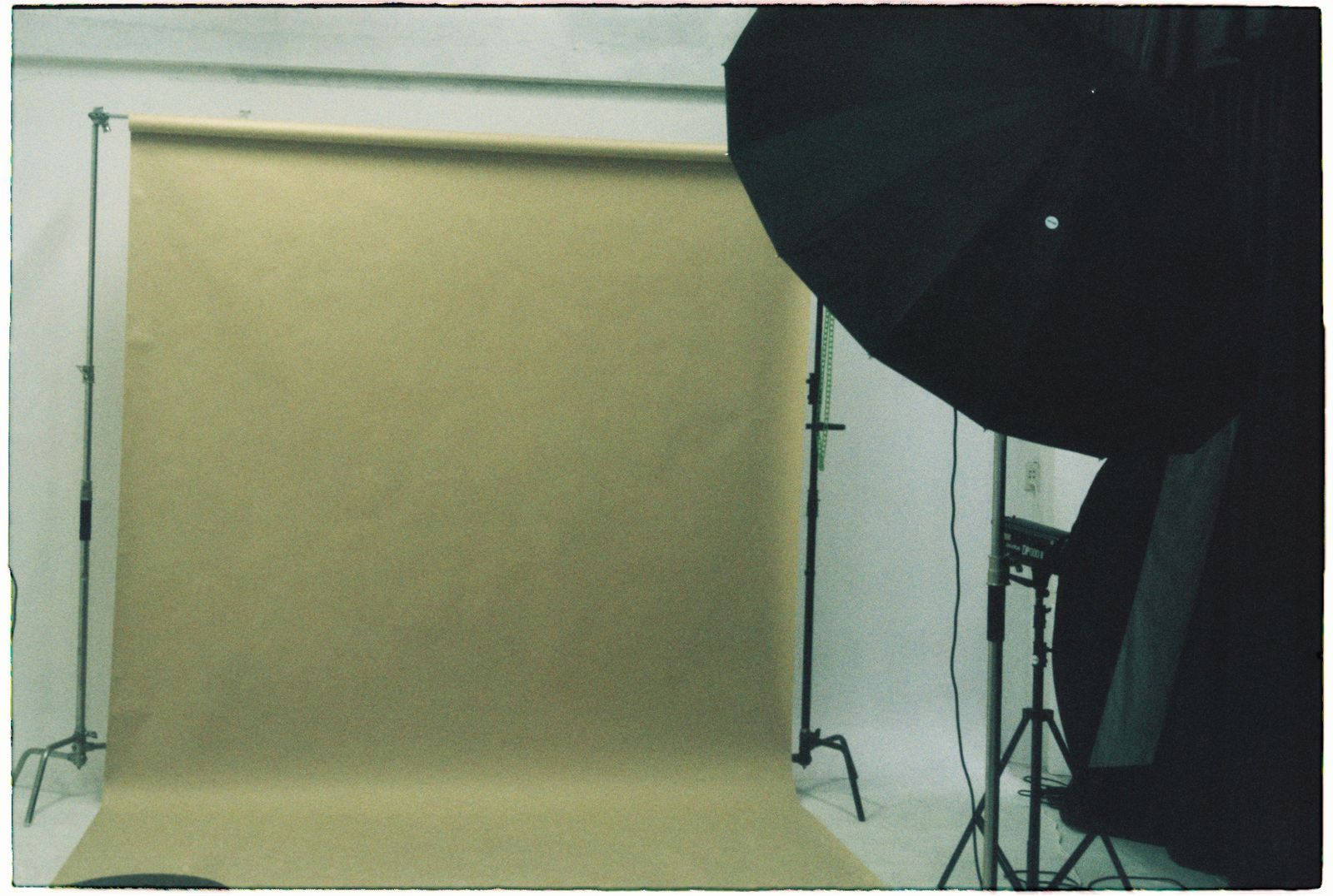
Cyc / cyclorama. A wall that curves seamlessly into the floor, so photographs show no corner and no horizon line — the infinite white background of product and fashion work. Real cycs are a genuine studio asset: published rental studios advertise cyc walls of 20 to 30 feet, pre-lit, as their headline feature. Bill implication: a studio with a cyc can charge more than a bare room, fairly — but if your shoot is portraits against a paper backdrop, you are paying for a feature you will never see in a frame.
Space-only vs. all-in. Rental studios sell the room two ways. Space-only means the room, the cyc and basic facilities, with you bringing crew and gear: published Denver examples run $525 for a five-hour half day and $899 for a ten-hour full day at one studio, and $100 an hour with a two-hour minimum, $475 for a half day and $895 for a full day, at another. All-in means the studio adds the crew and kit — the same Denver studio's all-in packages, with a cinematographer, makeup artist, camera and lighting, run $2,450 for a half day and $3,450 for a full day. Bill implication: "studio: $899" and "studio: $3,450" can be the same room on the same day. The difference is people and equipment, and the quote should say which you are buying.
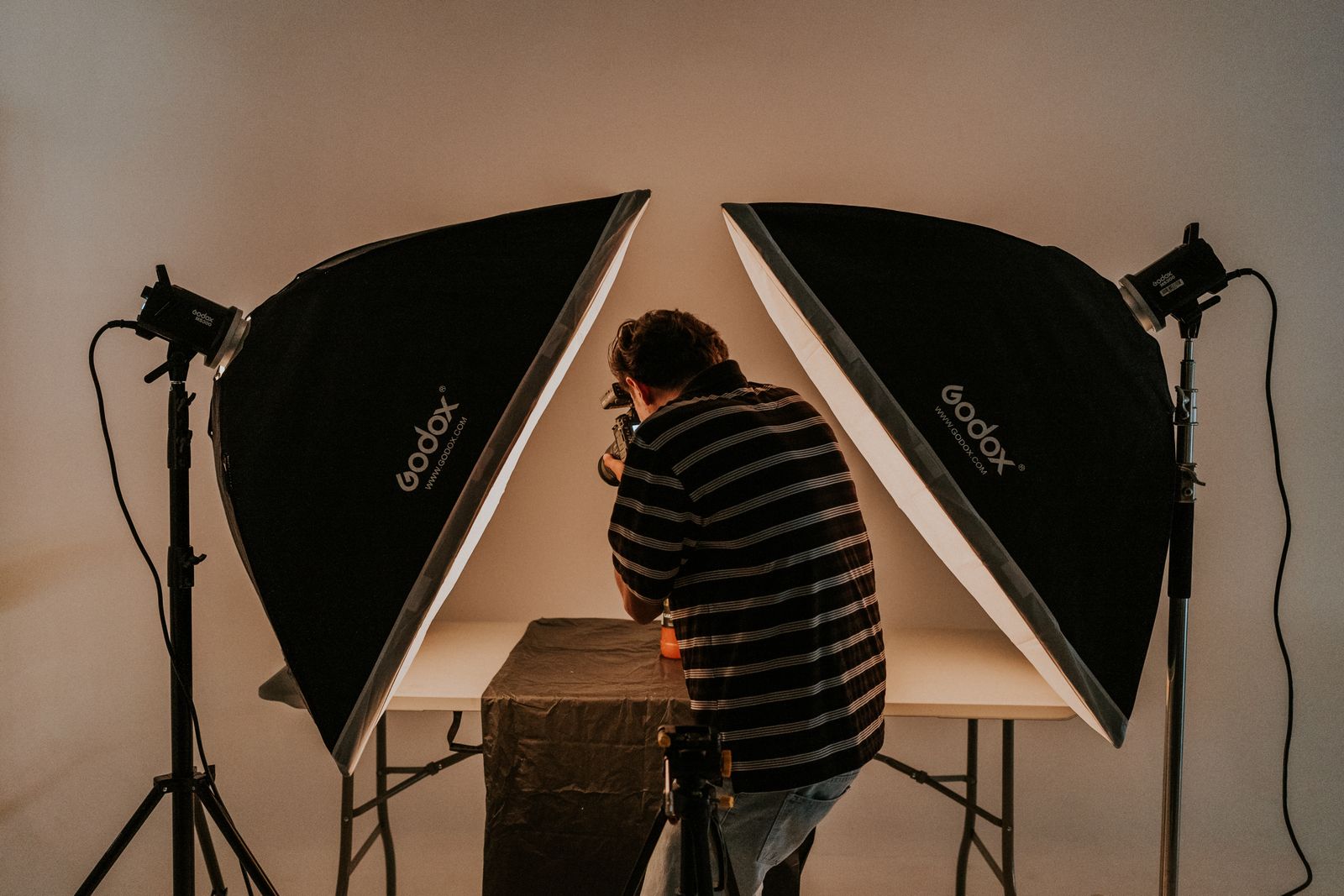
Grip. The hardware that holds everything else up: stands, clamps, sandbags, apple boxes, frames and flags. Better rental studios include a starter lighting kit and a full grip package in the room rate; others rent every stand à la carte, and premium lighting, cameras and lenses are add-ons almost everywhere. Bill implication: "grip included" versus "grip extra" can be several hundred dollars of stands you have never heard of. Ask for the included list in writing.
Backdrop / seamless. A roll of paper — usually white, grey or a colour — hung behind the subject and replaced when marked. Bill implication: paper is a consumable; some studios charge for a fresh roll or for the length used. Small money, but it is the kind of small money that reveals how a studio invoices.
Tethering / digitech. Shooting with the camera wired to a computer, so images appear on a big screen as they are taken. A digital technician — a digitech — runs that station, checks focus and colour, and backs the files up as the day goes. Bill implication: a digitech is a crew fee, and a worth-one on any shoot where reshooting is impossible. On a small shoot, the photographer tethers their own laptop and the line disappears. Know which you are paying for.
The picture terms: what you actually receive
Proofs / contact sheet / gallery. The unedited or lightly edited set you choose from. Selects are the frames you pick. Finals are the chosen frames, fully finished. Bill implication: the number that matters in any package is finals, not the hundreds of proofs. A package advertising "300 images" that delivers 15 retouched finals is a 15-image package.
Retouching vs. editing. Editing, in studio usage, means selecting, colour-correcting and grading — the standard finish. Retouching means changing the image itself: skin work, removing objects, compositing. Retouching is billed per image — a worked commercial example prices high-end retouching at $45 per hero image — and product photography per-image rates generally run from about $25 for simple white-background work to several hundred for lifestyle images. Bill implication: when a quote says "editing included," ask whether retouching is, and at what per-image price your extra finals will be finished.
Packshot. A clean product image on a plain, usually white, background, made for e-commerce listings. The high-volume end of studio work, priced per finished image — often $25 to $150 each at scale. Bill implication: per-image pricing rewards a tight shot list. Every extra angle is a line.
RAW files. The camera's unprocessed originals. Studios almost never include them, and rate cards that offer them price them as a custom extra. Bill implication: asking for RAWs is asking to buy the negatives; expect a fee, a refusal, or both — and ask yourself whether you own the software and skills to do anything with them. Most clients need finals in the sizes their channels use, which any good studio will supply as part of delivery.
Model release. A signed document granting permission to use a person's likeness commercially. Bill implication: for commercial work, releases are not paperwork decoration — an image of an identifiable person without one may be unusable in advertising. Who obtains releases, the studio or you, belongs in the estimate.
A whole invoice, translated
Here is the vocabulary assembled, using a published worked example of a one-day commercial shoot delivering fifteen retouched images:
| The line as written | What it means | The example figure |
|---|---|---|
| Creative fee — 1 day | The photographer's day rate for the shoot day | $1,800 |
| Usage licence — paid digital ads | Permission to use the images in paid digital advertising, priced at 50% of the creative fee | $900 |
| Crew, digitech and styling | The assistant, the tethering technician, hair and makeup and styling | $1,250 |
| Studio and equipment | The room, lighting and camera package for the day | $1,200 |
| Retouching — 15 images | Finishing the fifteen finals, at $45 an image | $675 |
| Total | The all-in price of one day and fifteen licensed, finished images | $5,825 — about $388 per final image |
That last figure — cost per final, licensed image — is the only honest unit for comparing studios. A cheaper day with no usage, no digitech and five finals can cost more per usable photograph than the invoice above.
The five questions that translate any quote
- Is this an estimate or a fixed quote — and if it is an estimate, what variation have I agreed to?
- What usage is included, in which media, for how long — and what does extending it cost?
- How many finals do I receive, and what does retouching cost per extra image?
- What is included in the room — grip, lighting, backdrops — and what is rented on top?
- What are the kill fee, the overtime rate and the half-day rate, exactly?
Ask those five, in writing, and the dialect loses its power. This site lists 769 studios and thousands of photographers who work in them; the ones worth booking will answer all five without changing tone, because a client who understands the bill is the client who pays it without a fight — and books again.
Sources
- Cost Calculator AI, Commercial Photo Shoot Cost Calculator — an ASMP-style worked breakdown: $1,800 creative day fee, $900 usage licence for paid digital advertising at 50 percent of the creative fee, $1,250 crew and styling, $1,200 studio and equipment, $675 retouching for fifteen images, totalling $5,825; half days billed at about 65 percent of the day rate and national buyout usage at about 150 percent.
- HSM University, Estimates, Usage Licensing and Production — an estimate may vary within agreed limits, commonly up to about 10 percent, with larger changes by change order; estimates separate creative fees, usage fees, crew, studio and equipment, and post-production.
- YetOnePro, Photo Studio Pricing: Day Rate vs Per Asset — glossary definitions of day rate, per-image rate, usage rights, retainer, kill fee, model release and packshot; per-shoot day rates of $1,000–$8,000 for commercial work; retainers of $5,000–$50,000 a month with 10–25 percent discounts.
- Skytheory, Denver studio rentals — space-only rental at $525 for a five-hour half day and $899 for a ten-hour full day including a pre-lit cyclorama and light grip; all-in packages with crew and camera at $2,450 and $3,450.
- Photospace Denver, studio rental pricing — $100 an hour with a two-hour minimum, $475 half day and $895 full day; a starter lighting kit and full grip package included, with premium lighting, cameras and lenses as add-ons.
- All The Agencies, Photography Agencies: What They Do, What They Cost — a typical business shoot day at $1,500–$5,000, high-volume product photography priced per finished image at $25–$150, and usage licensing for advertising charged on top of production.
Photographs: empty studio — photo by Kunno Jayson, https://www.pexels.com/photo/6989087/ ; studio shoot — photo by Amar Preciado, https://www.pexels.com/photo/17094508/ ; camera and tripod — photo by Amar Preciado, https://www.pexels.com/photo/8389706/
More guides
- How to Find a Wedding Photographer: The Complete, Honest GuidePhotographers › Wedding Photographers
- How Much Does a Wedding Photographer Cost? Packages DecodedPhotographers › Wedding Photographers
- 10 Questions to Ask a Wedding Photographer Before You BookPhotographers › Wedding Photographers
- Wedding Photography Styles Explained: Documentary, Editorial, Traditional, Fine ArtPhotographers › Wedding Photographers
- Hiring a Wedding Photographer in California: Venue Light, Permits, and Price LevelsPhotographers › Wedding Photographers
- All Guides & ArticlesBrowse the full guides library