Photographers › Photographers Commercial & Industrial
The Photographers Commercial and Industrial Quote, Decoded: Reading an Estimate Like an Insider
The first commercial photography estimate most people see is a small shock: a single day of photography, priced in five figures, laid out in a dozen lines with names like “creative fee,” “usage” and “production.” It looks like padding because it is written in the trade's own shorthand. It usually isn't padding — but parts of it are negotiable, parts are genuinely fixed, and one or two lines, read correctly, tell you whether the photographer has priced the job honestly or lowballed the front to win it and plans to recover on the back.
I managed a portrait studio, where estimates were smaller but built identically, line for line. This site lists 5,719 commercial and industrial photographers; what follows is how to read what they send you — each standard line decoded, with two real published estimate structures to anchor the numbers.
First distinction: estimate, quote, or bid?
The words are used loosely, but the document itself should tell you which you hold. An estimate is an itemised projected price based on stated assumptions — fees firm, some expense lines allowed to move within agreed limits if the job changes. A quote is normally a fixed price for a defined scope. Many commercial estimates state that final costs may vary by a set percentage — often up to 10 percent — without further approval, with larger changes requiring a written change order. Find that clause first. It decides how much trust the total deserves, and a document with no variation clause and no validity period is not finished yet.
The lines, one by one
Creative fee (or photography fee / day rate)
What it means: the photographer's expertise and booked shooting time — the one line that is purely the person. Negotiable? The rate itself, modestly; the number of days, more productively. Signal: a credible day rate in a worked example sits at $1,450 for a small brand shoot; a $10,800 published example carries a $4,000 creative fee for a beauty-brand day. A creative fee far below the market around it is the classic lowball marker — the money has to come from somewhere, and the somewhere is usually the lines below.
Pre-production
What it means: brief review, shot list, scheduling, location planning, casting and prop coordination, call sheets. In the worked example: five hours at $110, $550. Negotiable? Yes, by doing some of it yourself — a client who arrives with a finished shot list and confirmed locations is buying less pre-production. Signal: a quote with no pre-production line for a multi-setup industrial job is not a bargain; it means the planning will happen on your shoot day, at day-rate prices, in front of your staff.
Usage / licence fee
What it means: not the photographs — the permission. Copyright exists automatically from the moment the work is created, and it stays with the photographer; the licence fee buys your specified uses: channels, geography, term, exclusivity, paid media. In the $10,800 example, licensing ten images for three months of digital use is $2,500 — nearly a quarter of the total. Negotiable? This is the most legitimately negotiable line on the page, because it is priced from your actual use. Narrow the term, the territory or the channels and the fee should fall; buy wider rights later and it rises. Signal: a single bundled “fee including usage” with no terms stated is the line to push on — separated usage makes later extensions priceable, bundled usage makes them an argument.
Crew
What it means: assistants, digital technician, producer, stylists, hair and makeup — each a day rate. The worked example prices an assistant at $300 for the day. Negotiable? Crew size, where the job genuinely allows it; crew rates, rarely — they are other people's wages. Signal: on an industrial shoot, a missing digital technician line on a high-volume day means nobody is checking focus and exposure as files land, which you will pay for in post-production instead.
Studio, equipment and rentals
What it means: studio hire ($800 in the published example; a $350 flat studio/kit allowance in the smaller worked example), rented lighting or grip, and often a charge for the photographer's own kit that recovers its cost. Negotiable? The choice of studio and rental list, yes. Signal: equipment lines are where quiet padding lives — a rental charge for gear the photographer owns outright, at full rental rates, deserves one polite question.
Production expenses
What it means: props, set materials, product shipping, location fees, permits, mileage, catering — the job's shopping list. Expenses are normally passed through at cost or with a markup, and a “markup or production fee” line covering the handling and financing of expenses is a standard, legitimate structure — provided it is visible. Negotiable? The markup percentage and the approval threshold above which expenses need your sign-off. Signal: expenses bundled into one unexplained lump with no receipts promised is the single most common place a low creative fee gets recovered.
Post-production
What it means: ingest, backup, culling, colour work, retouching, exports and delivery formatting — priced by the hour, the day or the image ($500 for ten images in the published example). Negotiable? The number of finals and the depth of retouching; that is the real lever. Signal: post priced at zero on a job needing product retouching means the files you receive are the files as shot, whether or not anyone said so.
Contingency and the terms block
What it means: the stated buffer for weather, missing samples and extra review rounds, plus the terms: overtime, cancellation, payment schedule, estimate validity. Negotiable? The change-order threshold and overtime trigger. Signal: no contingency and no terms on a factory shoot — where a line stoppage or a locked gate is a normal Tuesday — means every surprise becomes a dispute.
The lines that only appear on industrial quotes — and why they're real
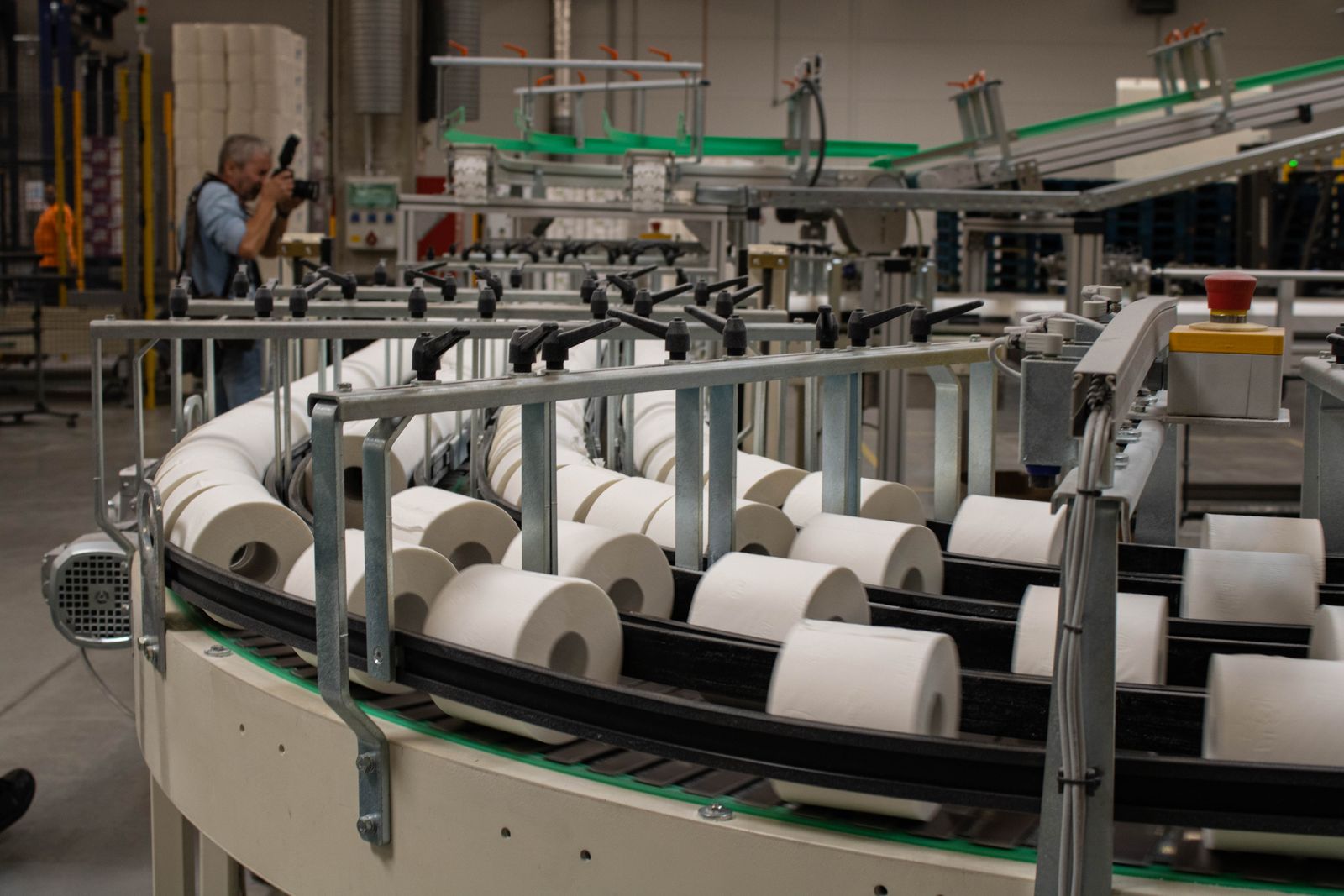
Commercial studio work and industrial site work share an anatomy, but a factory, plant or construction quote carries extra lines that studio clients never see, and first-time industrial buyers often mistake them for invention. They are not.
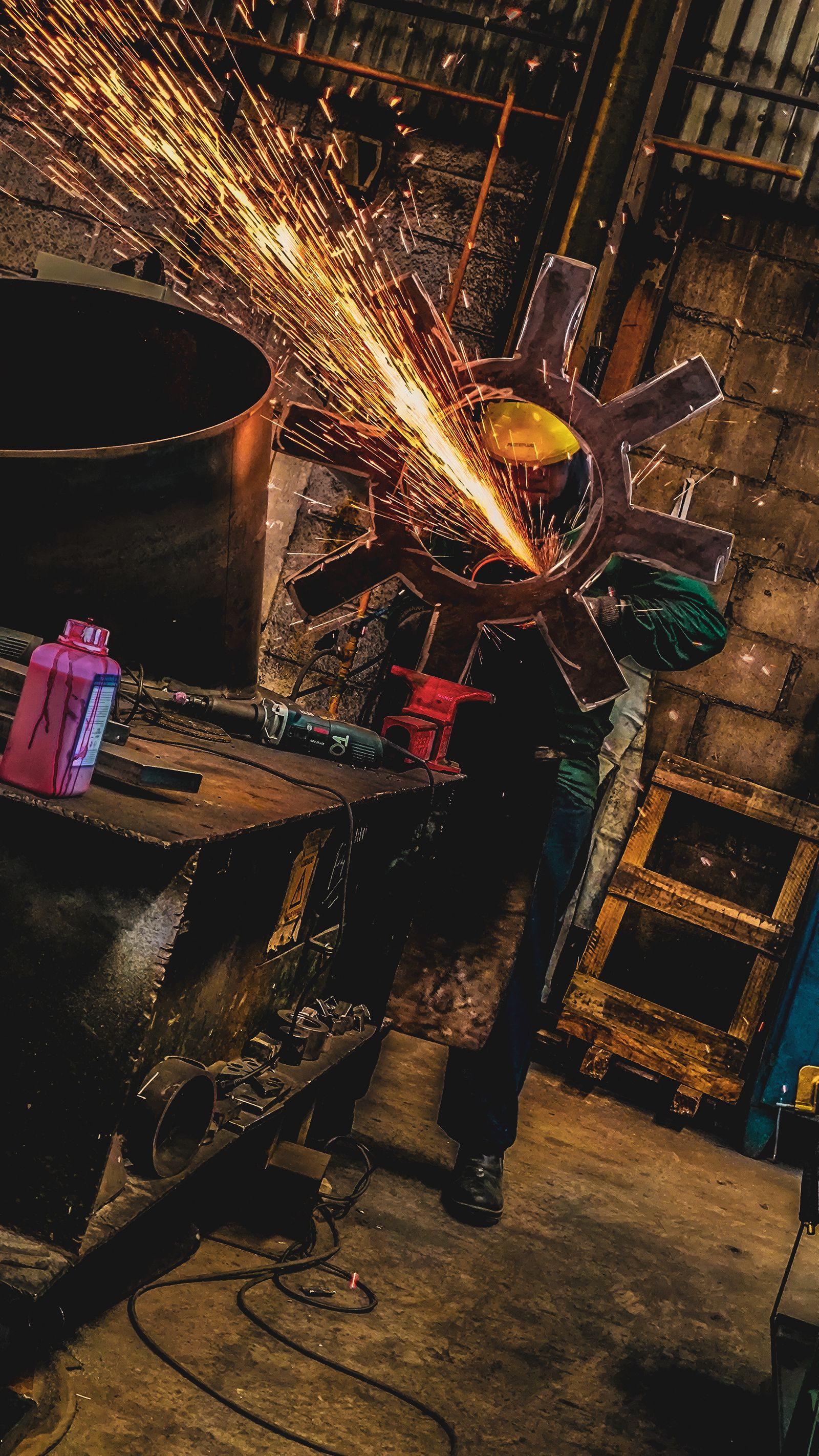
- Site access and induction time. Crew entering a working plant commonly complete a safety induction before anyone lifts a camera. If the estimate bills a half-day for access, induction and escort arrangements, that is the site's rule priced honestly, not the photographer's margin.
- Standby and downtime. A production line that stops for its own reasons does not stop the photographer's clock. Estimates for site work often state a standby rate or fold expected waiting into the day structure. Ask which — a quote silent on downtime will not stay silent when the line halts for two hours.
- Escorts, permits and compliance. Some sites require escorted access throughout, permits for photography, or restrictions on what may be photographed at all. The estimate should name who arranges and who pays for each; on industrial jobs the client's own staff time is frequently the scarcest production resource, and a good estimate makes that visible instead of discovering it at the gate.
- Safety equipment and method statements. PPE for the crew, and on larger sites a written method statement or risk assessment, appear as production items or pre-production hours. Their absence on a heavy-industry quote is a more worrying signal than their presence: it suggests the photographer has not shot on a site like yours before.
- Weather and reschedule terms for exterior plant work. Aerials, exteriors and yard photography carry weather clauses that studio work never needs — what counts as a weather call, who makes it, and what the remount costs.
Read these lines as competence signals. An industrial estimate that looks exactly like a studio estimate, with the site's name swapped in, is the one to interrogate hardest.
Two real estimates, side by side
| Line | Small brand day (worked example) | Beauty brand day (published example) |
|---|---|---|
| Pre-production | $550 (5 hrs × $110) | $1,000 (incl. creative direction) |
| Creative fee | $1,450 (1 day) | $4,000 (1 day) |
| Assistant / talent & crew | $300 assistant | $2,000 talent, hair/makeup, assistant |
| Studio / kit | $350 allowance | $800 studio rental |
| Usage / licensing | Priced by channels, term, territory | $2,500 (10 images, 3 months digital) |
| Retouching | Hourly post-production | $500 (10 images) |
| Total | Component-built, mid four figures typical | $10,800 |
The lesson of the pair: the totals differ by brand scale and usage, but the anatomy is identical. Any quote you receive that skips a whole row of this table has not eliminated that cost — it has hidden it, deferred it, or never intended to do that work.
How an insider negotiates one of these
In order of leverage: usage first (price your real use, not a fantasy buyout), deliverables second (fewer finals, less retouching), pre-production third (bring the shot list and the access arrangements yourself — on industrial sites, your escort, permits and scheduling are contributions money can't easily buy), schedule fourth (a photographer with a gap in the diary prices a flexible date differently). Last and least: the day rate itself. Squeezing the creative fee while leaving usage wide open is negotiating the smallest line and donating on the largest. And whatever you agree, agree the variation clause and the expense-approval threshold in writing — insiders know the estimate is not the price of the photographs. It is the constitution for everything that happens when the job changes, and on commercial and industrial work, the job always changes.
Sources
- Roadbase, How to Price Commercial Photography — establishes the quote formula (pre-production + production + post-production + usage/licence + expenses + contingency) and a worked small-brand estimate: pre-production 5 hours at $110 ($550), production day $1,450, assistant $300, and a $350 studio/kit allowance.
- Sunroom School, How to Price Commercial Photography Jobs — establishes a published example estimate totalling $10,800: creative fee $4,000, licensing $2,500 for 10 images and 3 months of digital use, pre-production/creative direction $1,000, studio rental $800, talent $2,000 and retouching $500.
- HSM University, Estimates, Usage Licensing and Production — establishes that commercial estimates commonly allow final costs to vary by up to 10 percent without further approval with larger changes by change order, that estimates separate creative, usage, crew, studio, production and post-production lines, and that expenses are passed through at cost or with a markup.
- Photography Icon, How to Write a Photography Estimate or Quote — establishes the distinction between an estimate (itemised, assumption-based) and a quote (fixed price for a defined scope), and the standard sections of a commercial estimate including assumptions and validity.
Photo by Dávid Lehoczki, https://www.pexels.com/photo/production-line-of-toilet-paper-11515346/ Photo by Felipe Silva, https://www.pexels.com/photo/welder-in-factory-27102111/
More guides
- How to Find a Wedding Photographer: The Complete, Honest GuidePhotographers › Wedding Photographers
- How Much Does a Wedding Photographer Cost? Packages DecodedPhotographers › Wedding Photographers
- 10 Questions to Ask a Wedding Photographer Before You BookPhotographers › Wedding Photographers
- Wedding Photography Styles Explained: Documentary, Editorial, Traditional, Fine ArtPhotographers › Wedding Photographers
- Hiring a Wedding Photographer in California: Venue Light, Permits, and Price LevelsPhotographers › Wedding Photographers
- All Guides & ArticlesBrowse the full guides library