Photographers › Sports Photographers
The True Cost of Sports Photography, Line by Line: A Deep-Dive Budget Breakdown
Sports photography quotes confuse first-time buyers more than almost any other kind, because the visible event is so short. A game lasts two hours. The invoice says $300. What, exactly, is the other money for? I spent seasons assisting a commercial photographer, including sideline work, and the honest answer is that the game is the smallest line in the budget. The real cost of sports photography is spread across gear that wears out, hours that happen after midnight, and a pricing model — unique to this specialty — in which the person who books the photographer is often not the person who pays.
This breakdown takes a single game apart line by line, prices each piece against what working sports photographers actually charge in the U.S. right now, and shows you where padding hides and where a suspiciously cheap quote is cutting something you will miss.
The two business models (read this before any number)
Sports photography runs on two different economies, and quotes from each look insane to buyers from the other.
Model one: the client pays. A school, club, league, or family hires the photographer for a fee, and the images are included. Working rates for a school or club paying directly: a single game with 40 to 80 edited images runs $150 to $300; tournament coverage prices hourly at $100 to $200 with a four-hour minimum; a season contract covering home games for one sport runs $1,500 to $5,000. Individual photographers' published rates land in the same band — $200 for one athlete for one game at one Portland studio, $300 per team per game at a Texas studio, $350 for a full team game elsewhere, half-day tournaments at $450 and full days at $800.
Model two: the parents pay. The photographer charges the league little or nothing to shoot, then sells images to families: roughly $10 to $15 per single download, $40 to $75 for every photo of one player, season passes around $200 to $300 per athlete for four to six games, and picture-day packages at $20 to $60 per player, with top packages passing $80 once prints, trading cards, and composites are added. In this model the photographer's income is a gamble on sales, which is why the per-image prices look high: most frames are never bought, and the bought ones carry the whole game.
Neither model is a scam. But compare quotes only within a model, and if a photographer offers you model-two prices with a model-one fee on top, ask what the fee buys that the downloads don't.
The line-by-line budget for one game
Take a typical paid booking — a high-school or club game, one photographer, full team coverage, delivered as an edited online gallery. Here is what the $250 to $350 most buyers pay actually contains:
| Line | What it covers | Typical share of a $300 game fee |
|---|---|---|
| Game time | 2–3 hours on site, including warm-ups; a football game is 2.5–3 hours door to door on the field | The visible third — roughly $100–$120 of the fee |
| Travel & setup | Driving, arriving early, checking light and positions; local travel usually included, extended travel +$50 or more | ~$25–$40 |
| Culling & editing | The invisible bulk: one photographer breaks it down as ~1 hr game, ~1 hr travel/setup, 2–3 hrs selecting and editing — a 1-hour game is 4–5 hours of work | ~$100–$130 |
| Gear & its wear | Two pro bodies, fast telephoto glass, cards, monopod — amortized per game (see below) | ~$30–$50 |
| Delivery & overhead | Gallery platform, storage, insurance, software, taxes, admin, booking time | ~$20–$40 |
The editing line deserves emphasis because it is where first-time buyers most often assume padding. A single match leaves a sports photographer with 2,000 to 4,000 frames — one working shooter cites 500 to 1,000-plus frames per game even on a disciplined trigger finger — and every one of them must be ingested, culled, corrected, cropped, captioned or sorted, and uploaded before a single parent sees a picture. When a quote itemizes "post-production," it is not a euphemism. It is half the job.
The gear line, honestly amortized
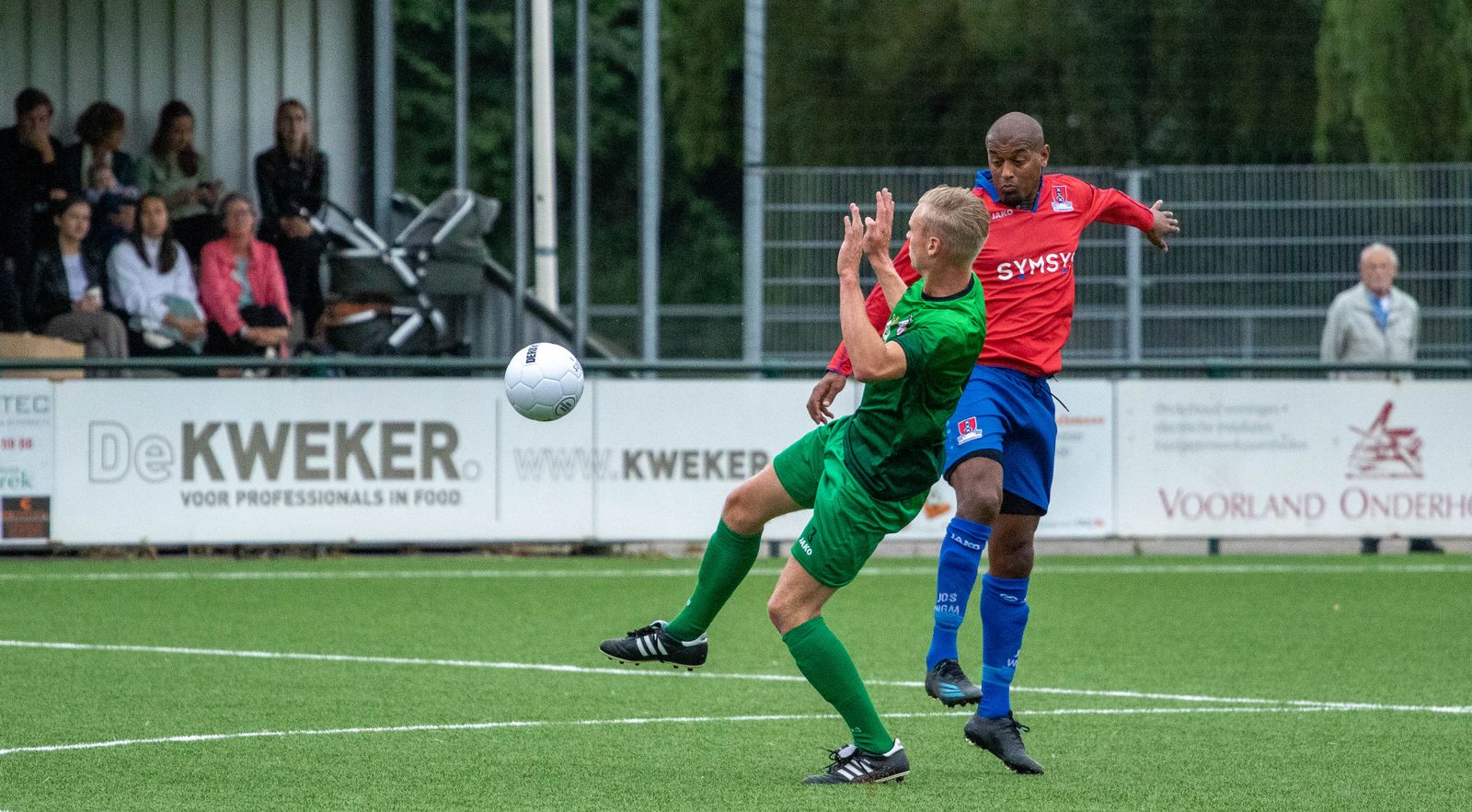
No specialty punishes cheap equipment like this one, and the capital sitting on the sideline explains a floor under everyone's prices. A serious action kit — a fast mirrorless body around $3,300 and a 70–200mm f/2.8 lens around $2,800 — totals roughly $6,000 to $7,300. The full professional setup used by agency sideline photographers, with a flagship body near $6,000 and a 400mm f/2.8 prime at about $12,000, runs $20,000 to $24,000 before bags, monopods, and cards. Even the honest minimum for youth work — a capable used body and a consumer telephoto zoom — starts around $1,100 to $1,350.
That money does not sit still. Shutters wear, sensors get cleaned, lenses take sideline impacts, and the kit must be insured and eventually replaced. Spread a $6,500 mid-range kit across, say, 150 games over its working life and gear alone is more than $40 a game before a single repair — which is why the gear line above is real, and why a $50-per-game quote from someone shooting on professional glass is either a hobbyist subsidizing your team or a model-two photographer expecting to earn it back in downloads. Both exist. Know which one you hired.
The lines that move: second shooters, access, and light
A second photographer doubles field coverage — both ends of the pitch, action plus bench reactions — and adds a second day-rate plus a second editing load. It is the single most legitimate big add-on, and the one to buy for tournaments and championships rather than ordinary league games.
Tournaments change the structure from per-game to per-hour or per-day for a reason: a swim meet or a bracket weekend can run ten hours, and per-game pricing would either bankrupt the photographer or the organizer. Published anchors: $450 for up to four hours, $800 for up to eight, tournament weekends from $600. Multi-game discounts are equally standard — second games at the same event commonly price below the first (one softball specialist: $250 for one game, $375 for two, $125 per additional same-day game) because travel and setup are paid once.
Night and indoor games cost more to shoot well, even when the fee doesn't say so. Indoor settings in a typical high-school gym land around f/2.8 at ISO 3200–6400 — which is why the fast f/2.8 glass in the gear line is not a luxury. A photographer quoting night games on a slow variable-aperture zoom is not cheaper; they are delivering noisier pictures, and the discount is in the product.
Prints and products are their own economy: print packages through galleries starting around $80 at one studio, trading-card and composite add-ons from $40, team card sets at $250. These are optional, high-margin, and — unlike the coverage fee — entirely safe to decline.
League commissions. When a photographer pays the league for access — a going rate of 10 to 20 percent of sales, or a flat $2 to $5 per package sold — that cost is embedded in the prices parents see. It is a normal cost of the picture-day business, but it is a line worth knowing exists when a league tells you its photographer is "free."
Where padding hides, and where cheap quotes cut
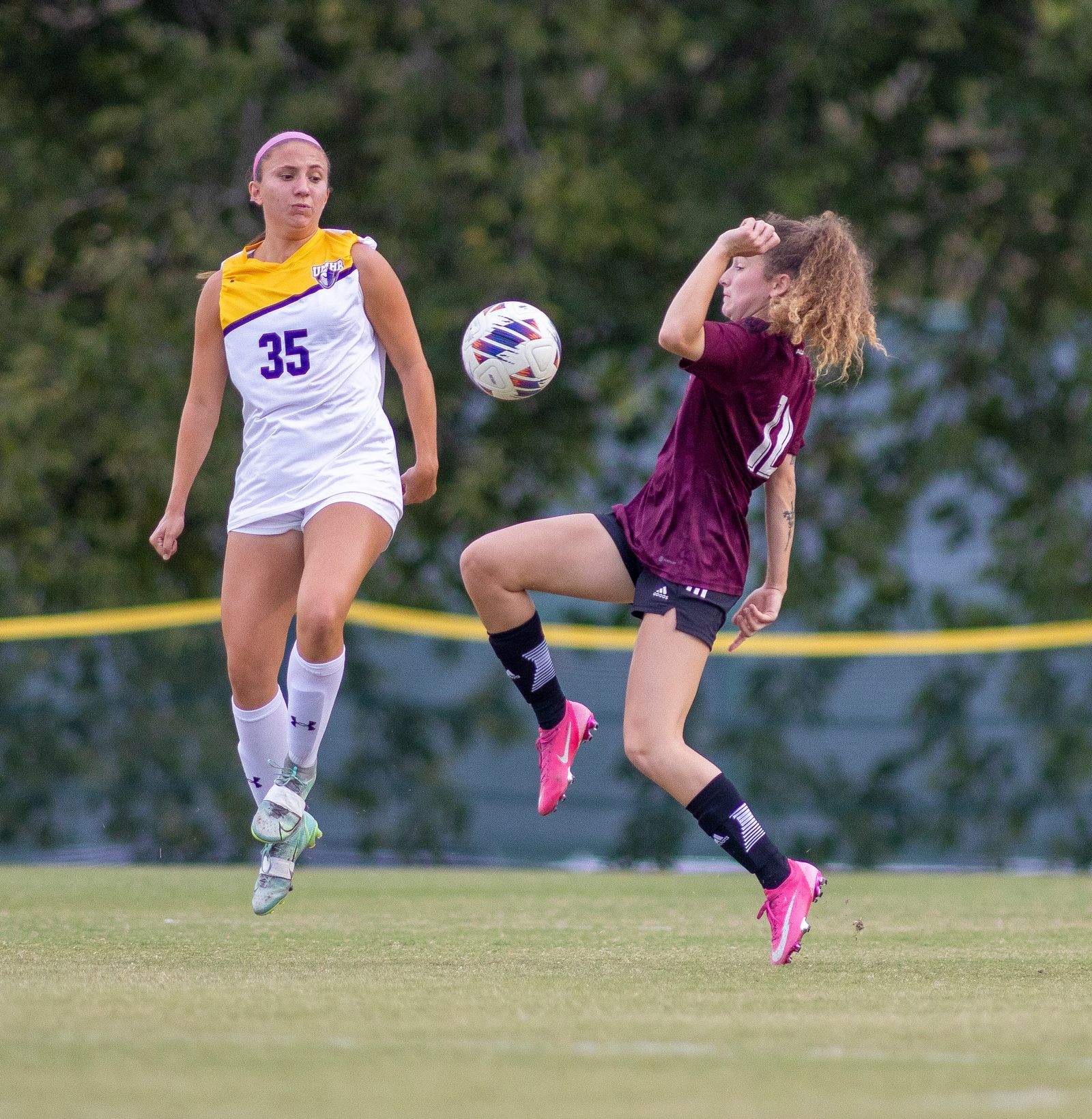
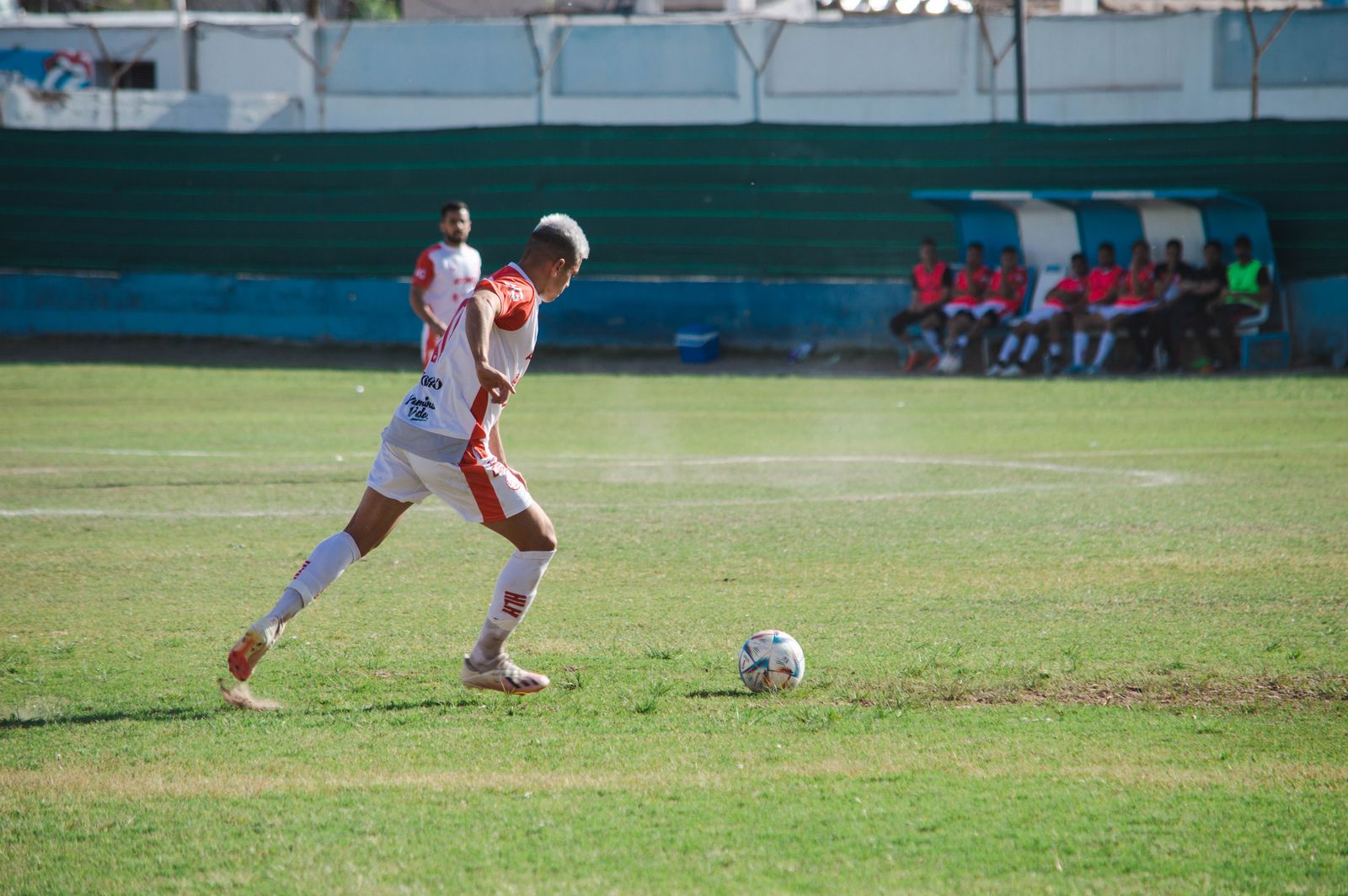
Padding in sports quotes is rarely a fake line; it is a vague one. Watch for: "delivery fees" on top of a coverage fee that already implies a gallery; per-image charges inside a paid booking that was sold as all-inclusive; travel billed beyond the stated radius without the radius ever being stated (published norms: local travel included to about 30 minutes, +$50 for the next half hour, +$100 beyond); and picture-day packages padded with products — the $20 base package of a 5x7, wallets, and a team file becomes $60-plus by stacking trading cards and composites most families didn't ask for.
Cheap quotes cut in predictable places too. Fewer edited images: compare the deliverable count, which published offers put anywhere from 15 images for a single-athlete focus to 100-plus edited photos per game for team coverage. Slower delivery: 48-to-72-hour gallery turnaround is a published standard at several studios; a two-week wait is a discount you didn't agree to. One body and no backup: at a once-only event — a senior night, a championship — gear failure with no second body is not a refund situation, it is a lost record. And no insurance or league clearance, which matters the first time anything goes wrong on a sideline full of children.
What a fair quote looks like
A fair sports quote names the model (fee-included or sales-based), the coverage (which games, how long, how many photographers), the deliverable (how many edited images, in what gallery, by when), the travel radius, and the add-ons as options rather than ambushes. Season structures should reward commitment the way the market does — published per-game prices fall as bundles grow, from $200 a game individually to $160–$175 within multi-game packages at one studio, and season contracts of $1,500 to $5,000 replace per-game math entirely for schools.
This site's directory counts 183 listings under Sports Photographers — a thin specialty compared with the thousands of generalists, which is itself pricing information: there are not many people with the glass, the frame-rate bodies, and the culling stamina to do this well, and their calendars fill in season. Book against the breakdown above and you will be able to see, line by line, what your money is doing on the sideline. That is all a fair price ever is.
Sources
- Xposure, "How Much to Charge for Sports Photography" (game rates $150–$300, tournament $100–$200/hr, season contracts $1,500–$5,000, downloads $10–$15, per-player sets $40–$75, picture-day packages $20–$60+, league commissions 10–20%) — https://xposureapp.net/blog/how-much-to-charge-for-sports-photography
- SkyLens Imagery, Temple, TX (team coverage $300/game, individual action package $50/athlete, season pass $200–$300) — https://skylensimagery.studio/
- Peak Play Photography (one-hour game = 4–5 hours of work breakdown; $300/game, +$50 extended travel) — https://www.peakplayphotography.com/
- Sideline Studio PDX, Portland (individual $200–$400, team $350–$575, media day $15/athlete) — https://www.sidelinestudiopdx.com/portland-sports-photographer
- Ryan Garrity Photography, sports packages (game day $200, team game $350, half-day tournament $450, full-day $800, travel tiers) — https://www.ryangarrityphotography.com/packages
- Fastpitch Frames, pricing (one game $250, two games $375, additional $125; individual coverage $65–$100/player) — https://fastpitchframes.com/pricing/
- Major Hobbies, "How to Start Sports Photography" (kit budgets: starter ~$1,100–$1,350, serious ~$5,950–$7,280, professional ~$19,930–$24,365) — https://www.majorhobbies.com/hobby/sports-photography
- PicStack, "Sports Photography: Settings, Gear and Gallery Delivery" (2,000–4,000 frames per match; lens prices; gym settings f/2.8, ISO 3200–6400) — https://picstack.com/blog/sports-photography
- Photos: photo by Mario Wormhoudt, https://www.pexels.com/photo/9402855/ ; photo by David Morris, https://www.pexels.com/photo/14316911/ ; photo by Franco Monsalvo, https://www.pexels.com/photo/14030573/
More guides
- How to Find a Wedding Photographer: The Complete, Honest GuidePhotographers › Wedding Photographers
- How Much Does a Wedding Photographer Cost? Packages DecodedPhotographers › Wedding Photographers
- 10 Questions to Ask a Wedding Photographer Before You BookPhotographers › Wedding Photographers
- Wedding Photography Styles Explained: Documentary, Editorial, Traditional, Fine ArtPhotographers › Wedding Photographers
- Hiring a Wedding Photographer in California: Venue Light, Permits, and Price LevelsPhotographers › Wedding Photographers
- All Guides & ArticlesBrowse the full guides library