Photographers › Wedding Photographers
Wedding Photographers for Beginners: The Mistakes First-Timers Make, and How to Dodge Them
Nobody is born knowing how to hire a wedding photographer, and the trade does not make it easy to learn. The prices are quoted in packages that share no vocabulary, the portfolios are everyone's best thirty frames, and the mistakes are all of the same kind: things that are obvious after the wedding and invisible before it. I spent my early working life assisting commercial and wedding photographers, standing close enough to see which clients got the day they paid for and which ones quietly didn't. First-timers make the same seven mistakes, in roughly the same order. Every one of them is cheap to dodge in advance and expensive or impossible to fix afterward. Here they are.
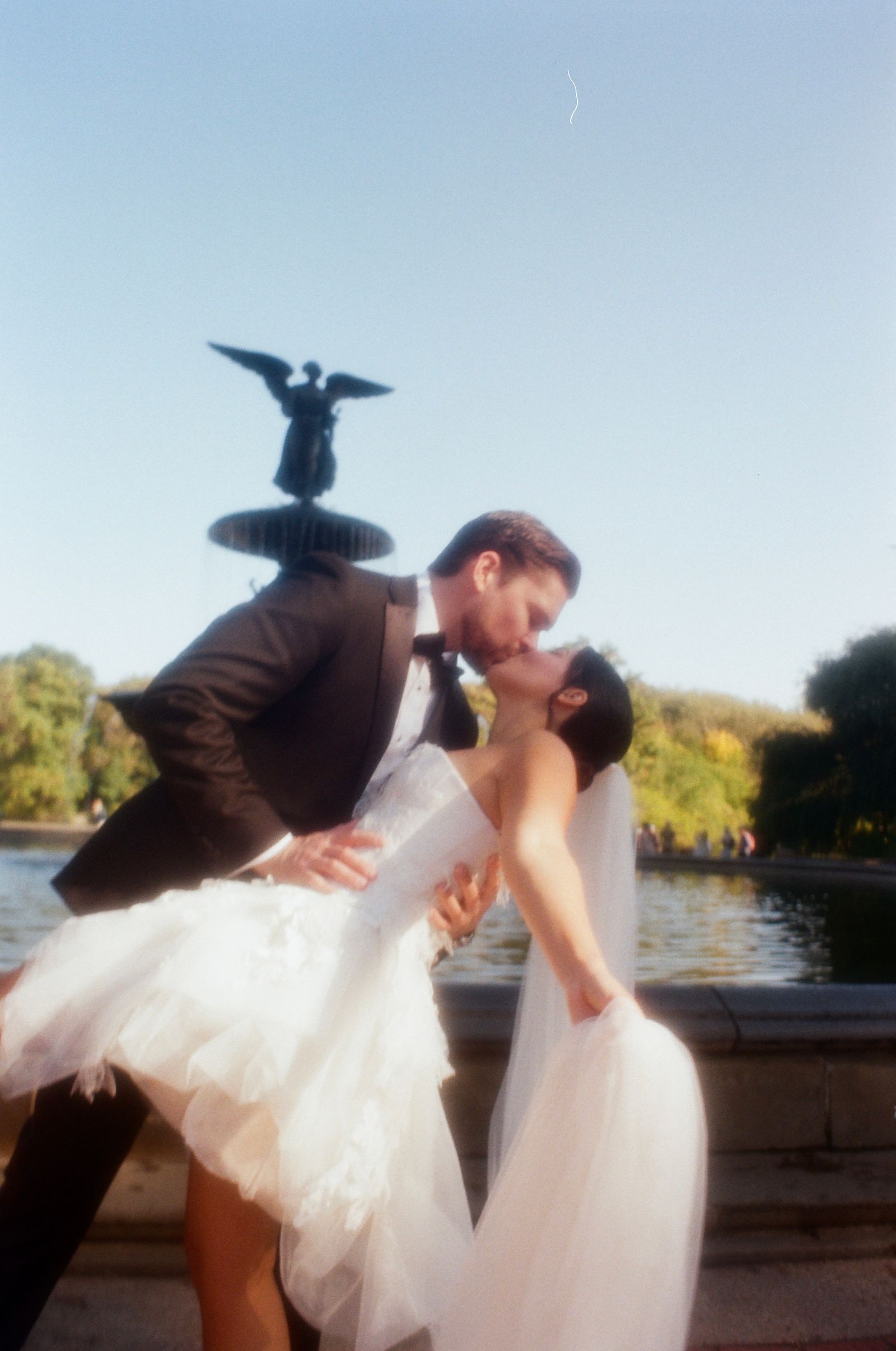
Mistake 1: Shopping by "starting at" prices
The first number a beginner sees is the smallest number a photographer publishes, and it is close to meaningless. "Starting at $1,500" buys fewer hours, one photographer, and no album; the package the same studio sells most couples costs twice that. The honest anchor is what couples actually pay: The Knot's 2026 Real Weddings Study, surveying 10,474 couples married in 2025, puts the average spend on a wedding photographer at $3,000, with the middle half of couples between about $1,500 and $4,700 — a median of $2,800. Zola's couples average higher, about $4,400, because its marketplace skews toward full-day packages. Guest count moves the number too: couples with 50 or fewer guests averaged $2,000, while weddings over 100 guests averaged $3,500.
The dodge: compare packages, not headlines, and compare them on the same five lines — hours of coverage, number of photographers, what's delivered (edited files? how many? at what resolution?), an album or not, and the delivery time. Two quotes that match on those five lines can be compared on price. Two that don't are different products wearing similar names.
Mistake 2: Judging by the highlight reel
Every portfolio is a highlight reel; that is what a portfolio is. The beginner's error is treating thirty perfect frames as evidence about the other six hundred. Wedding days are mostly not golden-hour portraits. They are a dim getting-ready room, a ceremony in mixed light, a family formals session run against the clock, and a reception in near-darkness — and a photographer can be brilliant at the first and ordinary at the rest. Working assistants know the test because we watched smart clients use it: ask for one complete wedding gallery, beginning to end, ideally at a venue like yours, and scroll all of it. You are looking for consistency — skin tones that stay true from noon to midnight, reception shots that are sharp rather than lucky, and the fortieth family formal exposed as carefully as the first. This site lists 564 wedding photographers; the full-gallery test is how a beginner cuts that list to three in an evening, because most portfolios cannot survive it and the good ones visibly can.
Mistake 3: Booking the hours wrong
Beginners count the ceremony and the party and forget the ends of the day. Coverage that starts at the ceremony misses the getting-ready photographs most couples end up treasuring; coverage that ends at the cake misses the send-off; and the arithmetic in between is unforgiving, because portraits, formals, and travel between venues all eat the same hours. The standard full day in the market data is eight hours — the $3,000 average works out to roughly $375 an hour across it — and the couples who come up short are usually the ones who bought six to save money and spent the reception watching the clock.
The dodge: build the timeline backwards from the last photograph you want, with your photographer, before choosing the package. Photographers do this fluently; it is the single most valuable conversation in the whole booking, and it is free. If the timeline says nine hours, buy nine. An extra hour bought in advance is a modest line item; an extra hour negotiated at 9 p.m. on the night is priced like an emergency, because it is one.
Mistake 4: Skipping the second photographer for the wrong reasons — and buying one for the wrong reasons
A second photographer is the most misunderstood line in the package. Beginners buy one because "two must be better," or skip one because "we're not fancy." The actual case is mechanical. One photographer cannot be in two places: both partners getting ready in separate locations, the walk down the aisle and the face watching it, the ceremony and the guests' reactions. One working photographer's guidance puts the threshold plainly — a second shooter earns their fee at weddings over roughly 120 guests, in venues where the photographer's movement is restricted, or whenever the couple prepares in completely separate places — and is often unnecessary money for a small wedding or elopement. There is also an insurance argument nobody mentions at the consultation: a contracted second shooter is a professional already on site if the lead photographer has a genuine emergency on the day, a point one photographer makes explicitly in her own package descriptions. As an add-on, second shooters commonly run $500 to $1,200.
The dodge: decide from your floor plan and your guest count, not from the package tiers. Separate preparations, 120-plus guests, or a venue that pins the photographer in place: buy the second. Small, single-location, under 80 guests: spend the money on hours or the album instead.
Mistake 5: Treating the engagement session as a frill
Beginners cut the engagement session first because it looks like the optional extra. From the assistant's side of the camera, it is the rehearsal the wedding day doesn't get. It is where the photographer learns how you two actually behave in front of a lens — who blinks, who needs movement prompts, which side is whose good side — and where you learn whether being photographed by this person feels easy or awful, while the stakes are a Tuesday evening rather than your wedding. Photographers who include it say the same thing in their own words: by the wedding day, the awkward first session is already over. It also produces the save-the-date and display photographs, which is why it so often appears inside packages — standalone, sessions commonly run $400 to $800, and are frequently included at the higher tiers.
The dodge: if the package includes it, use it, and schedule it early enough to act on what you learn — including, in the worst case, changing photographers while changing is still possible. If it isn't included, price it as insurance, not decoration.
Mistake 6: Never asking how the files are protected, or when they arrive
Ask a room of newlyweds what they wish they'd asked and this is the answer that surfaces once the confetti settles. Beginners ask about style and price; they do not ask about the two cameras with two card slots each, recording every image twice at the moment of capture — the standard practice you'll hear described by careful photographers, who back up again to drives and cloud before the cards are ever cleared. And they do not pin down delivery: published turnaround promises in the market range from sneak peeks within a day or two (one photographer sends 10–15 the day after) and full galleries in 4–6 weeks, to highlights in a week and the full gallery at 8–10 weeks, with rush delivery sold as an extra. None of those is wrong. What is wrong is discovering your photographer's number in week nine of an anxious wait.
The dodge: two sentences in the contract — the delivery deadline for the full gallery, and the file-safety practice (dual-card recording and backup before delivery). A professional recites both without pausing. A beginner photographer may do neither, and your wedding is not the day to fund the lesson.
Mistake 7: Signing a contract you haven't read for the clauses that matter
The beginner reads the price and the date. The clauses that actually govern a wedding are the others: who exactly is photographing (a named person, or the studio's assignee?), what happens on cancellation or postponement by either side, whether the retainer is refundable and until when — one transparent example in the market takes 50 percent at booking, refundable up to 90 days out — what the overtime rate is, who owns the copyright and what your print and sharing rights are, and what happens if the photographer cannot appear. None of this requires a lawyer. It requires reading the document as if the wedding depended on it, which, photographically, it does.
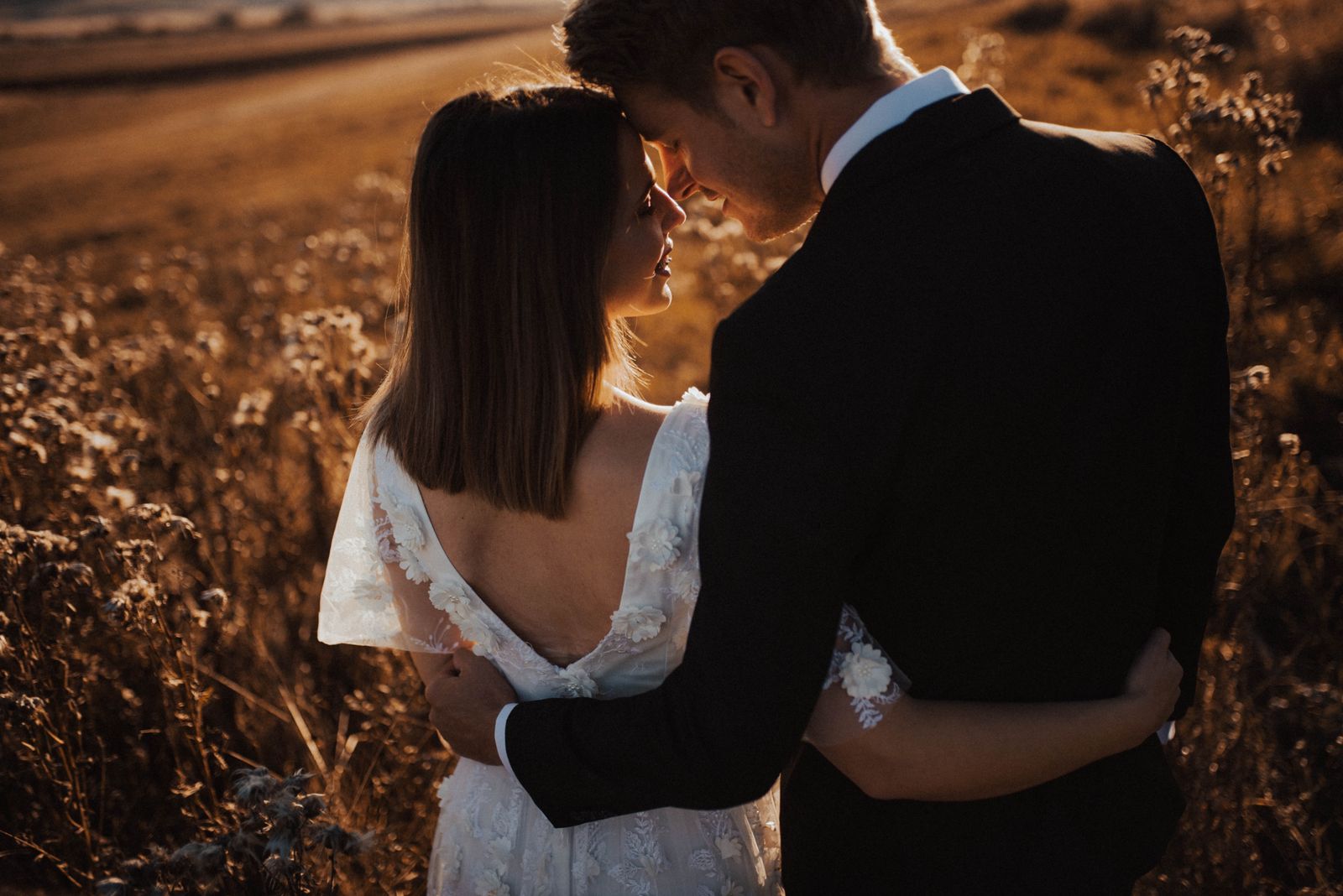
The beginner's shortcut
If seven mistakes feel like a lot, compress them into the order of operations that dodges all of them. Set the budget from what couples actually pay, not from "starting at" prices. Shortlist by full galleries, not highlight reels. Build the timeline with the photographer before choosing hours. Decide the second photographer from the floor plan. Take the engagement session seriously. Put delivery and file-safety in writing. Read the contract's unglamorous clauses. Do those things and you have done, as a first-timer, essentially what the professionals on my side of the camera watched the happiest clients do — which was never to spend the most. It was to ask, in advance, the questions the day itself would otherwise ask for them.
Sources
- The Knot, 2026 Real Weddings Study, as reported by BBB, Paperlust, and The Perfect Wedding — establishes the $3,000 average spend on a wedding photographer (median $2,800; middle half about $1,500–$4,700), the $34,200 average total wedding cost, and booking timelines of 6–9 months for photographers after the venue.
- GetCostPrice, Wedding Photographer Cost 2027, drawing on The Knot's study — establishes spend by guest count (50 or fewer guests averaging $2,000; over 100 guests averaging $3,500) and the quartile bands.
- NR Tech Studio, Wedding Photographer Cost Calculator, anchored to The Knot and Zola — establishes Zola's higher $4,400 average and the mid-range eight-hour package band of about $2,650–$3,350.
- Mateen Taba Photography, published collections and FAQ — establishes the second-photographer thresholds (over about 120 guests, restricted-movement venues, separate preparation locations) and a delivery pattern of sneak peek in days, highlights in about a week, full gallery in 8–10 weeks.
- Jessie Anna Photography, Zola listing — establishes the second shooter as an emergency safety net and a delivery pattern of next-day sneak peeks with the full gallery in 4–6 weeks.
- ISHA Photography, Austin 2026 pricing guide — establishes add-on ranges (second shooter $500–$1,200; engagement session $400–$800 standalone) and tier turnaround norms.
Photographs: newlyweds at a fountain — photo by Sarah O'Shea, https://www.pexels.com/photo/19713822/ ; barn venue — photo by Steven Van Elk, https://www.pexels.com/photo/10172875/ ; couple portrait — photo by Sandro Crepulja, https://www.pexels.com/photo/3361200/
More guides
- How to Find a Wedding Photographer: The Complete, Honest GuidePhotographers › Wedding Photographers
- How Much Does a Wedding Photographer Cost? Packages DecodedPhotographers › Wedding Photographers
- 10 Questions to Ask a Wedding Photographer Before You BookPhotographers › Wedding Photographers
- Wedding Photography Styles Explained: Documentary, Editorial, Traditional, Fine ArtPhotographers › Wedding Photographers
- Hiring a Wedding Photographer in California: Venue Light, Permits, and Price LevelsPhotographers › Wedding Photographers
- All Guides & ArticlesBrowse the full guides library