Photographers › Wedding Photographers
Wedding Photographers Gone Wrong: Your Options, Your Rights and How Fixes Actually Work
I have taken the call. It comes about six weeks after a wedding, in the tone people use for a death in the family, because in a sense that is what it is: the photographs are late, or partial, or — the sentence nobody wants to say — the photographer has stopped answering altogether. I managed a studio long enough to learn that the couples who recover well from a photography failure are not the ones with the angriest letters. They are the ones who understood, early, three things: what they actually want (the files, the money, or both, in that order), which clocks are running against them, and the order in which to pull the levers.
This guide is that order, written calmly and in full: how to tell a slow photographer from a gone one, how to ask for the fix in a way that produces it, what your payment method quietly does to your rights, when regulators and courts genuinely help, and what the realistic outcomes look like — including the cases where the state itself stepped in. This site lists 564 wedding photographers, and the overwhelming majority deliver. This is for the other phone call.
First, name the failure correctly
Different failures have different fixes, and confusing them wastes your strongest weeks.
Late delivery is the commonest and the most survivable. Full wedding galleries normally take three to twelve weeks; your contract's date is the one that matters, not the industry range. A photographer who is late but communicating, sending previews and naming new dates, is a scheduling problem. Treat them firmly and in writing, and you will usually get your gallery.
Partial delivery and quality failure — a gallery with the family portraits missing, unedited files where editing was paid for, work visibly below the portfolio you were shown — is a contract-performance problem. Your evidence is the comparison: the portfolio and package description you bought against the files you received.
Lost images is the catastrophic case, and it happens in a specific, documented way: cards reused or never backed up. In a New York case that photographers still cite, a studio shot over the memory card from a couple's wedding, permanently losing the cocktail hour, the full bridal-party portraits and the family portraits; the couple sued for their money back plus the cost of restaging portraits — venue rental, transport, hair and makeup for the wedding party. The lesson is not the outcome. It is that the failure was a workflow, and workflows leave evidence.
No-show and ghosting — the photographer who does not arrive, or who photographs the day and then vanishes with your money and your files — is the case where speed matters most, because your payment-dispute clocks are already running and, in the worst instances, you are not the only couple. Both of the big state enforcement cases below began as individual couples who assumed they were alone.

The first fix is a letter, and it has a structure
Before any regulator or court, do the unglamorous thing that makes every later step work: build the record and send one proper demand.
Assemble the file: the signed contract and package description, proof of every payment, the complete message history, the promised and actual delivery dates, and — if quality is the issue — a short set of examples beside the portfolio images that sold you. Screenshot the photographer's website and social accounts now; disputed vendors edit their pages.
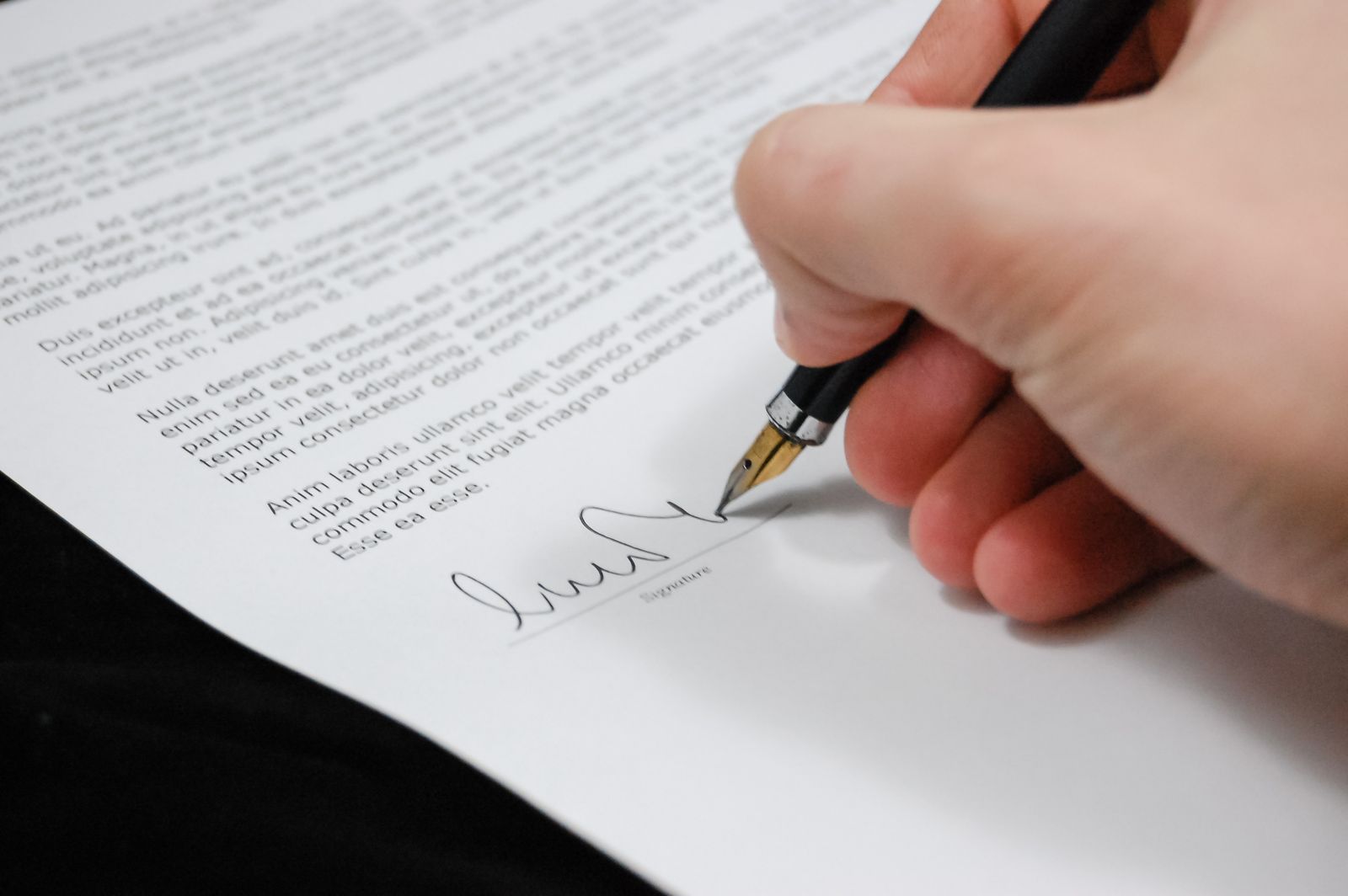
Then write, on paper as well as email. A demand letter that works has five elements: the contract and what it promised, in dates and deliverables; what actually happened, in the same dates; what you are asking for — delivery of all edited and unedited files by a named date, a refund of a named sum, or both in sequence; a deadline, fourteen days is the standard ask; and the next step you will take if it passes, named plainly. Send it by certified mail with return receipt requested, and email the identical letter the same day. The escalation rhythm experienced consumer guides use is consistent: message on every channel the day after the deadline passes, one follow-up a week later asking for a date in writing, the certified demand letter around day fifteen, and formal steps — card dispute, consumer-protection complaint, court filing — from about day thirty. A new delivery date given in writing is a genuine win at any stage. Log it, and hold them to it.
Ask for the unedited files explicitly, every time. Couples resist this — they paid for editing — but possession is the priority: raw and unedited files in your hands can be edited by someone else, this year or in five years. Files on a failing photographer's hard drive can be lost with the business. A North Carolina court, at the Attorney General's request, ordered exactly this remedy at scale: delivery of all edited and unedited photos and videos to couples who had paid and received nothing.
Your payment method is a right — with a clock on it
How you paid decides your fastest lever, and every version of it expires.
Credit card is the strongest position. Federal rules (Regulation Z, 12 CFR 1026.13) give you a billing-error route for services not delivered as agreed — but the notice clock runs 60 days from the statement that first showed the charge, not from your wedding or the missed delivery date, and couples who paid in full months before the wedding discover this too late. Card networks run their own dispute windows alongside: Visa's, for services not received, is 120 days from the expected delivery date. If any part of the balance is still unpaid, tell your issuer promptly rather than quietly withholding — the protected route runs through the issuer. Act on the card clocks first, in parallel with the demand letter, not after it fails.
Debit, cash, checks and payment apps carry none of that machinery. Your remedies are the demand, the complaint and the court — which makes the next two sections your whole strategy, and makes "pay the balance by credit card" the single most useful sentence in this guide for couples who have not married yet.
What you can realistically recover in a money claim: the fee or deposit, the cost of products never delivered, documented costs of restaging what can be restaged — portraits, not the ceremony — and filing and service costs. Courts focus on measurable economic loss; emotional-distress and punitive damages are generally not available in an ordinary contract case, however justified the distress. One Spanish court did order a photographer who deleted a couple's photos without any backup to pay about €8,000 — roughly seven times the fee — but the award was built from the documented cost of flying back and reshooting location portraits, not from grief. Build your claim the same way: receipts, not adjectives.
Regulators: when the state is your lever
File the complaint anyway — with your state attorney general's consumer-protection office or bureau — because of what complaints do in aggregate. Individually, a complaint rarely produces your gallery. Collectively, they are how the two largest wedding-photography enforcement cases of the past two years began.
In North Carolina, the Attorney General's office received 217 complaints against one wedding photography company, alleging roughly $1 million in losses: at least 38 clients who received only sneak peeks, about 35 who received unedited photos despite paying for editing, and at least 150 seeking refunds. The state sued, and a court issued a preliminary injunction ordering the company to deliver all edited and unedited photos and videos within 30 days, freezing its assets and barring it from taking new business while the case proceeds. In Pennsylvania in June 2026, the Attorney General sued a Philadelphia wedding photographer alleged to have contracted with couples, collected payment, and then no-showed or failed to deliver — seeking refunds, civil penalties of up to $1,000 per violation under the state's consumer-protection law, and an order stopping the practices.
The practical reading for a single couple: if your photographer has failed you, there is a real chance they have failed others, and your complaint is both a record for your own claim and the evidence that turns individual losses into a state case with powers — asset freezes, delivery orders — that no small-claims plaintiff can obtain. File it at the escalation point, around the demand letter's deadline, not as a last resort.
Small claims court: the remedy sized to the problem
Wedding photography packages, typically a few thousand dollars, fit inside every state's small claims limits — which run roughly from $2,500 to $25,000 depending on the state, with California's at $12,500 — and the process is built for people without lawyers. The claims are the plain ones: breach of contract, negligence for careless handling that lost the images, unjust enrichment for a fee kept without performance, and your state's consumer-protection statute where the sales practices were deceptive.
File in the county where the contract was signed or the wedding took place, name the person or business exactly as the contract names them, and bring the file you built in step one: contract, payments, message log, the timeline of promised and actual dates, and, for quality claims, a few delivered images beside the portfolio that sold the package. Send the final written deadline first — courts notice, and photographers often settle at the letter — and keep expectations calibrated: the court can return your money and your documented costs. It cannot return the day, and a judgment against a photographer with no assets is a paper remedy, which is one more reason the card dispute and the complaint run in parallel rather than in sequence.
| Lever | When to pull it | What it can actually get you |
|---|---|---|
| Demand letter (certified mail) | The day the contract deadline passes; allow 14 days | Delivery — edited and unedited files — or a refund, without any filing |
| Credit-card dispute | Immediately, in parallel: federal billing-error notice within 60 days of the statement showing the charge; Visa's services-not-received window 120 days from expected delivery | The charge reversed while the dispute is resolved |
| Attorney general / consumer-protection complaint | When the demand deadline passes | Your claim on record; in pattern cases, state action — delivery orders, asset freezes, refunds and penalties |
| Small claims court | From about 30 days after the missed deadline, once the file is complete | Fee refund, undelivered products, documented restaging costs, filing and service costs |
Salvage, and the fixes nobody mentions
While the levers run, do the salvage work, because some of it is perishable. Ask guests — today — to send their originals, not screenshots; a modern phone's best frames, gathered from thirty guests, will not replace a professional gallery, but they are frequently better than couples fear, and they are the only record of some moments. Ask the photographer, in the demand letter, to preserve and hand over everything: memory-card images, second-shooter files, phone shots by assistants, and to state in writing whether any backup exists and where. Where a card was formatted rather than destroyed, data-recovery specialists can sometimes retrieve images — a question worth one phone call before anyone overwrites anything further. And if a restaging is possible — the couple, the venue, the family portraits, as in the New York case — price it and document it now, while the dress fits and the grandparents are well: it is both a genuine partial remedy and the best-evidenced head of damages in your claim.
Finally, the sentence I gave every couple who called my studio too late, offered here while it can still help someone: the time to prevent this is the booking, and the prevention is boring — a contract with a delivery date, a named backup photographer, dual-card and backup practices you asked about out loud, and a balance paid by credit card. This site lists 564 wedding photographers; the ones worth hiring answer those questions without changing the subject. If you are reading this after the failure instead, take the steps in order, mind the 60-day clock, and ask for the files first. Money can be argued about for a year. The photographs are the part that cannot wait.
This guide is general information about consumer options in the United States, not legal advice for a specific case; state consumer-protection and court rules vary, and a local attorney or your court's self-help service can advise on yours.
Sources
- Pix Wedding, "My Wedding Photographer Ghosted Me" — escalation sequence of message on every channel, written follow-up, certified demand letter with a 14-day deadline, then card dispute, consumer-protection filing and small claims around day 30; full galleries normally take 3–12 weeks per The Knot's range.
- 12 CFR 1026.13 (Regulation Z) and Visa dispute guidance, via Pix Wedding's payment-lever summary — billing-error notice within 60 days of the statement first showing the charge; Visa services-not-received disputes within 120 days of expected delivery.
- WPTF / North Carolina Attorney General — 217 complaints against Holly Christina Photography alleging about $1 million in losses; preliminary injunction ordering delivery of all edited and unedited photos and videos within 30 days, freezing assets and barring new business.
- Pennsylvania Attorney General, via Utica Phoenix — June 2026 civil lawsuit against a Philadelphia wedding photographer alleged to have no-showed and withheld photos, seeking refunds and civil penalties of up to $1,000 per violation under the state consumer-protection law.
- Whalen v. Villegas, 2013 NY Slip Op. 23107 (Nassau County District Court), via Justia — a studio reused the wedding's memory card, permanently losing the cocktail hour, bridal-party and family portraits; the couple claimed their payments plus the costs of restaging portraits, including venue rental, transport and hair and makeup.
- PetaPixel, "Wedding Photographer Ordered to Pay Couple $8,800 After Losing Photos" — a Seville court ordered about €8,000 where a photographer deleted the photos without backup, the award reflecting the couple's documented cost of returning and reshooting location portraits.
- Small Claims Hero, "How to Sue a Wedding Photographer in Small Claims Court" — wedding packages fit within state small claims limits, typically $2,500 to $25,000; claims include breach of contract, negligence and unjust enrichment; recoverable items include the fee, restaging costs and filing and service costs.
- Cover Explained, "Photographer Loses Wedding Photos — Now What?" — emotional-distress and punitive damages are generally not available in an ordinary contract case; courts focus on measurable economic loss.
Photo by Sandro Crepulja, https://www.pexels.com/photo/3361200/ Photo by Pixabay, https://www.pexels.com/photo/person-signing-in-documentation-paper-48148/ Photo by Terje Sollie, https://www.pexels.com/photo/313707/
More guides
- How to Find a Wedding Photographer: The Complete, Honest GuidePhotographers › Wedding Photographers
- How Much Does a Wedding Photographer Cost? Packages DecodedPhotographers › Wedding Photographers
- 10 Questions to Ask a Wedding Photographer Before You BookPhotographers › Wedding Photographers
- Wedding Photography Styles Explained: Documentary, Editorial, Traditional, Fine ArtPhotographers › Wedding Photographers
- Hiring a Wedding Photographer in California: Venue Light, Permits, and Price LevelsPhotographers › Wedding Photographers
- All Guides & ArticlesBrowse the full guides library