Photographers › Wedding Photographers
Wedding Photography Across Kentucky: Big-City Choice vs. Small-Town Reality
Kentucky wedding photography runs on a calendar no other state quite shares. The first Saturday in May belongs to the Kentucky Derby, and Louisville effectively closes to ordinary weddings around it: venues black out, vendors book for race events, and hotel rooms within twenty miles of Churchill Downs rise 200 to 400 percent. October belongs to the Bluegrass, when horse-farm venues around Lexington sell out more than a year ahead. Between those two poles sits a state with two real metro markets — Louisville and Lexington, an hour apart on I-64 — a destination-priced bourbon corridor between them, a northern tier that is really Cincinnati's market, and a large rural remainder where the choice of photographer can come down to a handful of names.
I book photographers for events for a living, so this guide is written from the buyer's side of the contract: what the choice actually looks like in each Kentucky market, what couples pay, which dates behave like auctions, and the tactics that work in Louisville and Lexington versus the ones that work in Bowling Green, the mountains, and the small towns in between. This site lists 564 wedding photographers nationally in its listings, and Kentucky's share clusters exactly where you would expect — in the two metros and along the I-64 and I-75 corridors.
What Kentucky couples pay
Reported spending in the Louisville market puts a wedding photographer at roughly $2,550 to $3,100 for a smaller wedding, with photography and video together reported far higher in some budget bands — one Louisville estimate based on couples' actual spending puts the combined category at $4,460 to $5,450, about a fifth of the total budget, a reminder that adding film changes the category entirely. Published Louisville and Lexington rate cards fill in the structure. A Louisville team whose collections start at $3,800 reports that most of its couples invest $5,000 to $7,000, with every collection including a 20-page album, high-resolution files, and a one-year online gallery. At the accessible end, a Louisville photographer lists six hours at $2,300, eight hours at $2,800, and ten hours at $3,300, each with an engagement session, digital gallery with print release, and four-week delivery; Lexington listings on the same marketplaces start between about $1,600 and $3,000 for many working photographers, with some established names at $4,500 and above.
Put together, the honest Kentucky range for full-day coverage from an established professional is roughly $2,300 to $3,800 for most couples, $5,000 to $7,000 for premium Louisville and Lexington teams with albums and second photographers, and below $2,000 for newer photographers and shorter coverage — a real segment of this market, priced accordingly in experience. The Bureau of Labor Statistics put Kentucky photographers' median wage at $47,170 in May 2025, above the national median of $44,660, which fits a state where two metros and a destination corridor sustain professional rates while rural markets pull the other way.
| Market | Character | Typical full-day photography |
|---|---|---|
| Louisville | Largest vendor pool in the state; NuLu and Butchertown warehouses, Victorian mansions, distillery venues | About $2,500–$3,800 typical; $5,000–$7,000 premium teams |
| Lexington / Bluegrass | Horse farms, stone barns, Keeneland and Kentucky Horse Park settings; destination feel | About $1,800–$3,500 typical; top names $4,500+ |
| Bourbon country (Bardstown and between the metros) | Distillery venues hosting weddings on the distilleries' own terms | Metro-level rates, plus venue-specific rules and minimums |
| Northern Kentucky | River views facing Cincinnati; vendors and guests largely from the Ohio side | Priced as part of the Cincinnati market, not rural Kentucky |
| Small towns and rural regions | Few local specialists; Bowling Green is the strongest secondary market | Lower starting prices, thinner choice, travel often decides |
Louisville and Lexington: two markets, one hour apart
Outsiders treat Louisville and Lexington as one Kentucky market. Photographers do not. Louisville is the larger, more urban pool: more photographers, more styles, more second shooters and associates, and venues from riverfront warehouses to Highlands historic homes and the Olmsted parks. Lexington is smaller but more specialized: its best photographers are, in effect, horse-country specialists who know how particular farms handle light, weather, and timelines, and whose portfolios are built on white fences, stone barns, and pasture at golden hour.
The practical consequence is that the I-64 corridor between them is one of the best-served rural-adjacent stretches in the South. Photographers based between the metros advertise no travel fee for either city or anywhere along the corridor, and couples in Frankfort, Shelbyville, Georgetown, and Versailles can often hire metro photographers at metro packages without travel surcharges. One Louisville team draws its travel-fee line at 60 miles from Louisville, which reaches Lexington's edge — read your own photographer's radius carefully, because at Kentucky distances a venue can sit just inside one radius and just outside another.
Choice in the metros buys the usual things — style, redundancy, a second photographer, an engagement session in Cherokee Park or at Keeneland — and one Kentucky-specific thing: a photographer who has already worked your venue's rules. Keeneland opens select spaces for weddings, and its events run through its own hospitality operation; distillery venues write their product and alcohol rules into the contract and schedule around tours; horse farms are working farms, with restrictions on where guests and photographers can go. A photographer learning those rules on your wedding day spends your portrait time doing it.
Derby weekend and the racing calendar: Kentucky's immovable obstacles
Every state's photographers have peak Saturdays. Kentucky's are partly owned by horse racing. Derby weekend in early May removes Louisville from the wedding map: venues black out, hotels fill at two to four times normal rates, and photographers and other vendors take race-week work. Unless the race is the point of your wedding, avoid the whole week, or lock accommodation more than a year ahead and accept race pricing on everything around the photography. The same pattern repeats at smaller scale around Keeneland's spring and fall race meets in Lexington, which coincide with peak wedding demand in the Bluegrass and add a festive, crowded, expensive edge to exactly the weekends couples most want.
The wider Kentucky season runs spring and fall, with peak months from March through May and September through November. Autumn is the most contested season statewide: Kentucky planners note that true peak fall does not settle until mid-to-late October, since September and early October are often still hot in the daytime, and that spring does not really bloom until late April or early May — which compresses the most coveted Saturdays into late April and May (Derby collision included) and mid-October through early November. Horse-farm venues around Lexington book earliest of all, commonly more than a year ahead for those windows. If your heart is set on a specific Bluegrass farm in October, the photographer conversation starts the same week as the venue conversation, not after it.
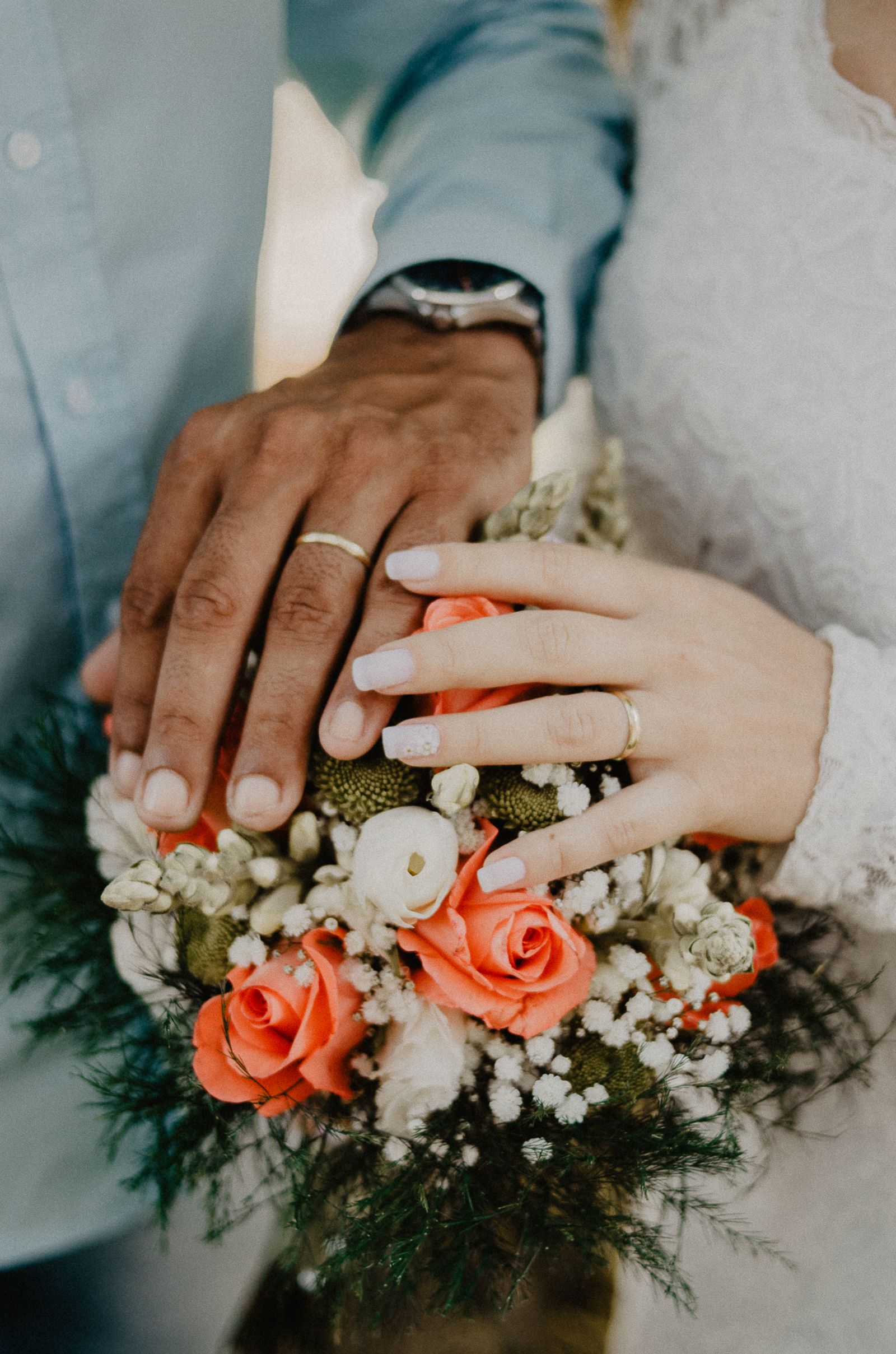
Small-town Kentucky: thin choice, real advantages
West, south, and east of the metro corridor — Bowling Green, Owensboro, Paducah, the Cumberland foothills, Appalachian Kentucky — the market thins to a few wedding specialists per region, supplemented by generalists and by metro photographers willing to travel. Weddings statewide average well under the national figure — one Kentucky-wide estimate puts the average wedding at about $21,680 in 2026, roughly $13,000 under the national average — and photography budgets scale with that reality.
Thin choice changes tactics, not standards. In a small market, the best local photographer may also be the only one whose full galleries you can review, so review them completely: a whole wedding, in a venue like yours, in the season yours will be in. Ask about backup equipment and a backup plan by name; a Louisville studio has associates, while a solo photographer three counties away has, at best, a reciprocal arrangement with another solo photographer — which is fine, provided it exists and is written down. Expect simpler packages, shorter standard coverage, and delivery timelines quoted in weeks; expect, in return, flexibility that metro studios rarely offer, local knowledge of churches, halls, and light, and a photographer whose entire referral network lives within an hour of your venue.
Travel is the hinge. A Lexington photographer quoting a Somerset or Hazard wedding will price the drive, possibly an overnight, and a minimum package — correctly, since a six-hour round trip turns eight hours of coverage into a two-day commitment. Compare that delivered total against the local option's total for the same hours before deciding the local photographer is cheaper, or the import is extravagant. And note the northern exception: Northern Kentucky weddings are Cincinnati weddings in most practical respects, priced and supplied from across the river, so couples in Covington and Newport should shop both states' photographers and confirm which side's contracts, taxes, and travel assumptions apply.
Licenses, taxes, and the paperwork questions worth asking
Kentucky keeps the marriage license simple — it is issued by the county clerk and is short-lived, with a 30-day window that means applying two to three weeks before the wedding — but vendor paperwork is where buyers should be precise. There is no single statewide occupational badge for wedding photographers; local business and occupational licensing in Kentucky is handled at city and county level and varies by jurisdiction, which is why two equally legitimate Kentucky photographers may show different paperwork. The professional response to that patchwork is not to demand a specific document, but to ask three questions of anyone you hire, in any Kentucky market: Are you insured, and can the venue see a certificate? Is your business registered and licensed where you are based? And does your quoted price include everything — travel, second photographer, album, and any taxes that apply to the package as you have structured it — or will those appear later?
That last question matters more in Kentucky than couples expect, because packages mix services, digital files, and physical albums, and the tax treatment of a package can depend on how it is structured and itemized. Do not take a tax position from a guide — including this one. Take it from the contract: a photographer who itemizes clearly, states whether the total is final, and can explain their structure in one sentence is a photographer whose business is in order. In an events career, that correlation has held up remarkably well.
Tactics, by market
In Louisville, plan around Derby first and the photographer second: if your date touches race week, every vendor decision gets harder and pricier at once. Use the depth of the market to compare complete collections — album, files, gallery term, backup retention — since headline prices hide real differences there; one Louisville team's seven-year file backup is worth money that a cheaper quote without it is not.
In Lexington and the Bluegrass, book the photographer with the farm, prioritize venue-specific experience over a prettier portfolio from elsewhere, and treat mid-October Saturdays as a twelve-to-eighteen-month market. In bourbon country, confirm the distillery's photography and alcohol rules before hiring anyone, since the venue's terms will govern parts of the day. In Northern Kentucky, shop Cincinnati too. In small-town Kentucky, hire the strongest local whose full galleries hold up, get the backup arrangement in writing, and if you import, compare delivered totals — travel, lodging, minimums and all — rather than package prices.
Kentucky rewards couples who plan around its real calendar instead of the generic one. The Derby is not moving, Keeneland's meets are not moving, and the horse farms will still book out next October. Work with those facts, and the state's two deep markets, one famous corridor, and its personal small-town photographers give you more good options than most states its size.
Sources
- The Wedding Report, Louisville wedding cost estimates — couples in the Louisville market spend about $2,546–$3,112 on a wedding photographer, with one photography-and-video category estimate of $4,459–$5,449 at about 21 percent of the budget.
- Green Apple Photography, Louisville — collections starting at $3,800, most couples investing $5,000–$7,000, including a 20-page album, high-resolution files, one-year gallery, and seven-year backups; travel fees beyond 60 miles from Louisville.
- MM Photo Co., Louisville, via The Knot — packages of $2,300 for six hours, $2,800 for eight hours, and $3,300 for ten hours, with engagement session, digital gallery with print release, and four-week delivery.
- The Knot, Lexington wedding photographer listings — starting prices commonly between about $1,600 and $3,000, with established names at $4,500 and above.
- U.S. Bureau of Labor Statistics, Occupational Employment and Wage Statistics, May 2025 — Kentucky median wage for photographers of $47,170, against a national median of $44,660.
- Pix Wedding, Kentucky wedding venues guide — Derby weekend blackout in Louisville, hotel rates within 20 miles of Churchill Downs rising 200–400 percent, Keeneland as a wedding venue, bourbon distillery venue costs of $3,000–$10,000, and Louisville urban venue costs of $3,500–$12,000.
- The Knot, Kentucky wedding planning guide — autumn as the most popular season, peak fall settling in mid-to-late October, and spring bloom arriving late April to early May.
- The Wedding Brigade, Kentucky weddings — statewide average wedding of about $21,680 in 2026, roughly $13,000 under the national average, Derby weekend effects, distillery alcohol rules, and the 30-day marriage license window.
Bouquet and rings — photo by wendel moretti, https://www.pexels.com/photo/1730877/ Couple at sunset — photo by Asad Photo Maldives, https://www.pexels.com/photo/1024994/
More guides
- How to Find a Wedding Photographer: The Complete, Honest GuidePhotographers › Wedding Photographers
- How Much Does a Wedding Photographer Cost? Packages DecodedPhotographers › Wedding Photographers
- 10 Questions to Ask a Wedding Photographer Before You BookPhotographers › Wedding Photographers
- Wedding Photography Styles Explained: Documentary, Editorial, Traditional, Fine ArtPhotographers › Wedding Photographers
- Hiring a Wedding Photographer in California: Venue Light, Permits, and Price LevelsPhotographers › Wedding Photographers
- All Guides & ArticlesBrowse the full guides library