Photographers › Wedding Photographers
Wedding Photography Across Maine: Big-City Choice vs. Small-Town Reality
Maine has one real metro, and it is not very big. Portland, the state's largest city, anchors a wedding market with dozens of working wedding photographers, second shooters on call, and rental houses that can replace a broken lens by noon. Then there is the rest of Maine: a coastline that runs roughly 3,500 miles when you count every inlet, lakes and barn venues an hour from the nearest studio, and towns where the choice is not which photographer you like best but whether the one photographer you like is free on your date — or whether you are importing one, at travel prices, from Portland, Boston, or Bangor.
Both markets produce beautiful work. They fail in completely different ways, they charge differently, and the tactics that get you a great photographer in one will waste your time in the other. This guide walks through both, with the numbers, the seasons, the permit and tax details that are specific to Maine, and the questions that actually separate a smooth booking from a September phone call you do not want to make.
Two markets, one state
Start with the honest geography. Maine's wedding industry is concentrated in a southern coastal band — Portland, the Kennebunks, York County, and up the Midcoast through Camden — with a second, seasonal pole around Bar Harbor and Acadia, and a third, thinner one around Bangor. Beyond that band lie the lakes region, the western mountains, and the north, where venues are plentiful and local photographers are not.
The price data shows the gradient. Couples marrying in Maine typically spend around $3,600 on wedding photography for a 100-guest celebration, and wedding costs across the state vary by roughly 13 percent, with Portland the priciest market. Portland-area estimates for photography alone run from about $2,600 to $3,200 at larger guest counts in cost surveys, while established Maine photographers describe a typical full-day range of $4,000 to $6,000 — the difference between an average across all couples, including small weddings, and the going rate for experienced full-day coverage. Marketplace starting prices in the Portland area run from just under $2,000 to $5,000 and up, which tells you the metro has something at almost every tier. That spread is the luxury of a metro market: you can shop.
In a small market, you cannot shop the same way, and the price logic inverts. A talented photographer in a rural county may charge less than a Portland peer — less overhead, a shorter season of local demand — but there may be exactly one of them, and their September Saturdays are spoken for a year out. Meanwhile the couple at a lakes-region or mountain venue who decides to import a Portland photographer pays the Portland rate plus the road: mileage or a travel fee, possibly a hotel night, and the photographer's entirely reasonable unwillingness to drive three hours home at midnight after a ten-hour day.
| Portland & the southern coast | Small-town & rural Maine | |
|---|---|---|
| Typical spend | Around the state average of ~$3,600 and up; established full-day coverage commonly $4,000–$6,000 | Local photographers often below metro rates; imported metro photographers at metro rates plus travel |
| Choice | Dozens of styles and tiers; starting prices from ~$1,995 to $5,000+ | One to a handful of local names, or an imported shortlist |
| Second shooter | Usually available in-house or by referral | Often a spouse, an assistant, or nobody — ask explicitly |
| Backup depth | Studios and networks can cover illness or gear failure | A solo photographer's backup plan may be a handshake — get it in writing |
| Booking lead time | Peak Saturdays go 12–18 months out | The single local favorite can go just as early; imported photographers need travel logistics settled sooner |
| Hidden cost | Maine sales tax on the full package (see below) | Travel fees, mileage, and a possible hotel night |
The season runs the whole state
Maine's wedding calendar is brutally compressed, and it is compressed by weather, not fashion. The reliable outdoor window runs from late June through September: long days, warm nights, dry roads. Within it, August is the most heavily booked month, and September is the connoisseur's choice — humidity broken, light turning golden, crowds thinning.
Then comes foliage, and foliage in Maine is a moving target that a photographer has to chase correctly. The state's own foliage reports describe a north-to-south progression: northern Maine peaks in the last week of September into the first week of October, central Maine and the western mountains around Indigenous Peoples' Day weekend, and the coast and southern Maine from mid-October toward the end of the month. A photographer who knows the state will tell you that an October wedding in Greenville and an October wedding in Kennebunkport are two different color events two weeks apart — and will schedule portrait time, and even suggest ceremony timing, around which week your venue's trees actually turn. A photographer who does not know Maine will promise "peak foliage" for a date when your venue is either still green or already bare.
The shoulder and cold seasons cut the other way, and small markets feel it harder. May in rural Maine can still be mud season — gravel lots, dirt access roads, and unpaved parking fields at exactly the barn venues couples love. From November through April, many rural venues are simply not winterized, and the ones that are come with a real guest-logistics question about rural roads in snow. The upside is genuine: winter dates are the cheapest and most available on the calendar statewide, and a Portland photographer who is unbookable in September may happily drive to your winter wedding — in a month when their calendar, and their rate, have room in them.
One more calendar truth, and it is pure Maine: the state's average wedding costs about $36,000, the lowest in New England alongside New Hampshire. Maine couples are not under-spending; the state's venues and vendors simply price below Boston and Newport. Photography at roughly 9 to 10 percent of that budget is the normal proportion — a useful check when a quote feels out of line in either direction.
The Maine tax detail that surprises couples
Maine taxes photography in a way most couples — and some photographers — get wrong, because it does not tax the service; it taxes the photographs, and then sweeps the service in with them.
Maine Revenue Services' guidance for photographers is explicit: photographers are producers and retailers of tangible personal property. Sales of photographs — including a digital product delivered electronically, so a download gallery is not a loophole — are subject to Maine's 5.5 percent statewide sales tax (Maine has no local sales taxes to stack on top). A sitting or session fee by itself, with no photographs provided, is not taxable. But the moment photographs are sold, tax applies to the entire sale price, including the sitting charge and the services that were part of the sale.
Translated into wedding terms: on a $4,500 package, expect roughly $250 of Maine sales tax if the package is taxed as most wedding packages are — on the whole price, not just on an album or a USB drive broken out at the bottom. When you compare quotes, ask whether the price shown is before or after tax, and be suspicious of a structure that pretends a package is "all service, no product" while delivering a full gallery. That is not a loophole; under the state's own bulletin it is the taxable sale, described wrong. The reputable version of this conversation is boring: the photographer states the package price, states the tax, and collects it. Budget for it and move on.
Permits: Acadia is not a backdrop, it is a jurisdiction
The most photographed wedding locations in Maine come with a rulebook. Acadia National Park requires a permit for weddings and commitment ceremonies, with a nonrefundable application fee of $125; very small, simple ceremonies — ten people including the officiant, no chairs, arches, decorations, or audio gear, nothing blocking other visitors — may qualify for an exception, and permitted sites carry group limits that vary by location, from about 20 people at some sites to 50 at others. Cadillac Mountain does not allow ceremonies at sunrise or sunset at all, which eliminates the two most requested portrait slots on the mountain before you start.
Photography rides on that structure. Under current National Park Service rules, photography that is part of an already-authorized event does not need a separate permit, and small-scale shooting with handheld gear often needs none either — but a photographer offering workshops or tours in the park needs a commercial use authorization, and larger or higher-impact shoots need a filming permit with its own application fee. Maine's state parks run on a parallel rule: the Bureau of Parks and Lands requires a permit when an activity is commercial or goes beyond normal recreational use, and asks for lead time — requests under a month out may not be accommodated.
The practical question for a couple is not "is a permit needed?" but "whose job is it?" Decide, in the contract, who researches the permit, who files it, who pays the fee, and what happens to the portrait plan if the answer comes back no. A Portland or Bar Harbor photographer who works these locations weekly will usually handle it as routine. An imported photographer shooting Acadia for the first time may not know the site limits exist. Local knowledge is not a romantic extra in Maine; on park land, it is a compliance function.
Small-town tactics that actually work
Book the person, then the package. In a thin market, the scarce resource is a specific human being's Saturday. Secure the photographer you trust with a retainer and a signed contract first; negotiate hours and albums after. In Portland you can compare six portfolios over a month. In a county with two working wedding photographers, a month of comparison shopping is how you end up with neither.
Ask the backup question out loud. "If you are in the hospital that week, who shoots my wedding?" A metro studio answers with a roster. A rural solo photographer might answer with a colleague two towns away, an associate they train, or — honestly — nobody yet. Any of those can be acceptable. What is not acceptable is discovering the answer in the week of the wedding. Get the named backup, or the refund-and-referral term, into the contract.
Price the road honestly, in both directions. If you are importing a photographer, expect some combination of a per-mile charge, a flat travel fee by zone, and a hotel night for venues far from their base — the Sebago Lakes and Bar Harbor from Portland, the mountains from almost anywhere. Ask for it as a single stated number, not an estimate to be settled later. And run the comparison fairly: a local photographer at a lower package price with no travel can be the better value and the lower risk, because they are sleeping in their own bed the night before your wedding, twenty minutes from your venue, in weather they have driven in all their lives.
Use the off-season as leverage — carefully. Winter and early-spring dates, Friday and Sunday weddings, and shorter coverage days are where rural photographers have genuine flexibility. What does not work is assuming small-town means desperate. The good ones book out on reputation alone, in a market where everyone at your reception knows everyone at their next three weddings.
Check the portfolio for your light, not their best light. Ask to see a full gallery from a wedding like yours: a barn with a low ceiling and one window, a tent in August rain, a harbor in October wind. Maine venues are harder on photographers than ballrooms are. The full-gallery test, applied to a Maine-like setting, is the single most reliable predictor of what your photographs will look like.
Portland tactics, briefly
In the metro, the risks are the ordinary urban ones, sharpened by season. Peak Saturdays — June, September, and the foliage weeks — go twelve to eighteen months out for the names everyone recommends, so the comparison-shopping phase has a deadline. Verify that the portfolio you fell for is the work of the person who will actually shoot, since larger studios dispatch associates. And use the depth you are paying for: a second shooter, a real backup bench, and same-week engagement sessions are all genuinely available in this market, so a package that offers none of them should be priced like it.
Finding them
This site lists 564 wedding photographers, and Maine couples will find the state's market in microcosm: deep choice around Portland, working professionals in the Midcoast, Bangor, and the Bar Harbor season, and thin coverage — honestly thin — in the north and west, where importing a photographer is a normal plan rather than a failure. Whichever market you are in, the sequence is the same: pick by full galleries in Maine light, confirm the backup plan and the permit plan by name, get travel and tax stated as numbers in the contract, and sign earlier than feels necessary. In Maine, the calendar is the scarcest thing anyone sells. The couples who get the photographer they wanted are, almost without exception, the ones who asked first.
Sources
- Zola, Maine wedding photographers marketplace and cost data — establishes that Maine couples typically spend around $3,600 on wedding photography for a 100-guest celebration (about 9 percent of the average budget), that costs vary by roughly 13 percent across the state with Portland priciest, and Portland-area starting prices from about $1,995 to $5,000.
- The Knot 2026 Real Weddings Study, via New England Vows — establishes Maine's average wedding cost at about $36,000, among the lowest in New England.
- Life in Focus Weddings, Maine photographer cost guide — establishes a typical full-day Maine range of $4,000–$6,000 for professional wedding photography.
- Maine Revenue Services, Instructional Bulletin No. 3, "Photographers and Photofinishers" — establishes that photographers are retailers of tangible personal property, that sales of photographs including electronically delivered digital products are taxable at the 5.5 percent state rate on the entire sale price including sitting charges, and that a sitting charge alone, with no photographs provided, is not taxable.
- National Park Service, Acadia National Park special use permits and filming/photography pages — establishes the $125 wedding permit application fee, site group limits, the small-ceremony exception conditions, and when photography permits or commercial use authorizations apply.
- Maine Department of Agriculture, Conservation and Forestry, fall foliage guidance — establishes the north-to-south peak progression: north in late September to early October, central Maine around Indigenous Peoples' Day weekend, coast and south from mid-October.
- Signature Wedding Weekends, Sebago Lake market data — establishes that Portland is the supply pool for the lakes region, with travel added for Bridgton, Naples, and Sebago weddings.
Photographs
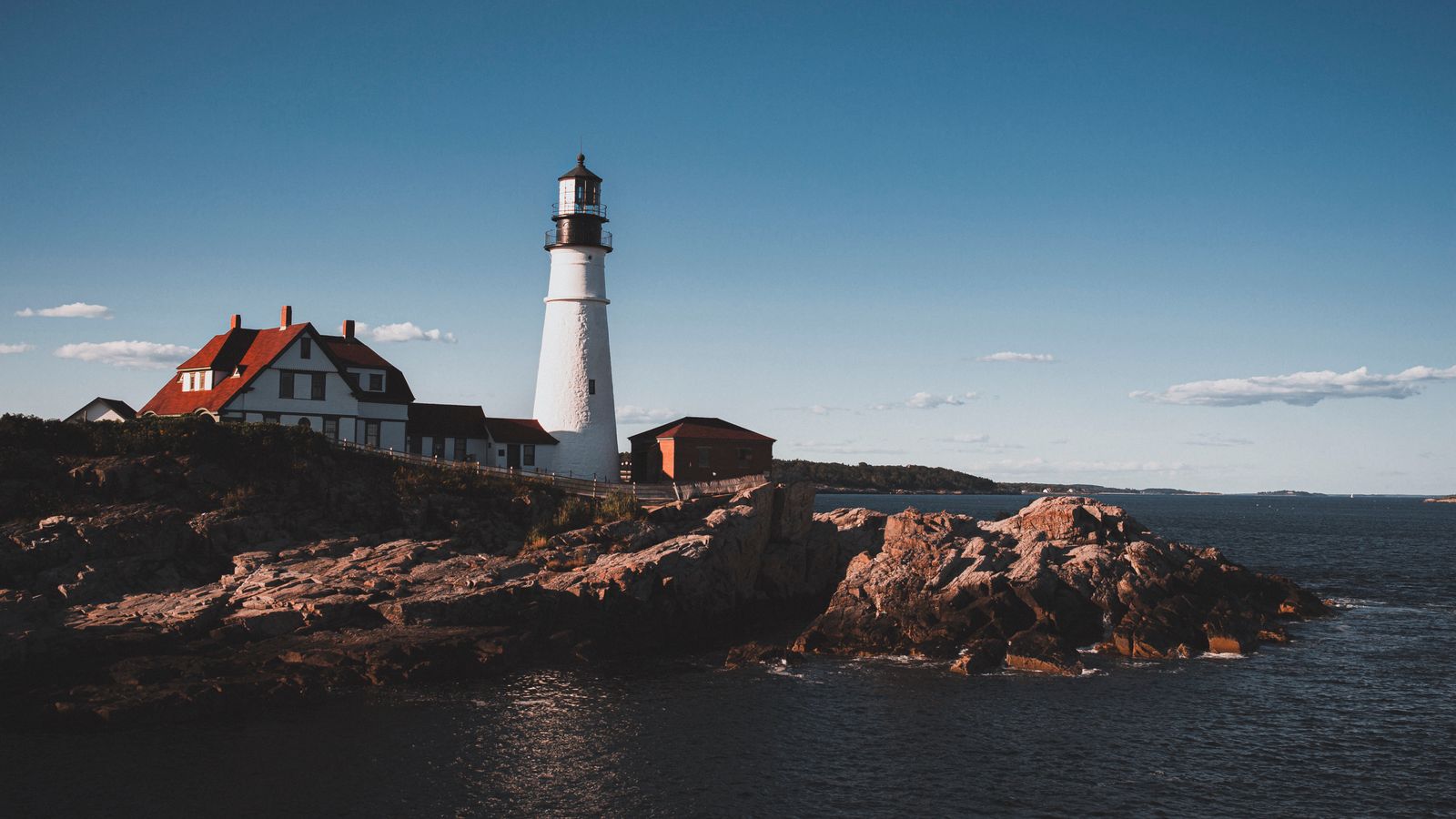
- Portland Head Light — photo by Alex O'Neal, https://www.pexels.com/photo/20340962/
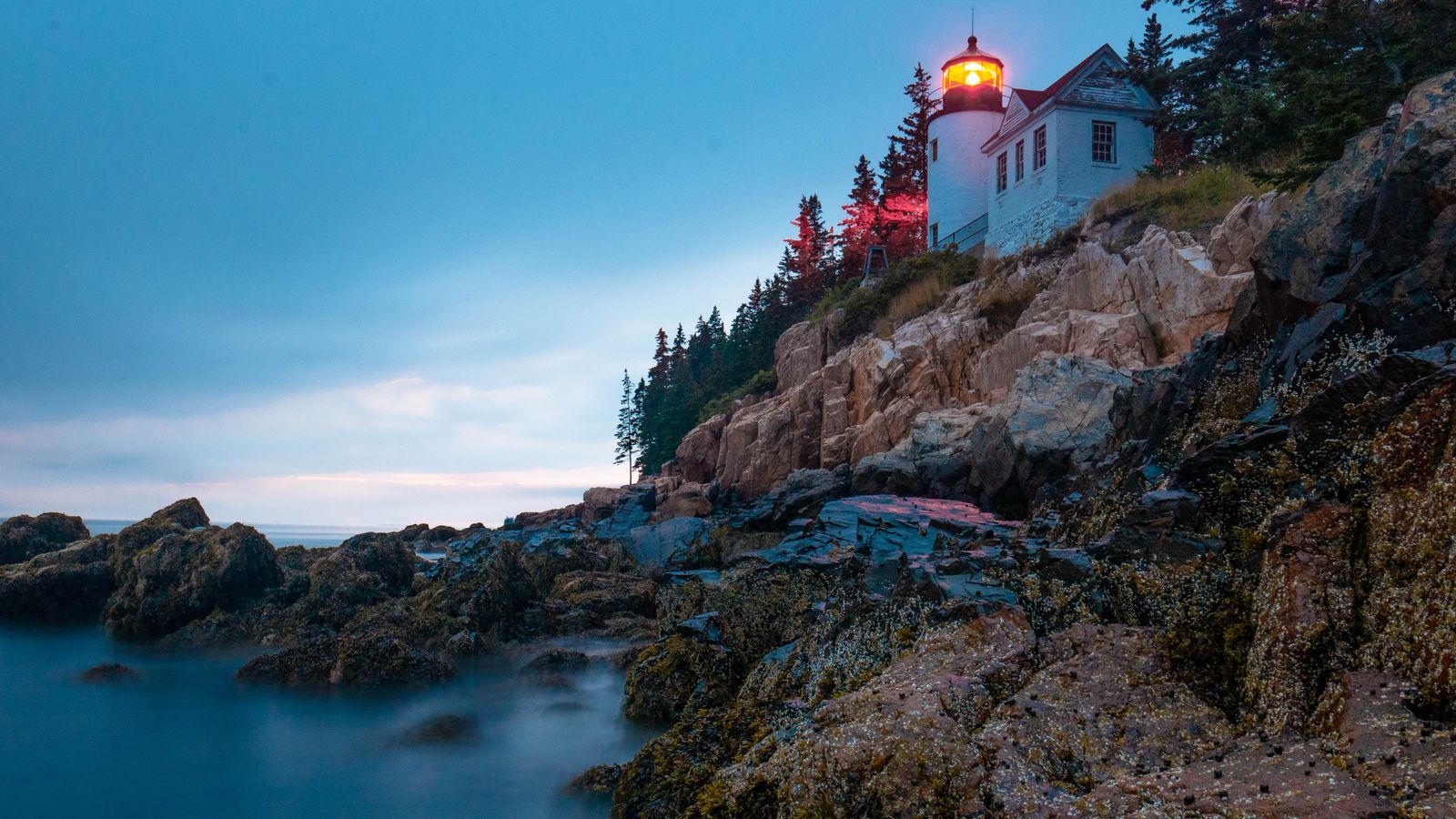
- Bass Harbor Head Light — photo by Owen Casey, https://www.pexels.com/photo/8947305/
More guides
- How to Find a Wedding Photographer: The Complete, Honest GuidePhotographers › Wedding Photographers
- How Much Does a Wedding Photographer Cost? Packages DecodedPhotographers › Wedding Photographers
- 10 Questions to Ask a Wedding Photographer Before You BookPhotographers › Wedding Photographers
- Wedding Photography Styles Explained: Documentary, Editorial, Traditional, Fine ArtPhotographers › Wedding Photographers
- Hiring a Wedding Photographer in California: Venue Light, Permits, and Price LevelsPhotographers › Wedding Photographers
- All Guides & ArticlesBrowse the full guides library