Photographers › Wedding Photographers
Wedding Photography Across Massachusetts: Big-City Choice vs. Small-Town Reality
Massachusetts is small enough to drive across in an afternoon and varied enough to contain three separate wedding photography economies. Greater Boston is a high-cost metro market with a deep bench and a short, ferociously contested season. Cape Cod and the Islands are a destination market where the calendar is dictated by summer, the workforce is seasonal, and half your vendor's working day can be spent on a ferry schedule. And the small towns — the Berkshires, the Pioneer Valley, the mill towns and farm country west of Worcester — run on a handful of local names, word of mouth, and photographers imported from the metro at metro prices plus the drive.
I spent years as a commercial photographer's assistant, which in wedding season meant being the person who actually read the contracts, loaded the car and watched the timelines collide with reality. The couples who got good value in Massachusetts were rarely the ones who spent the most. They were the ones who understood which of the three economies they were buying in. Here is how each one actually works.
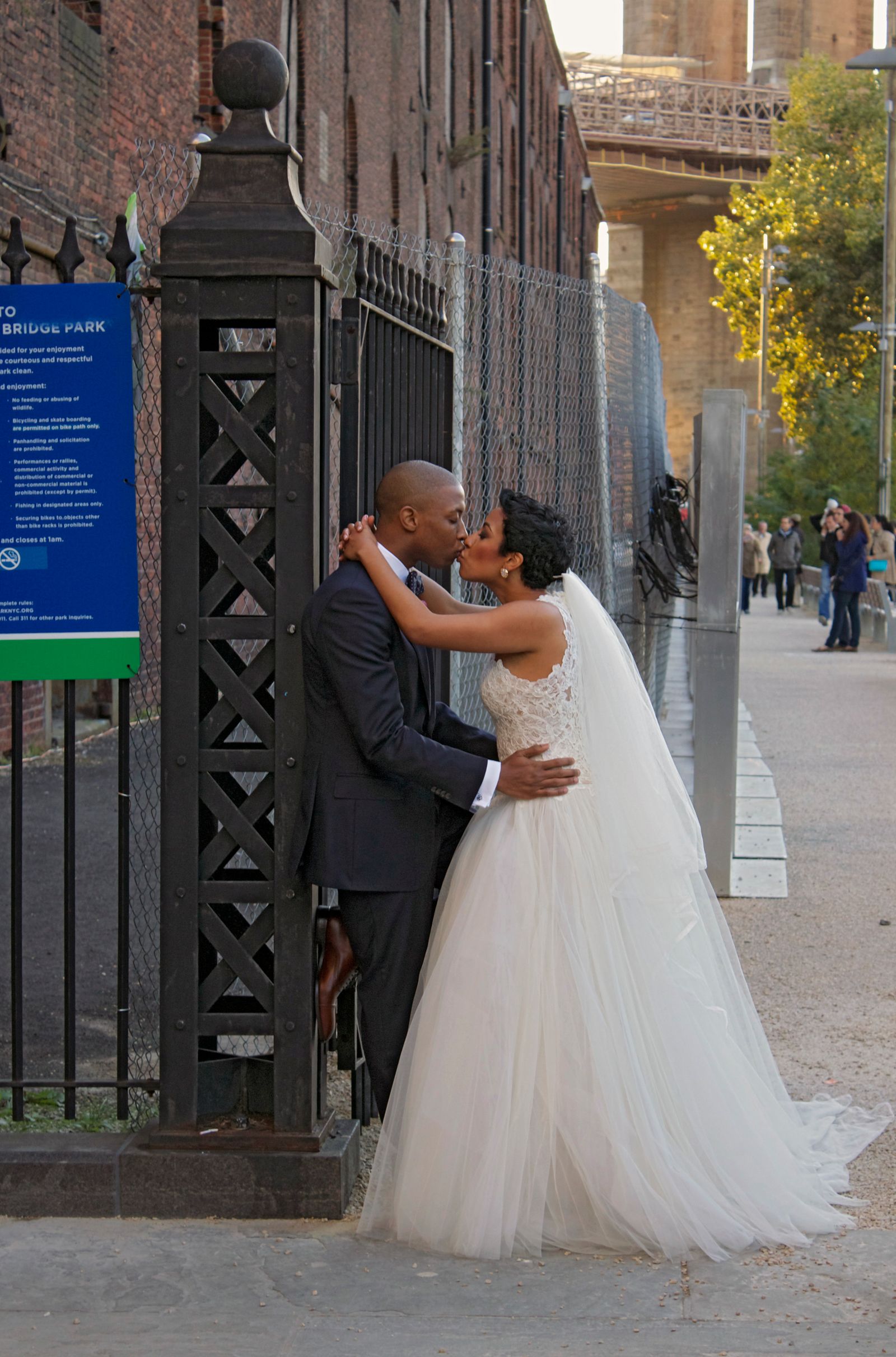
Boston: a deep bench priced by a short season
Start with the arithmetic that explains Boston prices. One Boston studio, breaking down its own market, puts the local wedding season at May through October — roughly 26 weekends — and notes that a photographer who can sustain a full-time business in this market generally cannot do it below about $5,000 a wedding. That is the floor logic: a year's income has to be earned on about fifty Saturdays, against Boston rents, $15,000–$40,000 of camera kit and 30 to 50 hours of editing and album work behind every wedding day.
The published numbers sit consistently above the national picture. The Knot's national average for a wedding photographer is around $2,900–$3,000; Boston-area couples typically invest $3,500 to $10,000 or more for full-day coverage, according to one Massachusetts photographer's market guide, and a survey of about 100 Boston-area photographers put eight hours with one photographer at an average of roughly $6,627, ranging from $3,600 to $11,000. Spending data from real Boston weddings lands lower — roughly $3,261 to $5,269 for the photographer depending on the size of the wedding — because real weddings include the budget tail: newer photographers, shorter days, off-season dates. Established full-time Boston names cluster at $6,000–$9,000, with luxury, multi-day and high-logistics work at $12,000 and well beyond.
What the money buys in the metro is not just style — though with this site listing 564 wedding photographers nationally and the Boston bench being one of the deepest in New England, style choice is real. It buys structure: second shooters drawn from a genuine associate pool, studios that can replace a sick lead, and photographers who know the working rules of the city's portrait landmarks. Even that has paperwork attached — Boston's marquee portrait spots, the Public Garden and the Boston Public Library among them, come with their own photo rules and permit expectations that a local professional navigates routinely and an import discovers on the day. In Boston, vet for full galleries, confirm who actually shoots your wedding if you sign with a studio, and book early: the same 26-weekend squeeze that sets the prices also means the best September and October Saturdays are spoken for a year or more ahead.
Cape Cod and the Islands: the ferry is part of the package
Cross the canal and the market changes character. The Cape's wedding season is summer in a way Boston's is not — a compressed, high-demand window when venues from Chatham to Provincetown run at capacity and every vendor in the chain, from florists to photographers, is working the same twelve Saturdays. The Cape has its own resident bench: marketplace listings for Cape and Islands weddings show local photographers starting anywhere from about $1,800 to $6,500, with island-based studios at the top of the range — one Nantucket studio lists weddings starting at $10,000, and another island photographer at $7,500.
Martha's Vineyard and Nantucket add the feature no mainland market has: the boat. A mainland photographer shooting an island wedding is working around the Steamship Authority's ferry schedule — vehicle reservations in summer are their own contest — plus island lodging at island prices for themselves and any second shooter, because nobody sensible plans to catch the last ferry after a reception ends. Those costs land in your quote as travel fees, lodging line items, or a quietly higher package price. An island-based photographer eliminates the ferry risk entirely and knows which beach faces sunset in July; what you give up is bench depth if anything goes wrong, because the island's resident professionals can be counted without running out of fingers.
The Cape itself, without the ferry, splits the difference: a real local bench in towns like Hyannis, Dennis and Brewster, heavy seasonal demand, and mainland photographers from the South Shore and Boston competing for the same dates at prices that include the drive down Route 6 — a drive whose Friday-afternoon version belongs in your timeline, not as a surprise in it. The working tactic on the Cape and Islands is to book photography when you book the venue, to ask island-bound vendors exactly which ferry they plan to take and where they are sleeping, and to get the travel and lodging charges itemised in the contract rather than absorbed into a number nobody can explain later.
The Berkshires and the small towns: word of mouth, thin benches, long drives
Western Massachusetts runs on a different economy again. The Berkshires have a genuine destination scene — estate and barn venues around Lenox, Stockbridge and Great Barrington drawing couples from Boston and New York alike — layered over small towns where the local wedding photographer may also be the local portrait photographer, the school photographer and the only person for forty miles who shoots weddings full-time. The Pioneer Valley around Northampton and Amherst has its own college-town bench. East of there, in the farm and mill towns, the choice can narrow to two or three names.
Prices follow the pattern you would expect, with a twist. A local photographer's full-day price in a small market often sits well below the Boston band — the work is the same, but the overheads and the season pressure are not. The twist is the import market: a Boston or New York photographer brought to a Berkshire estate weekend is priced like the luxury product it is, with travel, two nights of lodging and a second shooter to feed, and couples routinely discover that the famous name costs double the local alternative before the travel lines are added. Neither is the wrong buy. The local brings venue knowledge and a reputation they have to live with in a small town — an underrated form of quality control — but no bench behind them if they fall ill the week of your wedding. The import brings structure at a price. In small markets, the contract terms that matter most are the backup clause (who, specifically, shoots if your photographer cannot) and the delivery timeline (a one-person studio in peak season is editing every wedding personally, and galleries can run long).
| Greater Boston | Cape Cod & the Islands | Berkshires & small towns | |
|---|---|---|---|
| Typical full-day photography | $6,000–$9,000 at established full-time studios; real spend often $3,300–$5,300 | Local bench from ~$1,800; island studios $7,500–$10,000+ | Locals often below the Boston band; imports priced as luxury plus travel |
| Season pressure | May–October, ~26 weekends | Compressed summer peak | Summer and fall-foliage peaks in the Berkshires |
| Choice | Deepest bench in New England | Real Cape bench; very thin on the islands | Two or three local names is common |
| Signature risk | Peak Saturdays gone a year out | Ferry schedules, island lodging costs | No backup bench; long drives for imports |
| Watch in the contract | Who actually shoots; permit rules at portrait landmarks | Itemised ferry, travel and lodging lines | Named backup; gallery delivery timeline |
The Massachusetts tax quirk: the album changes the bill
Massachusetts charges 6.25 percent sales tax on tangible personal property, and services are generally outside the tax — which produces a photography rule that surprises couples in both directions. Where the final product is transferred to you in tangible form — prints, an album, a USB drive or discs — the transaction is treated as a sale of that product, and the tax applies to the entire charge, sitting fees and labour included. Where the photographs are delivered exclusively by electronic means, as a download or online gallery with nothing physical changing hands, the transaction is treated as a non-taxable service.
The practical consequence: two Boston photographers quoting the same $7,000 can produce different final bills depending on what is in the package and how it is delivered, and adding a physical album or a USB drive to an otherwise digital package can pull the whole charge into taxable territory. This is not a loophole to game — deliberately restructuring a package purely around delivery format is a conversation for the photographer's accountant, not a negotiating trick — but it is a legitimate question to ask at the quoting stage: "What in this package is taxed, and is the tax in your quote or on top of it?" On a metro package, 6.25 percent is real money, and it is better discovered in the interview than on the final invoice.
Your consumer-protection backstop: Chapter 93A
Massachusetts also gives couples a backstop most states do not, and it is worth knowing before you sign anything — not because you plan to use it, but because reputable vendors price and behave as if it exists. The state's Consumer Protection Law, Chapter 93A, makes unfair or deceptive practices in trade or commerce unlawful. A business charging more than its advertised price, failing to disclose relevant information about a service, or not honouring its agreement are the kinds of conduct the state gives as examples. A consumer who has tried to resolve a complaint informally can sue — but only after sending a detailed 30-day demand letter setting out the complaint, the harm and the relief sought. A court can award actual damages, and up to double or treble damages plus attorney's fees where the violation was willful or knowing, or where the business refused relief in bad faith.
For a wedding photography dispute — a no-show, a lost gallery, a package materially different from what was sold — the 93A sequence matters more than the courtroom: a calm, written, dated demand letter that references the law and gives the vendor 30 days to make a reasonable settlement offer changes the negotiation, because the vendor knows what a refusal can multiply into. It also means the paper you generate while planning — the contract, the package description, the emails — is your evidence file. Keep it. Couples who book small-town photographers on a handshake and a deposit are the ones with nothing to attach to the letter.
Tactics that travel across all three markets
Book against the real calendar, not the national one. National advice says nine to twelve months. On the Cape in summer, in Boston in October, and in the Berkshires at foliage peak, the honest figure for a sought-after name is twelve months or more — and in the islands' case, venue and photographer are effectively booked as a pair.
Ask the market-specific question. In Boston: who shoots if your lead is sick, and do you handle the Public Garden or library portrait rules? On the islands: which ferry, where do you sleep, and what is itemised? In a small town: who is your named backup, and when — honestly — will the gallery arrive?
Price the whole transaction. Package, plus travel and lodging lines, plus the 6.25 percent question on anything physical, plus the overtime rate for the hour the reception runs long. The cheapest quote in every Massachusetts market is usually the one with the most lines missing.
Three economies, one decision
Massachusetts asks you to make one decision three ways. In Boston you are buying depth and structure at prices set by a 26-weekend season. On the Cape and the Islands you are buying local knowledge inside a summer market where logistics — ferries, lodging, Route 6 on a Friday — are half the product. In the Berkshires and the small towns you are choosing between a local's knowledge and accountability and an import's bench, at very different all-in prices. Decide which economy your wedding is actually in, ask that market's questions, and read the contract with Massachusetts's two signatures in mind — a tax rule that turns on whether anything physical changes hands, and a consumer law with a 30-day letter and treble damages behind it. The photographs will look like Massachusetts. The deal should, too.
Sources
- Lisa Gilbert Photography, How Much Does Wedding Photography Cost in Massachusetts — Boston-area full-day investment of $3,500–$10,000+, the national average of around $2,900 from The Knot, and the roughly $5,000 floor for a sustainable full-time Boston business.
- Silver + Salt Photography, Boston Wedding Photography Pricing (2026) — the May-through-October season of roughly 26 weekends, established full-time Boston photographers at $6,000–$9,000, and 30–50 hours of editing and album work per wedding.
- Mark Davidson Photography, Boston Wedding Photography Guide — a survey of about 100 Boston-area photographers averaging about $6,627 for eight hours with one photographer, ranging $3,600–$11,000.
- The Wedding Report, 2025 Boston cost estimates — photographer fees actually paid in Boston of roughly $3,261–$5,269 depending on wedding size.
- BrideBox, Top 20 Wedding Photographers in Boston (2026) — published Boston prices from about $1,995 to $12,500, and the photo rules at the Public Garden and the Boston Public Library.
- The Knot marketplace listings for Nantucket and Martha's Vineyard — Cape and Islands photographers' starting prices from about $1,800, with island-based studios at $7,500 and $10,000.
- Massachusetts Department of Revenue, Guide to Sales and Use Tax — the 6.25% tax on tangible personal property, and the treatment of electronically delivered products.
- Accounting Insights, Are Services Taxable in Massachusetts — photography and videography are taxable on the entire charge when the final product is transferred in tangible form such as prints, USB drives or DVDs, and are a non-taxable service when delivered exclusively by electronic means.
- Mass.gov, The Massachusetts Consumer Protection Law (Chapter 93A) — unfair or deceptive practices, the required 30-day demand letter, and double or treble damages plus attorney's fees for willful or knowing violations.
Photos: Newlyweds in the city — photo by Following NYC, https://www.pexels.com/photo/16261963/ ; Couple under a veil — Pexels photo 2253870, https://www.pexels.com/photo/2253870/ ; Reception tables with decorative lights — photo by Jonathan Borba, https://www.pexels.com/photo/9714791/
More guides
- How to Find a Wedding Photographer: The Complete, Honest GuidePhotographers › Wedding Photographers
- How Much Does a Wedding Photographer Cost? Packages DecodedPhotographers › Wedding Photographers
- 10 Questions to Ask a Wedding Photographer Before You BookPhotographers › Wedding Photographers
- Wedding Photography Styles Explained: Documentary, Editorial, Traditional, Fine ArtPhotographers › Wedding Photographers
- Hiring a Wedding Photographer in California: Venue Light, Permits, and Price LevelsPhotographers › Wedding Photographers
- All Guides & ArticlesBrowse the full guides library