Photographers › Wedding Photographers
Wedding Photography Across Michigan: Big-City Choice vs. Small-Town Reality
Michigan is two wedding markets wearing one mitten. In metro Detroit — and in the state's second market, Grand Rapids — you are choosing from depth: studios with associate shooters, photo-and-film teams, specialists for ballrooms, barns and lake houses, all competing for the same Saturdays. Then the map opens out. Traverse City runs a destination market that prices above everywhere else in the state. And beyond the resort towns, in the small communities of the Thumb, the west shore, and the whole of the Upper Peninsula, the market narrows to a handful of working photographers per county, booked by reputation, at prices that would look like misprints in Detroit — for work that often is not lesser at all.
I managed a portrait studio, which means I spent years on the selling side of this exact decision. Here is how Michigan's markets differ, what each one honestly costs, and the tactics that work in each. This site lists more than 560 wedding photographers; Michigan's trick is that the right one may be three counties — or one bridge — away.
What Michigan wedding photography costs
The national anchor: The Knot's 2026 Real Weddings Study puts the average wedding photographer spend at $3,000 nationally. Michigan sits right around it on average and spreads widely on either side. Zola's marketplace data puts typical Michigan spend at about $2,900 for a 100-guest wedding, against a statewide average wedding budget near $32,500 — and notes that Traverse City is the state's priciest market and Novi, in metro Detroit's suburbs, its least expensive, with about a 17 percent gap between them.
| Market | Typical range | What the numbers rest on |
|---|---|---|
| Metro Detroit (city and suburbs) | Average spend roughly $3,000–$3,700; bands run $2,000–$4,000 emerging, $4,000–$7,000 mid-range, $7,000–$10,000+ luxury | Regional cost data for Detroit; published Detroit studio collections starting at $1,200–$2,500, with full-service names starting at $4,200 and up |
| Grand Rapids / west Michigan | Surveyed couples spend about $2,100–$2,600; full-day specialists quote $4,000–$8,000 | The Wedding Report's Grand Rapids estimates; local studios publish collections from $950 (4 hours, intimate) to $1,950-plus (full day, two photographers) as starting points |
| Traverse City and the northwest resort shore | The state's premium — expect metro-Detroit mid-to-upper bands, and little discounting in season | Zola's finding that Traverse City is Michigan's priciest photography market; a destination clientele competing for a short summer |
| Small towns, the Thumb and the Upper Peninsula | Commonly the state's entry bands — starting prices in the low thousands and below, negotiated directly | Solo operators with no studio overhead; the constraint is not price but the number of names on the list |
Read those rows the way a studio manager would. Detroit's average is held down by real competition at the bottom and stretched by a genuine luxury tier at the top. Grand Rapids quotes look low in surveys because its market includes many small, well-run one-photographer businesses — and its full-day specialists charge what Detroit's do. And the small-market row is not "cheap photography"; it is thin-market photography, where the scarce resource is the date, not the dollar.
Distance is Michigan's hidden price
No state east of the Mississippi makes you pay for geography like this one. Detroit to Traverse City is roughly four hours. Detroit to Marquette, in the Upper Peninsula, is over seven — across the Mackinac Bridge, which itself can close in high winds and winter storms. A metro photographer shooting your UP wedding is not adding a mileage line; they are adding a travel day each way, a hotel, and a weather risk in both directions, and the quote will show it.
That arithmetic reverses the usual advice. In most states the small-town photographer is the value option and the city studio is the splurge. In Michigan, for a wedding in a small place, the local photographer is frequently both the better value and the safer booking: no bridge, no seven-hour drive in November lake-effect, no travel fee quietly doubling the gap between the quote you compared and the one you should have. Import a Detroit name to the UP only for a style you genuinely cannot find closer — and then insist the travel is itemized, the arrival is the day before, and the contract says who absorbs a bridge closure.
The state's island footnote makes the point perfectly. On Mackinac Island, cars have been banned for over a century; everything, including your photographer's cases, moves by ferry, bicycle and horse-drawn dray. Island weddings are a specialty market of their own, and the photographers who work it price the logistics in because they have to.
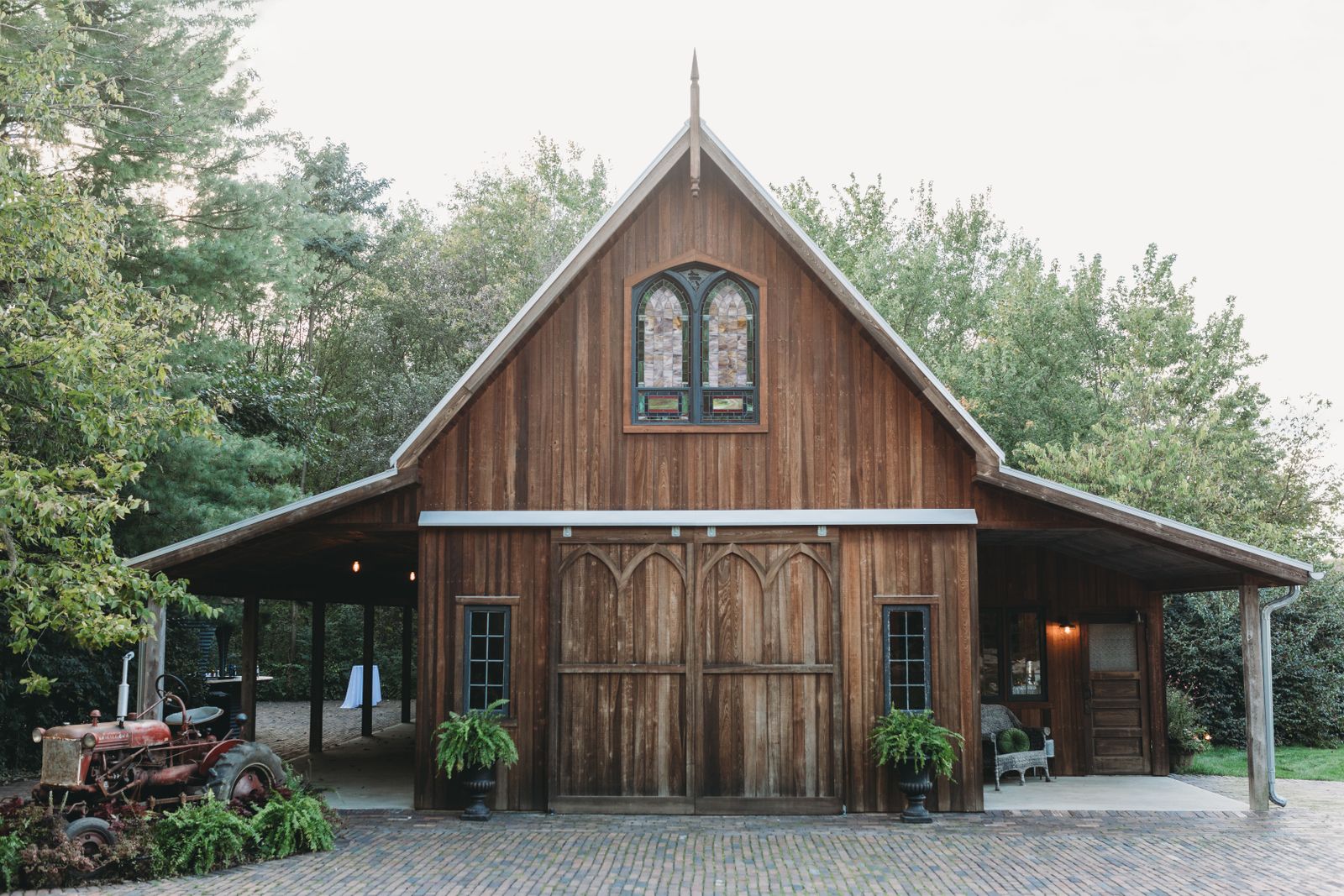
Big-city choice: Detroit and Grand Rapids
Depth buys you three things in the metros. First, format range: Detroit supports true specialists — documentary shooters for downtown loft weddings, classic portraitists for the suburban ballroom circuit, photo-and-film teams whose combined packages start around $3,600. Second, a bench: a studio with associates can cover an illness without changing your photographer's name a week out. Third, negotiating structure — in a market with forty credible alternatives, packages bend: an hour traded for an album, an engagement session folded in.
Grand Rapids deserves its own sentence because it behaves like a big city with small-town manners. Its published starting prices run lower than Detroit's, its photographers routinely include planning help and timeline guidance in collections, and its gallery delivery promises — four to six weeks at one established studio — are stated up front. West Michigan couples also sit within easy reach of the Lake Michigan shore towns, so a Grand Rapids photographer with a Holland, Grand Haven or South Haven portfolio brings resort-shore experience without resort-shore pricing.
The metro downsides are the familiar ones: peak Saturdays from May through October book a year or more ahead at the known names, and the most packaged studios sell a product, not a relationship — the associate who shoots your wedding may meet you that morning. Ask, and get the answer in the contract.
Small-town reality: thin lists, long memories
In a Michigan small town, the photographer's market position rests on something no directory can fake: everyone at your wedding has seen their last ten weddings. The working reality follows from that. Shortlists are short — sometimes two or three names within a half-hour's drive. Waiting lists for prime fall Saturdays are real. And the service culture is personal in a way metro couples find startling: the photographer who shot your sister's wedding, knows your venue's owner, and will drive the gallery over on a USB drive because that is how it is done there.
Tactics that work in this market: book earlier than city advice suggests, because there is no second page of search results; be flexible on hours rather than rate, since a solo operator's Saturday is worth more to them than their Tuesday pricing logic; and verify the unglamorous things a thin market cannot backstop — backup gear, a named second if they fall ill, and file backup practices. A Detroit studio has redundancy built in. A one-person business has it only if they built it themselves, so ask.
One more small-market truth, from the studio side of the counter: small-town photographers price with their whole year in view. A discount taken in February is remembered in October. Couples who negotiate respectfully — scope, not just price — get the flexibility; couples who grind get the contract minimum. It is a small town. That is not a warning. It is the mechanism.
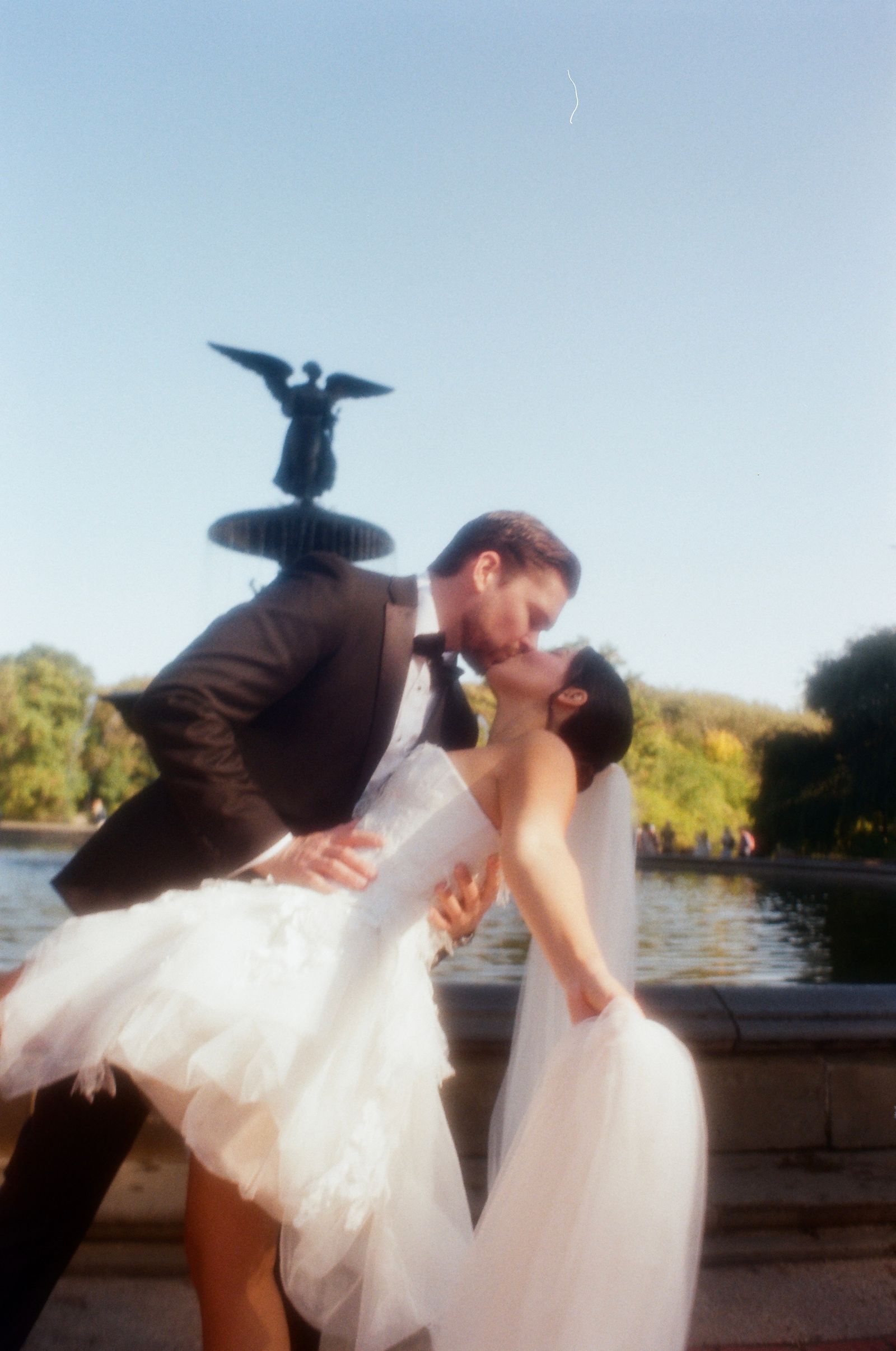
Season: a short summer and a long, beautiful fall
Michigan's wedding season is compressed by weather and priced by it. Peak runs May through October, with Detroit-area photographers naming those months plainly as the high season. June through September is lake season — beach ceremonies on both coasts, Traverse City and the Leelanau Peninsula at full destination markup, sunset after 9 p.m. in midsummer on the west shore, which pushes portrait time gloriously late and dinner later. Late September and October trade the lake for color: peak fall foliage in the northern Lower Peninsula and the UP arrives weeks before it reaches Detroit, and it is the small-market photographer's busiest fortnight of the year.
Winter is the state's open secret. November through April, availability opens up everywhere, some photographers discount, and a fresh-snow wedding photographs like nowhere else in the Midwest — at the price of darkness by 5:30 p.m., lake-effect squalls that can white out a highway between ceremony and reception, and the need for a photographer whose portfolio proves they can light a room, because in a Michigan winter, the room is most of the wedding.
The Michigan tax line, and other contract notes
Michigan charges 6 percent sales tax on tangible personal property — and that distinction runs straight through a photography contract. The photographer's service is one thing; the physical goods are another. Prints, albums and other tangible deliverables carry the tax question in a way a purely digital delivery does not, so the practical move is simple: ask how your package is taxed, line by line, before you sign, and make sure the invoice matches the answer. On a package with a substantial album, the difference is real money, and "we'll sort the tax out later" is how it becomes a surprise.
The rest of the Michigan checklist:
- Travel, itemized: mileage or flat fee, hotel for UP and far-northern weddings, and the bridge/weather clause for anything across the Mackinac.
- Retainer and date-holding: what holds your Saturday, and whether the retainer is refundable if the photographer cancels — a question that matters more with a solo operator.
- Delivery window in writing: four to six weeks is a fair Michigan benchmark in season; get yours stated, not implied.
- Second photographer: priced as an add-on almost everywhere in the state; worth it above roughly 120 guests or any day split across two locations.
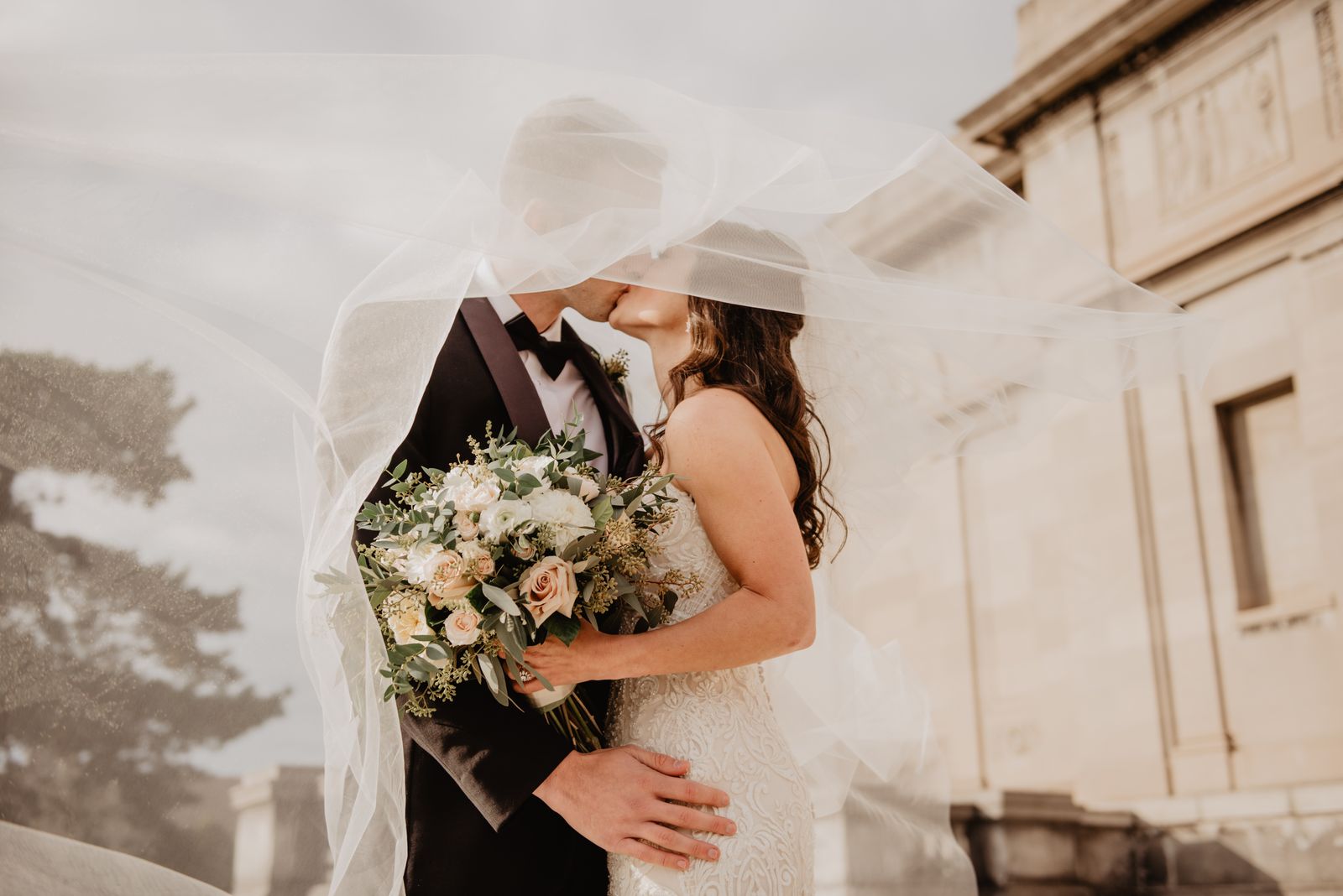
Choosing, Michigan-style
Start with the map, honestly drawn. If your wedding is in metro Detroit or Grand Rapids, use the depth: interview across the bands, make the studios compete on scope, and take the bench a multi-photographer business offers. If your wedding is on the resort shore, book Traverse City early and expect to pay the state's premium for its shortest season. And if your wedding is in a small town or anywhere in the Upper Peninsula, start with the photographers who already work there — start with the more than 560 wedding photographers listed here and filter by the place itself, not the nearest city — verify their backups like a professional, and book them before the fall Saturdays go. In Michigan, the couples who get this right are the ones who stop asking where the best photographers are, and start asking who is best within the distance the state actually allows.
Sources
- The Knot 2026 Real Weddings Study — national average wedding photographer spend of $3,000.
- Zola, Michigan wedding photographers — typical Michigan spend of about $2,900 for a 100-guest wedding; Traverse City the state's priciest market and Novi the least expensive, about 17 percent apart.
- The Wedding Report — Grand Rapids couples spend about $2,111–$2,580 on a wedding photographer.
- Alice Heart Photography, Detroit cost guide — Detroit average spend of roughly $3,000–$3,700; bands of $2,000–$4,000, $4,000–$7,000 and $7,000–$10,000-plus.
- J&B Patton Photography — Michigan prices beginning near $2,000; Detroit peak season May through October.
- Creative Capture Photography, Grand Rapids — published collections from $950 for four hours to $1,950-plus for a full day; gallery delivery in four to six weeks.
- Michigan sales tax — 6 percent rate applied to tangible personal property, the basis for the prints-and-albums tax discussion.
Photos: barn venue — photo by Steven Van Elk, https://www.pexels.com/photo/10172875/ ; newlyweds at a fountain — photo by Sarah O'Shea, https://www.pexels.com/photo/19713822/ ; couple under a veil — Pexels photo 2253870, https://www.pexels.com/photo/2253870/
More guides
- How to Find a Wedding Photographer: The Complete, Honest GuidePhotographers › Wedding Photographers
- How Much Does a Wedding Photographer Cost? Packages DecodedPhotographers › Wedding Photographers
- 10 Questions to Ask a Wedding Photographer Before You BookPhotographers › Wedding Photographers
- Wedding Photography Styles Explained: Documentary, Editorial, Traditional, Fine ArtPhotographers › Wedding Photographers
- Hiring a Wedding Photographer in California: Venue Light, Permits, and Price LevelsPhotographers › Wedding Photographers
- All Guides & ArticlesBrowse the full guides library