Photographers › Wedding Photographers
Wedding Photography Across Montana: Big-City Choice vs. Small-Town Reality
Booking photographers for events is my job, and Montana is the state that most reliably humbles a booking spreadsheet. The distances are not a detail. Bozeman to Whitefish is about 300 miles. Billings, the state's largest city, is a full day's logistics away from Glacier National Park. A ranch venue that looks close to a town on a map may be forty minutes of gravel from the pavement. So the Montana question is never just "whose work do we like?" It is "whose work do we like, who is actually based within reach of this venue, and what does getting them there — fed, rested and backed up — add to the bill?"
This guide compares Montana's metro benches — Bozeman, Billings, Missoula and the Flathead — against its small-town reality, with the real published prices, the permit rule that governs Glacier ceremonies, and the tax quirk that quietly makes Montana quotes more honest than most states'. This site lists 564 wedding photographers; in Montana, the useful filter is not style first. It is geography first, style second.
The price picture, by tier and by town
Montana reads cheap in national averages and is not. One Bozeman photographer's 2026 breakdown puts the average Montana wedding photographer at $3,000–$4,000, but warns the average mixes a $400 beginner with the professionals couples actually hire, and puts proper full-day coverage at $4,000–$8,000 for most couples. His tier table is the cleanest published summary in the state:
| Level | Starting price | Typically includes |
|---|---|---|
| Associate / entry | $2,000–$3,500 | 8 hours, online gallery |
| Professional | $4,000–$6,000 | 8 hours, second shooter, engagement session |
| Boutique / luxury | $6,000–$12,000+ | Full day, second shooter, album, custom experience |
Published packages elsewhere in the state line up with that shape. A western Montana operator lists full-day packages at $2,600, $3,800 and $5,000, with an intimate package at $1,400 available only in Missoula — a small, telling detail: the cheapest tier exists only where the photographer does not have to travel. Near Glacier, elopement photography starts at $2,800–$3,900 with photography-only providers and at $5,000 for collections that add an officiant, flowers and cake; all-inclusive ranch elopements in Big Sky and Philipsburg run $5,000 to $20,000 before rooms. Marketplace listings for the Flathead and Glacier area show starting prices clustering between $1,500 and $4,200, which is the entry and associate tier doing what it does everywhere.
Where you marry moves you between those tiers as much as taste does. Big Sky is a destination market and prices like one — photographers who work it regularly charge at the top of each range because the couples flying in expect that level and the venues demand it. Bozeman and the Flathead have the deepest benches and therefore the widest spread, from genuine $2,000 associates to $12,000 boutiques. Billings and Great Falls, serving more local and fewer destination weddings, sit closer to the professional middle. And in the small towns — Red Lodge, Livingston, Anaconda, Butte, Helena's outskirts — the local photographer, where one exists, often prices at the associate-to-professional boundary for work that is not associate-level at all. You are not paying for a marketing department. You are also not getting one, which cuts both ways when something goes wrong.
What the metros actually sell: a bench
Bozeman, Missoula, Billings and the Kalispell–Whitefish corridor give you the things a professional booker pays for without thinking: choice of lead photographer, a second shooter who has worked with that lead before, an associate who can cover if the lead is ill, and a studio that has shot your venue in your season. In a state with roughly twenty peak Saturdays — the season runs about May through October, with June to mid-September the true peak — that bench is not a luxury. Peak dates in the Bozeman, Big Sky, Whitefish and Glacier areas book twelve to eighteen months out, and the photographers with benches book first.
The metro premium is real but legible: travel is usually included inside a home radius, second shooters are line items rather than favors, and contracts tend to be complete — backup clauses, delivery windows, smoke and weather language — because metro studios have been burned by all of it before.
Small-town reality: one name, deep roots, thin backup
Outside the hubs, the market thins to a person. That person may be superb — the photographer in a ranching town who has shot three generations of the same families, who knows that the light over this particular valley goes gold at 7:40 in late June and that the wind arrives at four. What they cannot offer is redundancy. If they are ill, there is no associate. If you need a second shooter, they are importing one, at cost. If their car dies on a gravel road — a sentence no coastal booker has ever had to write — your contingency plan is a guest with a phone.
None of that is an argument against hiring them. It is an argument for papering a small-town booking like a professional: a named backup or a defined refund-and-release clause if they cannot shoot; travel and lodging for the photographer written as line items rather than assumed; and a delivery window in the contract, because a solo operator's editing queue in October, after a twenty-Saturday season, is a real thing. Budget guidance for Montana weddings puts vendor travel and lodging at $1,000–$3,000 when a venue sits more than about 45 minutes from a regional hub. Expect your photographer to be inside that arithmetic, and ask to see it, rather than discovering a travel invoice in September.
The other small-town tactic is timing. Shoulder season — late May, late September, early October — is Montana's sweet spot: venues and photographers discount against peak, the light is lower and better, and the two peak-season hazards, August wildfire smoke and July afternoon thunderstorms, mostly step aside. The trade is cold: late September can bring surprise snow at elevation, and a professional booker treats a tent or indoor backup as base budget in Montana in any month, not as a contingency.
Glacier: the permit is the booking
Glacier National Park deserves its own section because it operates on rules, not vibes, and couples lose dates to them. Every wedding ceremony or vow exchange inside the park — full wedding, elopement, two people and a photographer on an empty shoreline — requires a Special Use Permit from the National Park Service. The application fee is $125 and non-refundable. Applications are accepted no more than one year ahead, and the park's minimum is 20 business days. Ceremonies happen only at 32 pre-approved locations, each with a strict group limit — commonly 15 people in total, up to 30 at a few sites such as Two Medicine and Lake McDonald Lodge — and the count includes your officiant, your photographer and your videographer. The ceremony window is two hours, maximum. Drones are prohibited parkwide. Arches, runners and scattered petals are prohibited too; up to four chairs is roughly the scale of setup the park allows.
Two facts save couples money and panic. First, under the park's current rules, photography of a permitted wedding does not need a separate filming or photography permit — your photographer is covered by working your permitted ceremony. Second, the permit is not park admission: your group still needs entrance passes, $35 per private vehicle for seven days in the regular season. A photographer who works Glacier regularly will walk you through all of this in the first call, will insist you name a backup ceremony location on the application — road closures void access, and the permit does not open a closed road — and will have shot your site in your month. If a Glacier quote treats the permit as an afterthought, that photographer is learning the park on your wedding day. Hire someone else, or hire a Flathead local, for whom this is paperwork they file monthly.
The tax advantage nobody markets
Montana has no general sales tax — one of the few states that does not impose one — and local jurisdictions cannot add one. For photography, that means the quoted price is the price: no percentage line appears on the invoice for the package, the album or the USB drive, of the kind that surprises couples in most other states. On a $50,000 Montana wedding, budget guides estimate the absence of sales tax is worth roughly $2,500–$3,500 against a comparable taxed state. The taxes that do exist are narrower: a state lodging tax — venues quote it at 8 percent on overnight accommodation in some cases, combining the state accommodations tax and facility use tax — and local resort taxes of about 3 percent in places like Big Sky and Whitefish that fall on lodging and some local sales. So the tax conversation with a Montana photographer is mercifully short: ask whether any resort tax applies to anything in your package where you are marrying, accept the one-sentence answer, and move on to the clauses that matter — backup, smoke, travel and delivery.
Booking order, for people who book for a living
The sequence I use professionally in Montana, in order: venue and date first, because the venue's distance from a hub determines the photographer market you are shopping in. Photographer immediately second — fourteen to eighteen months out for a peak Saturday near Bozeman, Big Sky, Whitefish or Glacier; a small-town name you love should be booked before the date is treated as fixed. Travel, lodging and backup in the contract, as named line items and named people, not assurances. Permit next, if Glacier or another permitted site is involved, filed inside the one-year window with a backup location chosen as carefully as the first. Smoke and weather language last but in writing: what happens to the timeline, the portraits and the fee if August smoke closes the view or a storm closes the road.
Do that, and Montana's small-town reality stops being a risk to manage and becomes the thing couples came for in the first place: a photographer who knows one valley completely, working in light that Lower 48 studios would charge a destination fee to chase.
Sources
- Charles Moll Photography, How Much Does a Wedding Photographer Cost in Montana (2026) — average of $3,000–$4,000, professional full-day coverage at $4,000–$8,000, and tier table from $2,000 associate to $6,000–$12,000+ boutique.
- Life as a Voyager, Montana wedding pricing guide — full-day packages at $2,600, $3,800 and $5,000, with a $1,400 intimate package available only in Missoula.
- North Star Ranch, Montana elopement packages compared (2026) — photography-only elopements from $2,800, Glacier-area collections from $5,000, ranch elopements $5,000–$20,000 before rooms, and the $125 Glacier permit fee.
- National Park Service, Glacier National Park wedding and film permits — Special Use Permit required for all ceremonies, $125 non-refundable application fee, 32 approved locations, group limits counting photographers, two-hour ceremony limit, drone prohibition, and no separate photography permit for a permitted wedding.
- Montana Department of Revenue and Sovos Montana sales tax guide — no general state sales tax and no local sales taxes; taxes limited to accommodations, campgrounds and rental vehicles, with local resort taxes in communities such as Big Sky and Whitefish.
Photo credits
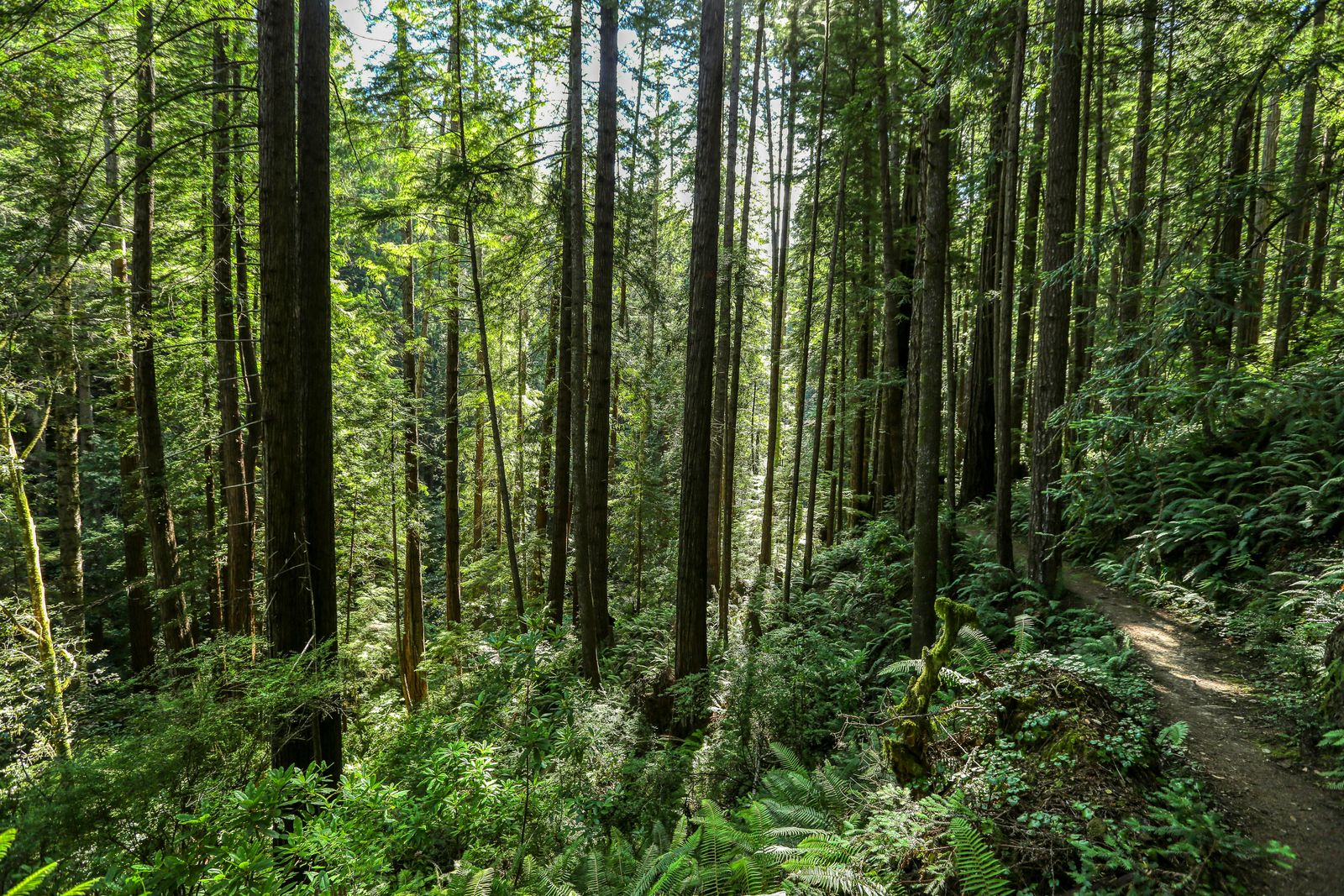
- Forest in soft light — photo by Mick Haupt, https://www.pexels.com/photo/green-plants-and-trees-in-a-forest-5586120/
- Couple by the water at sunset — photo by Giuseppe Messina, https://www.pexels.com/photo/a-couple-having-a-beach-wedding-4364780/
- Couple toasting in celebration — photo by Lilen Diaz, https://www.pexels.com/photo/joyful-wedding-couple-toasting-in-mendoza-vineyard-31531920/
More guides
- How to Find a Wedding Photographer: The Complete, Honest GuidePhotographers › Wedding Photographers
- How Much Does a Wedding Photographer Cost? Packages DecodedPhotographers › Wedding Photographers
- 10 Questions to Ask a Wedding Photographer Before You BookPhotographers › Wedding Photographers
- Wedding Photography Styles Explained: Documentary, Editorial, Traditional, Fine ArtPhotographers › Wedding Photographers
- Hiring a Wedding Photographer in California: Venue Light, Permits, and Price LevelsPhotographers › Wedding Photographers
- All Guides & ArticlesBrowse the full guides library