Photographers › Wedding Photographers
Wedding Photography Across New Hampshire: Big-City Choice vs. Small-Town Reality
New Hampshire is a small state with a large neighbor. Portsmouth and Manchester are each about an hour from Boston without traffic, the Lakes Region about two hours, the White Mountains closer to three — which means every New Hampshire wedding exists in two markets at once. There is the local market: photographers based in Dover, Goffstown, Belmont, Plymouth and a dozen other towns, working barns, inns and lake houses. And there is the Boston market, an hour south, with big-city benches, big-city prices and a long-standing habit of treating southern New Hampshire as its countryside. Booking photographers professionally in this state means knowing which market you are actually shopping in, because the same Saturday can carry two very different price tags.
This guide compares the two honestly: what New Hampshire's own photographers charge, what Boston imports add and when they are worth it, how the foliage calendar bends every price in the state, and the tax and permit details that are genuinely New Hampshire's. This site lists 564 wedding photographers — in a state this size, your shortlist will be shorter, and that is fine. The work is in choosing well from it.
The local bench: real, mid-priced, and personal
New Hampshire's own market clusters in a band that will look sane to anyone who has priced Boston. Marketplace listings for Manchester show starting prices running from about $1,600 to $3,500 for most established local photographers, with a Portsmouth and Seacoast list showing much the same shape: many names starting between $2,000 and $2,950, established studios at $4,300 to $5,000, and a top tier reaching $7,000. Those are starting prices — full-day packages with a second photographer, an album and peak-season dates sit above them — but the center of the market is clear: a competent, experienced New Hampshire photographer for a full day generally lives in the $2,500–$5,000 conversation, not the $8,000 one.
The structure of the market matters as much as the prices. Most New Hampshire photographers are solo operators or small family studios. The state's one larger pattern is the husband-and-wife or family team — two photographers who always work together — which quietly solves the second-shooter problem that solo operators elsewhere charge extra for. What the local bench rarely offers is depth behind the lead: there is no associate pool in Dover. Which brings us to the contract point that matters most in a lightly licensed state. New Hampshire does not license photographers, so there is no state credential to lean on and no regulator behind the business. Your protection is entirely the paper: a signed contract naming who shoots, who replaces them if they cannot, when the gallery arrives, and what the retainer buys. In Massachusetts you might get away with a handshake and a big studio's reputation. In New Hampshire, the contract is the reputation check. Ask for references from venues, not just couples — venue managers in the Lakes Region and the Whites have watched every local photographer work, and they will tell a booker the truth in one phone call.
The Boston spillover: what an import buys, and what it costs
Boston photographers serve New Hampshire openly — some maintain dedicated New Hampshire pages, quote travel from the venue address, and shoot the Seacoast and southern tier monthly. Their published New Hampshire tiers can look startlingly competitive: one Boston-based photographer lists New Hampshire elopements at $1,050 for two hours, a five-hour package at $1,500 and an eight-hour full day with two photographers at $2,100. At the established end, Boston names price New Hampshire the way they price Massachusetts — which is to say, above the local median.
So when is the import the right buy? Three cases. Your venue is in the southern tier — Portsmouth, the Seacoast, Nashua, Manchester — where Boston is genuinely local, travel is an hour, and the import's bench (second shooters, associates, a studio behind them) is a real advantage for a 200-guest wedding. You want a specific style the local bench does not offer — a particular editorial or film look — and you have verified it in full New Hampshire galleries, not a service-area page; the honest Boston photographers say plainly when they have not yet published a New Hampshire wedding, and you should weight that honesty correctly: it means you are buying their Massachusetts work and their word. Your wedding is large or logistically split — ceremony and reception in different towns, a common pattern in southern New Hampshire's farm and inn venues — where a two-photographer team coordinating across locations is worth paying for.
When is it the wrong buy? In the White Mountains and the far north, where the "import" is driving three hours each way, has never shot your venue in mountain weather, and will charge travel and lodging that erase any price advantage — while a Plymouth or North Conway photographer, starting around $1,000–$2,800 on local listings, shoots that weather monthly. Distance is a quality issue before it is a price issue: a photographer who has to learn the Kancamagus in October traffic on your wedding day is spending attention you paid for on logistics.
| Market | Typical starting range | What you are really buying |
|---|---|---|
| Southern NH locals (Manchester, Nashua, Seacoast) | $1,600–$3,500 to start; $2,500–$5,000 full day | Local venue fluency, no travel line, personal service |
| Established NH studios | $4,300–$7,000 to start | Bench, second shooters, album craft, peak-date reliability |
| Boston imports, southern tier | Competitive at entry ($1,050–$2,100 published tiers); premium at the top | Depth and style range, one hour away |
| White Mountains / Lakes locals | $1,000–$2,800 to start | Mountain and lake weather fluency money cannot import |
Foliage is the peak, and it prices like it
Every state has a season. New Hampshire has a fortnight. Peak wedding demand in New Hampshire is late September through mid-October, when fall color moves from the high country southward — late September to early October at the highest elevations, mid-to-late October on the Seacoast and in the Merrimack Valley — and June, the other premium month. Budget analyses for Manchester weddings put foliage and June premiums at 15 to 25 percent on venue and photography, with fall weekends booking twelve to eighteen months out. The photographer's version of that premium is simpler: the two or three foliage Saturdays are the most contested dates in the state's calendar, the best names go first, and there is no waiting list worth trusting.
The counter-moves are real. November through April Saturdays can save $2,000–$4,000 across a wedding budget, and a Friday or Sunday typically drops another 10 to 20 percent — winter in the Whites, shot by someone who knows snow light, is a genuinely beautiful product and an underpriced one. Shoulder foliage — the week before peak in the north, the week after in the south — buys most of the color at less than the peak premium. And if your heart is set on a foliage Saturday, book the photographer before the venue finishes its paperwork, not after: in this state, in October, photographers are the scarcer resource.
Weather is the other half of the calendar. Mountain weather in the Whites changes quickly at any season; a North Conway or Bretton Woods timeline needs travel slack between getting ready, ceremony and reception, and a photographer who builds it in without being asked. Outdoor ceremonies are realistic from May through mid-October. Outside that window you are buying an indoor wedding with outdoor portraits if you are lucky — price and plan it as such.
Permits: parks and the national forest
Two permit regimes catch New Hampshire couples out, because both are easy to assume away. New Hampshire State Parks — and the state has wedding-sized parks on lakes, mountains and the Seacoast — ask couples to work with the park manager on date, space and cost, and a Special Use Permit may also be required. That is a conversation to have before the photographer is booked, not after, because the permitted window shapes the timeline. White Mountain National Forest requires a group use permit when a gathering involves 75 or more people, spectators included, with the application sent to its Special Use Team 45 days before the event. A 120-guest ceremony at a forest-adjacent site can cross that line without anyone noticing until a ranger does. Your photographer may know these rules — the ones who shoot the Whites regularly do — but the permit is the couple's responsibility unless the contract says otherwise in so many words. Put a name next to it.
No sales tax — and the one tax that does apply
New Hampshire has no general sales tax, and never has. For photography that means the cleanest invoices in New England: no tax line on the package, the album or the prints, which budget guides estimate saves roughly $1,000–$1,500 against the same wedding across the border in Massachusetts. The one tax that does touch a New Hampshire wedding is the state's Meals and Rentals Tax — 8.5 percent, per the Department of Revenue Administration — assessed on meals, rooms and vehicle rentals. It will appear, correctly, on your catering and lodging lines. It does not apply to your photographer's fee. If a photography quote carries an 8.5 percent "tax," ask what it is for; if a catering quote lacks it, ask why. Both questions have one-sentence answers from legitimate businesses.
Because the state leans light on licensing generally, the rest of your protection is the standard professional kit, insisted on in writing: a contract with a named backup, a delivery window, copyright and print-release terms stated plainly, and a retainer — commonly a third to a half — that both sides understand to be booking a date in a very short peak season.
The booking order that works here
Professionally, I book New Hampshire in this order. Decide your market first: southern tier, where Boston is a legitimate option, or north of Concord, where local is almost always the right answer. Book foliage and June dates twelve to eighteen months out, photographer before venue paperwork wherever the photographer is the scarcer name. Paper the small-market risk: named backup, delivery window, permit owner — state park or national forest — written into the contract. Use the tax shape: no sales tax on photography is real money; spend a slice of the saving on the second photographer or the album rather than pretending it was never there.
New Hampshire rewards couples who treat it as its own market instead of Boston's backyard or a generic New England backdrop. Its photographers are priced fairly, its light — foliage, snow and lake glare alike — is unlike anywhere else in the region, and its rules fit on an index card. Learn the card, hire the local whose full galleries prove the season you are marrying in, and the small-state bench stops looking thin. It starts looking like what it is: the right size for the weddings actually held here.
Sources
- The Knot, Manchester and Portsmouth, NH wedding photographer listings — starting prices for New Hampshire photographers, clustering from $1,600–$3,500 in Manchester with established names at $4,300–$7,000.
- Muyinza Photography, New Hampshire wedding photography — Boston-based service-area pricing for New Hampshire ($1,050 elopement, $1,500 five-hour, $2,100 full day), Boston-to-region drive times, and state park and White Mountain National Forest permit summaries.
- U.S. Forest Service, White Mountain National Forest — group use permit required for gatherings of 75 or more people, application 45 days in advance.
- New Hampshire Department of Revenue Administration, Meals and Rentals Tax booklet — 8.5 percent tax on meals, rooms and vehicle rentals; New Hampshire has no general sales tax.
- WeddingBot, Manchester, NH wedding budgets — foliage (late September–mid-October) and June premiums of 15–25 percent, off-season savings, and the estimated $1,000–$1,500 sales-tax saving against Massachusetts.
Photo credits
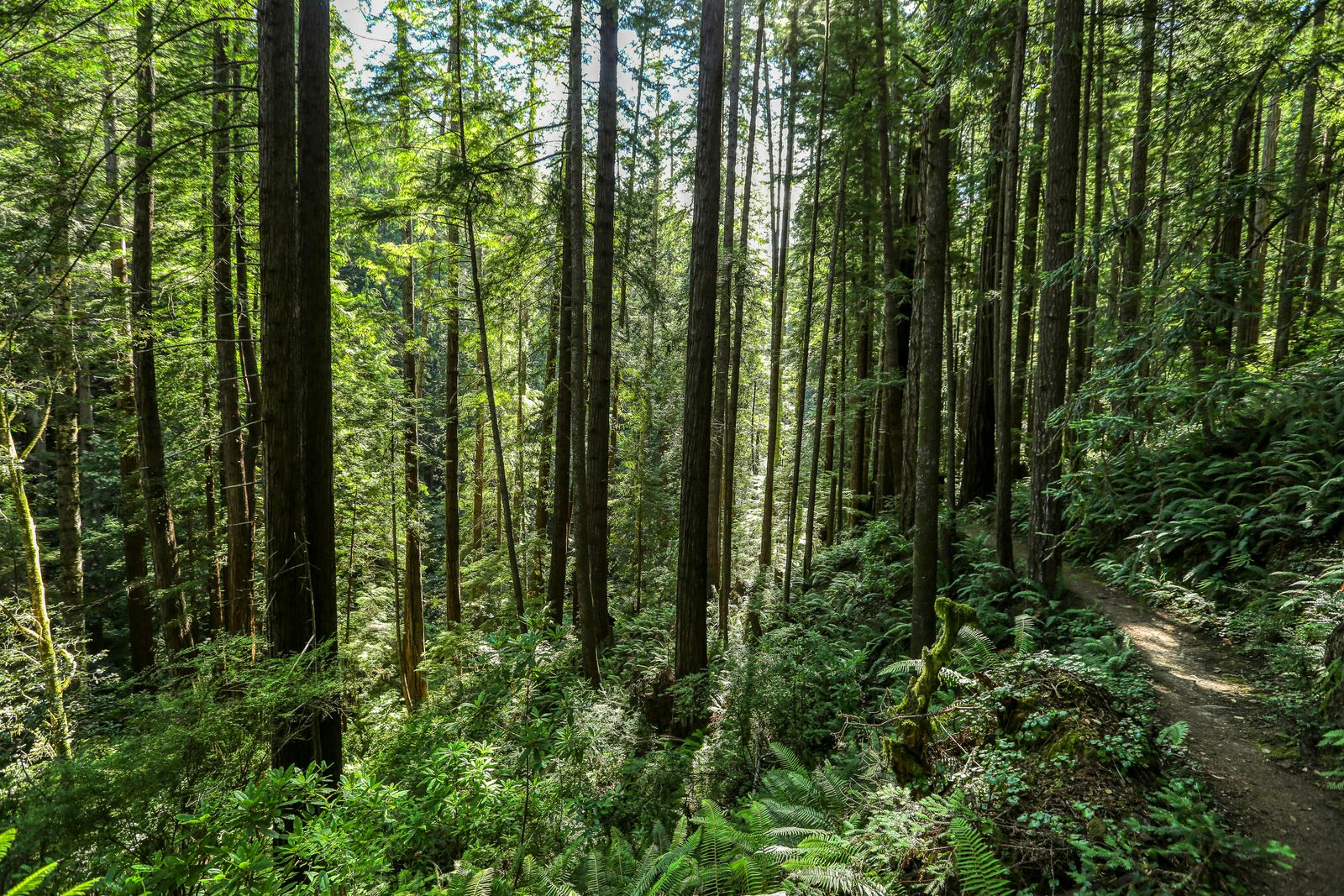
- Forest in filtered light — photo by Mick Haupt, https://www.pexels.com/photo/green-plants-and-trees-in-a-forest-5586120/
- Couple by the water at sunset — photo by Giuseppe Messina, https://www.pexels.com/photo/a-couple-having-a-beach-wedding-4364780/
- Bright inn interior — photo by Max Vakhtbovych, https://www.pexels.com/photo/sofa-with-cushions-in-living-room-5998023/
More guides
- How to Find a Wedding Photographer: The Complete, Honest GuidePhotographers › Wedding Photographers
- How Much Does a Wedding Photographer Cost? Packages DecodedPhotographers › Wedding Photographers
- 10 Questions to Ask a Wedding Photographer Before You BookPhotographers › Wedding Photographers
- Wedding Photography Styles Explained: Documentary, Editorial, Traditional, Fine ArtPhotographers › Wedding Photographers
- Hiring a Wedding Photographer in California: Venue Light, Permits, and Price LevelsPhotographers › Wedding Photographers
- All Guides & ArticlesBrowse the full guides library