Photographers › Wedding Photographers
Wedding Photography Across North Carolina: Big-City Choice vs. Small-Town Reality
North Carolina contains at least three wedding industries wearing one name. There is the Charlotte and Raleigh industry: dozens of studios, second shooters on call, albums delivered by courier. There is the Asheville and Outer Banks destination industry, where couples fly in and photographers price accordingly. And there is the small-town industry — the Triad's smaller cities, the Sandhills, the counties east of I-95 and west of Asheville — where one trusted photographer may shoot most of the weddings worth photographing within forty miles, and be booked out a year ahead precisely because there is nobody else.
The work is the same work in all three. The choice, the waiting, the travel maths, and the leverage you have as a couple are not. I assisted in more than one of these markets, and the differences were never about talent. They were about what happens around the talent.
What it costs, statewide — and why the statewide number misleads
Start with the honest baseline. A study of twenty North Carolina photographers' own published price lists, checked in November 2026, found a median starting price of $3,500 for full-wedding coverage, with the middle half of photographers starting between $3,150 and $4,650. Full-day packages of seven to nine hours had a median of $4,000, the median rate worked out to about $525 an hour, and the median published delivery time was seven weeks. Zola's vendor data puts typical couple spending in the state at around $3,000 for a 100-guest wedding — roughly 9 percent of the average total wedding budget.
Inside those medians sits a spread the medians hide. On the same twenty price lists, Raleigh starting prices ran from $1,500 to $8,000. Charlotte produced both a $2,299 starting price and an $8,000 one. One established Charlotte photographer publishes six hours with one photographer from $1,795, eight-hour two-photographer coverage at $3,195, and extra hours at $275. In other words, the city does not make a photographer expensive. It gives you the whole range at once — and makes you do the sorting.
| Market | What the published prices look like | What actually drives them |
|---|---|---|
| Raleigh / Triangle | Starts from $1,500 to $8,000; deep bench at $3,000–$5,000 | Volume of studios, tech-sector demand, university and vineyard venues |
| Charlotte | Starts from about $1,795 to $8,000 | Ballroom and corporate-hotel weddings, Lake Norman estates |
| Asheville | Zola identifies it as the state's priciest area | Destination demand, mountain venues, Biltmore-area premium |
| Coast (Wilmington, Outer Banks) | Mid-range starts, destination pricing at the top | Beach-house wedding weeks, travel, hurricane-season risk |
| Small towns and rural counties | Fewer published lists; word-of-mouth pricing, often below metro medians | Scarcity, relationships, and travel in both directions |
Zola's comparison puts Asheville at the top of the state and Holly Springs, a Raleigh suburb, near the bottom, with about an 18 percent gap between them. That gap is real but modest compared with the gap inside a single city — which is the first lesson of North Carolina wedding photography: market matters, but the individual photographer's position in that market matters more.
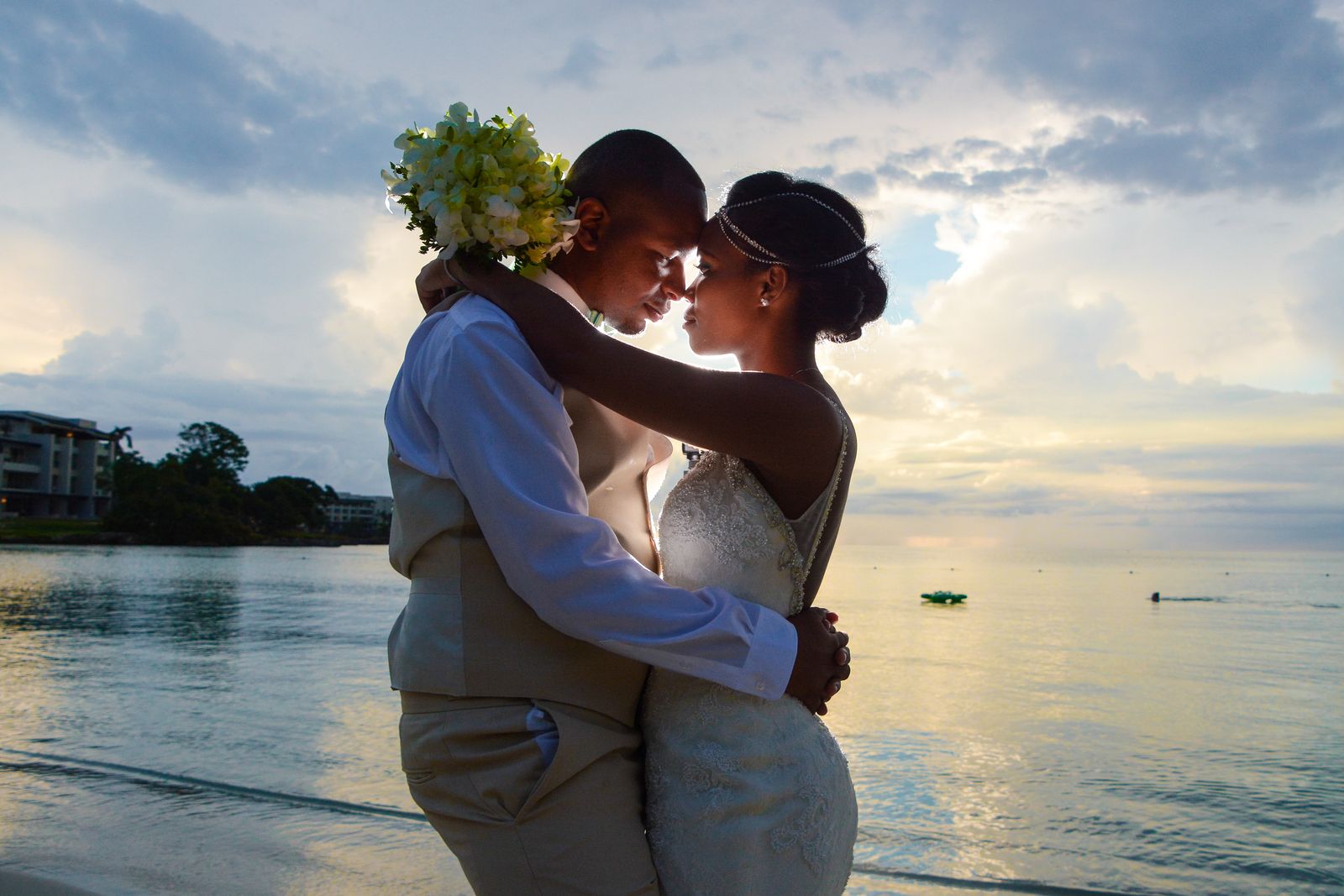
Big-city choice: abundance, and the work it creates for you
In Charlotte, Raleigh, Durham, and Greensboro, the problem is not finding a photographer. This site lists 564 wedding photographers across the country in its specialist category, and North Carolina's metros hold a dense share of the state's working studios. The problem is filtering.
Abundance buys you three things. First, style choice: documentary, editorial, film, fine-art, and traditional posed work are all available within a short drive, so you never have to ask a photographer to imitate a style that is not theirs — the single most reliable predictor of disappointment I saw from the assistant's chair. Second, redundancy: a metro studio can usually produce a competent second shooter, a backup body, and, if disaster strikes, a substitute. Third, negotiating texture: with several credible quotes in hand, extras — an engagement session, an extra hour, a parent album — become genuinely negotiable.
Abundance costs you two things. Decision time, obviously. And peak-date scarcity that surprises couples who assumed a big market meant easy booking: for spring and fall Saturdays, North Carolina vendors commonly book six to twelve months out, and the most sought-after metro names go first. A big city gives you fifty photographers and, on the second Saturday of October, perhaps four who are both free and good.
Small-town reality: fewer names, different rules
In a small market the shortlist may be three names long, and everyone at your venue has used two of them. That changes the transaction in ways that are not all bad.
Waiting times invert. The best small-town photographer is not cheaper because demand is low; she is often booked further ahead than a mid-tier metro studio, because there is no bench behind her. Ask early — a year is not excessive for a peak Saturday — and treat a short wait as a question to investigate, not a bargain to celebrate.
The portfolio check matters more, not less. With fewer weddings to show, ask to see one complete gallery from a wedding like yours, in a venue like yours. A small-town photographer who has shot your exact barn, church, or beach house forty times knows where the light dies at 6 p.m. and where the rain pools. That local repetition is a genuine product, and metro photographers flying in do not have it.
Relationships are the enforcement mechanism. In a metro, a contract protects you. In a small town, a contract plus the photographer's standing in the community protects you — most local photographers guard that standing fiercely, because it is their entire marketing department. Use it respectfully: be the couple they want to brag about, and say clearly, in writing, what delivery time and file formats you expect, because informal markets run on assumptions until somebody writes something down.
Travel runs both ways. If the local bench truly cannot give you the style you want, importing a metro photographer is normal — Charlotte and Raleigh photographers publish service areas covering most of the state — but price the whole import: travel fees, mileage or a flat travel charge, possibly a hotel night for a late finish far from home, and a second shooter's travel too. Conversely, a small-town photographer travelling to your metro wedding may quote keener than metro studios; ask what the travel line is rather than assuming it eats the saving.
The North Carolina specifics nobody puts in the brochure
Sales tax applies to your photographs — including digital ones. North Carolina taxes "certain digital property," and the Department of Revenue's own list includes a photograph transferred electronically. A Department ruling addressed exactly this trade: receipts from newly created digital images delivered electronically are subject to sales and use tax as if sold in a tangible medium. Combined state and local rates typically run from 6.75 to 7.5 percent depending on county. So when one quote is tax-inclusive and another adds tax at signing, the second quote is not 7 percent more expensive — it is the same price, presented differently. Compare totals, and expect prints and albums to be taxed as tangible goods in any case.
Hurricane season is a photography issue, not just a venue issue. The Atlantic season runs June 1 to November 30, peaking around September 10, and the coast — Outer Banks, Crystal Coast, Wilmington — takes the direct risk; N.C. Highway 12 closures can strand a photographer's route to Hatteras as surely as they strand guests. For a coastal date in that window, your photography contract needs the same weather architecture as your venue contract: who may call a postponement, on what forecast basis, what happens to the retainer, and whether your date moves with your photographer or you rebook from whoever is free. Inland, the risk is remnants — days of rain, flooding on low roads, power cuts in rural areas — which argues for a photographer with a real rain portfolio and lighting that does not depend on windows.
Permits follow the pretty places. Weddings and portrait sessions on National Park Service land — the Blue Ridge Parkway, Great Smoky Mountains National Park, Cape Hatteras National Seashore — generally require a special use permit, arranged with the park well ahead. If your dream portrait stop is a Parkway overlook, the permit conversation belongs in your first call with the photographer, because the photographer is usually the one who knows which overlook, which form, and how long it takes.
Peak season is a pincer. Demand piles into April to June and September to November — mild Piedmont weather, mountain foliage, and the coast at its best — which is also, in the fall, hurricane season at its peak. October in North Carolina is simultaneously the most beautiful, most booked, and, on the coast, most weather-exposed month. Price and availability both know it.
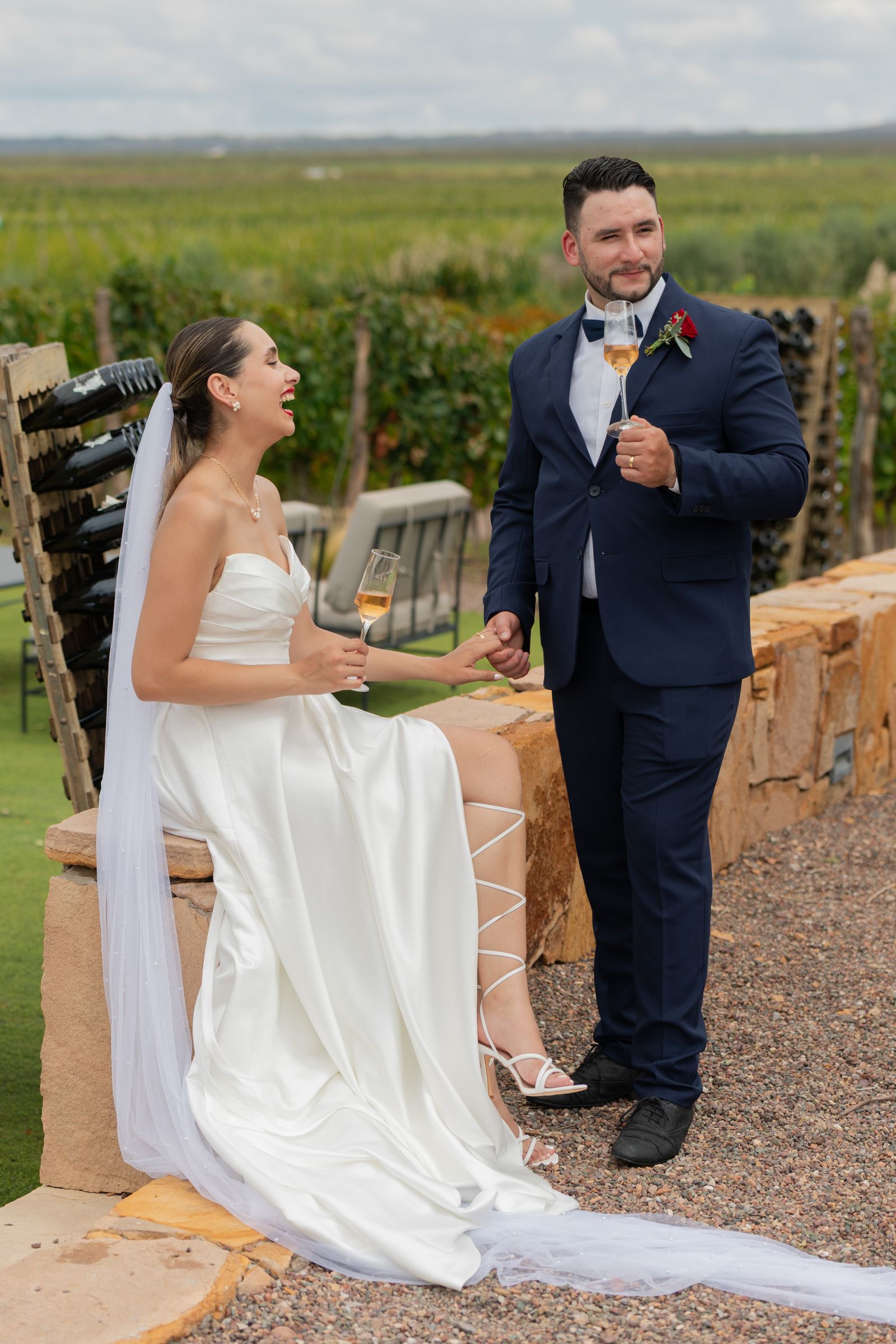
Tactics that work in each market
In a metro: shortlist by style first and price second; get three quotes in the same shape (hours, shooters, files, album, tax); book the name you want for a peak Saturday ten to twelve months out; and spend your negotiating energy on inclusions, not on the headline rate. Ask who the second shooter actually is, and whether the studio's published seven-week-style delivery promise is in the contract — the statewide median delivery time of seven weeks is long enough that a couple who needs images for a December card should say so before signing, in October.
In a small town: start with the venue's and recent couples' recommendations, then verify with a full gallery. Book earlier than feels necessary. Write down the informal promises — delivery time, sneak peeks, travel, backup plan if the photographer is ill, because in a one-person market there is no studio to send a substitute. And ask the hurricane or weather question plainly if your date is coastal or outdoor: the honest local answer, from someone who has shot through Carolina summers, is worth more than a discount.
Either way: confirm the tax treatment of the total, confirm what happens to your date if weather moves it, and confirm that the person whose portfolio you fell for is the person who will hold the camera. Those three confirmations close most of the gap between the big-city market and the small-town one — because in the end both markets sell the same thing, a trusted pair of eyes on one unrepeatable day. The only question North Carolina asks you is how far those eyes have to travel, and how many other couples are asking for them on the same Saturday.
Sources
- The Wedding Pics, wedding photographer cost research for North Carolina — median starting price of $3,500 across 20 photographers' own published price lists, middle half $3,150–$4,650, median full-day package $4,000, median rate about $525 per hour, median published delivery time of seven weeks, and city-level starting prices for Raleigh and Charlotte.
- Zola, North Carolina wedding photographer listings and spending data — couples in the state typically spend around $3,000 on photography for a 100-guest wedding, about 9 percent of the average total budget; Asheville is the priciest area and Holly Springs among the least expensive, with an 18 percent difference.
- Doug Burke Photography, Charlotte published pricing — six hours from $1,795, two-photographer eight-hour package $3,195, additional coverage $275 per hour, and a service area covering Charlotte, the Triad, Raleigh, and destinations statewide.
- North Carolina Department of Revenue, taxable items and certain digital property — a photograph transferred electronically is taxable digital property, at the general state and applicable local rates.
- North Carolina Department of Revenue, private letter ruling SUPLR 2010-0011 — receipts from newly created digital images delivered electronically are subject to sales and use tax as if sold in a tangible medium.
- NOAA National Hurricane Center, via Carolina Wedding Collective — Atlantic hurricane season runs June 1 to November 30, with the climatological peak around September 10 and most activity from mid-August to mid-October.
- National Park Service special use permits, via published North Carolina outdoor wedding guidance — ceremonies on Blue Ridge Parkway, Great Smoky Mountains National Park, and Cape Hatteras National Seashore land generally require a special use permit arranged in advance.
Photo credits
- Beach wedding couple at sunset — photo by Giuseppe Messina, https://www.pexels.com/photo/a-couple-having-a-beach-wedding-4364780/
- Wedding couple toasting in a vineyard — photo by Lilen Diaz, https://www.pexels.com/photo/joyful-wedding-couple-toasting-in-mendoza-vineyard-31531920/
More guides
- How to Find a Wedding Photographer: The Complete, Honest GuidePhotographers › Wedding Photographers
- How Much Does a Wedding Photographer Cost? Packages DecodedPhotographers › Wedding Photographers
- 10 Questions to Ask a Wedding Photographer Before You BookPhotographers › Wedding Photographers
- Wedding Photography Styles Explained: Documentary, Editorial, Traditional, Fine ArtPhotographers › Wedding Photographers
- Hiring a Wedding Photographer in California: Venue Light, Permits, and Price LevelsPhotographers › Wedding Photographers
- All Guides & ArticlesBrowse the full guides library