Photographers › Wedding Photographers
Wedding Photography Across Ohio: Big-City Choice vs. Small-Town Reality
Ohio books photographers the way it does everything else: three big cities that do not resemble each other, a ring of mid-sized markets that punch above their size, and a lot of small towns where the wedding industry is three people who all know each other. Columbus, Cleveland and Cincinnati each run a full professional market. Dayton, Toledo, Akron and Canton run respectable ones. And then there is the rest of the map — Hocking Hills cabins, Lake Erie islands, Amish-country barns, county-seat courthouses — where couples discover that "Ohio wedding photographer" is not one market but six, and the tactics that work in one quietly fail in the others.
I book photographers for events for a living, which means I have made every mistake in this guide on somebody else's budget before learning not to. Here is the Ohio version of the lesson: what the work costs in each market, how the state's tax and consumer rules land on your invoice, and why winter — the season everyone apologizes for — is the most misunderstood variable in Ohio wedding photography.
The price map does not match the venue map
Begin with the statewide anchors. Ohio couples typically spend around $2,800 on wedding photography for a 100-guest wedding, about 10 percent of the state's average wedding budget. A survey of Ohio photographers' own published price lists puts the median starting price at $3,400, with the middle half of the market starting between $2,300 and $4,100, and a median full-day package around $2,550. Published packages across the state cluster between $2,895 and $4,200.
The surprise is in the regional split. Columbus is Ohio's most expensive wedding market for venues — its median published venue package, $4,500, sits a full $1,000 above most other regions — but photographers refuse to follow the venues. Published photographer medians run highest in Akron and Canton at $3,875, then Cincinnati at $3,400 and Cleveland at $3,200, with Columbus at $2,950, Toledo at $2,795 and Dayton at $2,499. Read that again, because it overturns the usual assumption: Ohio's priciest photographer market is not its capital. Akron-Canton's smaller pool of established studios prices like a market with more demand than supply — which, at the top end, it is.
| Ohio market | Median published photographer price | Character |
|---|---|---|
| Akron & Canton | $3,875 | Thin top end, priced like it |
| Cincinnati | $3,400 | Deep bench, Kentucky suburbs included |
| Cleveland | $3,200 | Big range: $1,500 starts to $5,450 names |
| Columbus | $2,950 | Largest supply in the state keeps prices honest |
| Toledo | $2,795 | Compact market, Michigan line blurs it |
| Dayton | $2,499 | Best value of the mid-sized markets |
Individual listings confirm the shape: Cleveland photographers starting at $1,500 and $1,600 sit in the same search results as a Cleveland name starting at $5,450; Columbus couples can hire from $1,300 to $3,600 without leaving the city. In the metros, range is the point. In small-town Ohio, the range collapses to whoever is there.
Ohio's tax quirk: the flash drive changes the invoice
Ohio draws a line that couples trip over and good photographers explain unprompted. The photography service itself — the sitting, the shoot, the professional's time — is a non-taxable professional service, and electronically delivered photographs are specifically outside the state's taxed digital products. But producing tangible property is taxable: prints, discs, a flash drive of your gallery, an album. And here is the trap in the state's own guidance: if an invoice that includes tangible property is not itemized between the taxable and non-taxable parts, the entire charge — sitting fee included — is taxable. The same wedding, invoiced two ways, carries two different tax bills, at rates that stack the 5.75 percent state tax with county and transit taxes that vary across Ohio.
So ask one question of every finalist: how will you invoice the album? A photographer who itemizes service and products separately, and delivers the gallery electronically, is following Ohio's rules in the way that costs you least. A single lump-sum quote with a USB drive in a presentation box is not a scam — but it is a more expensive way to buy the same photographs, and in the metro markets, where packages are engineered products, the difference is real money.
Metro tactics: supply is your leverage
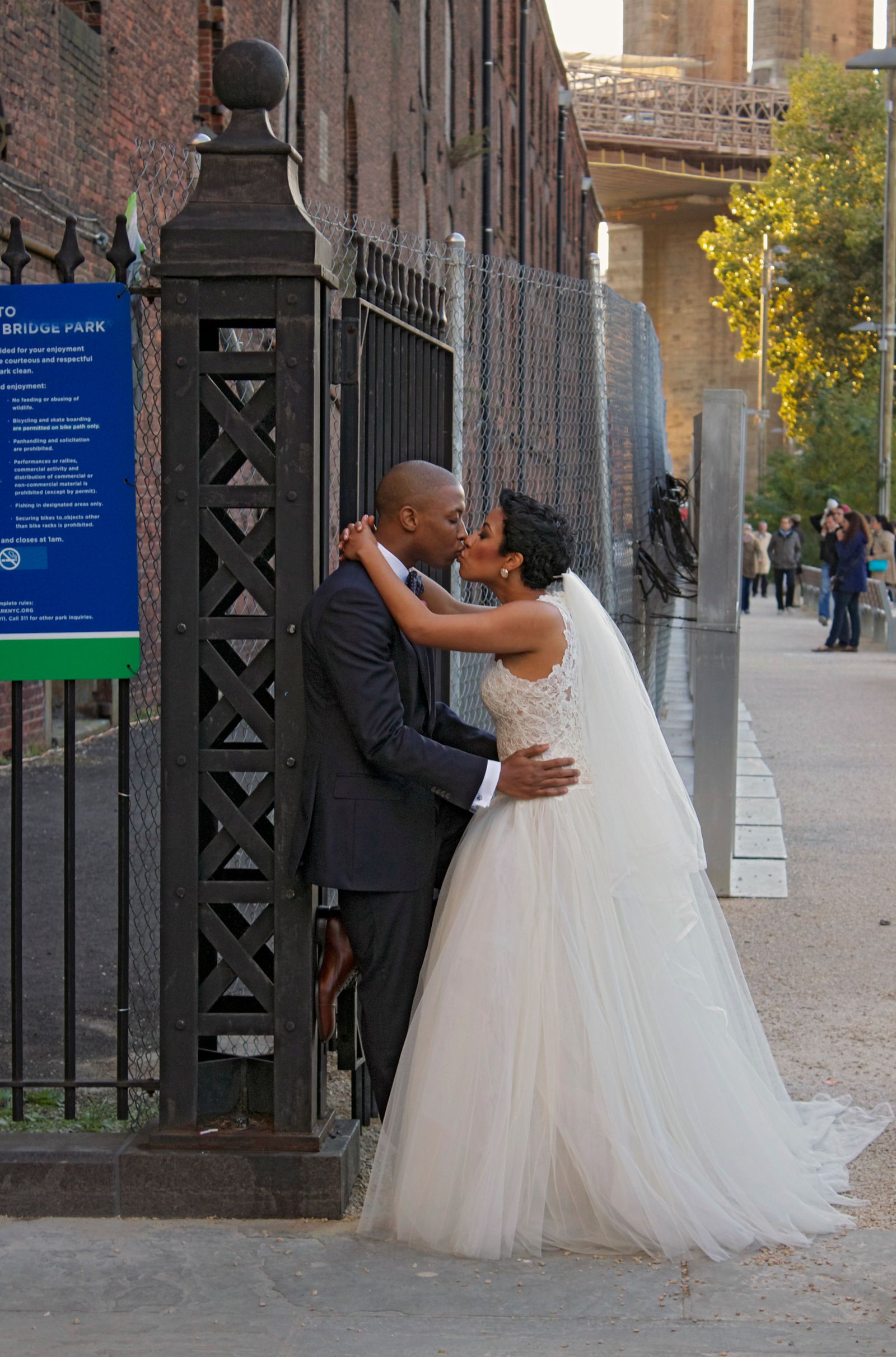
This site lists 564 wedding photographers, and Ohio's metros hold hundreds of working professionals between them — one marketplace alone shows more than 1,400 vendors in and around the state. In Columbus, Cleveland and Cincinnati, your leverage is that somebody excellent is free on your date, and your job is to find them efficiently. The professional method: define the deliverable first (hours, second shooter, album or digital-only), request the same specification from four photographers, and compare the itemized quotes Ohio's tax rules reward. Then judge the finalists on two complete weddings at venues resembling yours — a Cleveland photographer's lakefront work in November wind, a Cincinnati photographer's in a dark Over-the-Rhine hall — not on the twenty frames everyone puts on Instagram.
Cincinnati couples should remember their market is bi-state: northern Kentucky photographers shoot Cincinnati weddings routinely, and the Ohio River is a bridge, not a barrier. Cleveland couples should ask about the lake: Erie weather turns fast, and a photographer with a real rain-and-wind plan for a lakeside ceremony is worth a premium over a fair-weather portfolio. Columbus couples should exploit the state's deepest bench: if your first choice is booked, your fourth choice in Columbus is still a professional with a full calendar — a luxury no small town offers.
One more Ohio wrinkle belongs in the metro column: football. Autumn Saturdays in Columbus are built around Ohio State home games, when hotels fill, roads lock and half the city's wedding guests are checking scores. Cleveland and Cincinnati have their own stadium calendars. None of this stops a wedding — but it changes traffic, room blocks and your photographer's drive time, and a local professional will raise the schedule before you do. If your date shares a Saturday with a home game, ask every finalist one question — "what does that Saturday do to my timeline?" — and weight the answer heavily.
Small-town reality: Hocking Hills, Amish country and the county seat
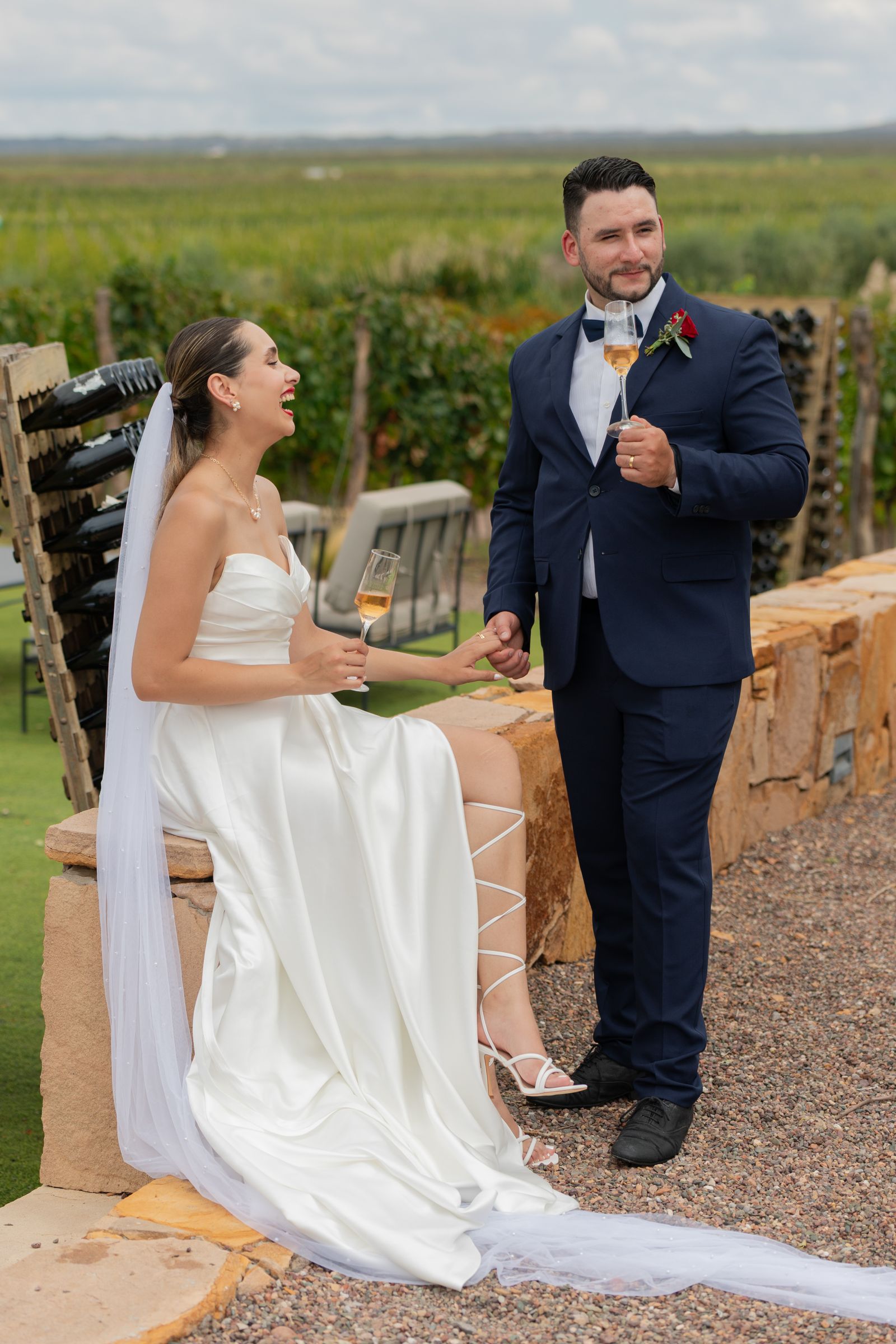
Ohio's destination weddings concentrate where the scenery is: the Hocking Hills' cabins and gorges, Lake Erie's shore and islands, and the barn country of Holmes and Wayne counties. These markets run on imports. A Hocking Hills wedding is usually shot by a Columbus, Athens or Logan photographer; a Put-in-Bay wedding by someone from Cleveland, Toledo or the mainland shore who understands ferry schedules — because a photographer who misses the last ferry has not finished your wedding, whatever the contract says about hours.
The tactics invert. Book before you finalize the date if a particular photographer matters, because the regional bench is short. Pay travel without haggling it into an insult: mileage across Ohio's hills and a night's lodging near an island ferry are production costs, not padding. And lean on the local knowledge you are importing along with the camera — the Hocking Hills photographer who knows which gorge goes dark at 3 p.m. in October, and the Holmes County photographer who knows which venues observe which rules about photography, are selling information no Columbus portfolio can match.
Winter: the freeze-thaw factor
Every Ohio guide mentions winter; few explain what it does to photography. The freeze-thaw cycle — snow that melts to slush by noon and refreezes to ice by the portrait hour — is the real winter problem in the southern two-thirds of the state, while the northeast's lake-effect belt adds genuine, fast, photogenic snow that can also close a road between your photographer and your venue. Add a sunset before 5:30 p.m. from November through January, and a winter Ohio wedding is a lighting production: portraits before the ceremony or under professional light, a timeline built around a 4 p.m. golden hour that may not survive the cloud deck.
Prices follow the risk down. Winter is when Ohio's metro photographers negotiate, when the $5,450 names discuss January, and when small-town photographers are available at all. A couple marrying in February with a photographer who has a real winter portfolio — ice, slush, dark halls and all — gets the state's best value. A couple who books a summer portfolio for a January date gets an education.
Contracts and the Ohio backstop
Ohio does not license wedding photographers, so the contract carries the weight — and behind the contract stands the Ohio Consumer Sales Practices Act. The CSPA prohibits unfair, deceptive and unconscionable acts in consumer transactions; the Attorney General's Consumer Protection Section investigates and can obtain relief for consumers, and consumers themselves may sue to rescind a transaction or recover damages, with triple damages available in the circumstances the statute specifies. For couples, the practical translation is paperwork: a written contract naming the actual photographer, the hours, the delivery window, the itemized tax treatment and the substitution and cancellation terms. In metro markets, the substitution clause matters most, because studios staff dates from a roster. In small-town markets, the failure clause matters most, because a solo photographer has no roster — the contract should say who their backup is, or what refund follows if there is none.
The Ohio verdict
Columbus couples: use your depth — specify tightly, compare itemized quotes, and let supply compete. Cleveland and Cincinnati couples: hire for your specific conditions, lake weather and dark halls respectively. Akron-Canton couples: expect to pay metro prices for a thinner top end, and book it earlier than feels reasonable. Small-town and destination couples: you are importing a professional into a landscape — pay the travel, book the calendar before it fills, and value local knowledge over a prettier website. Ohio's median couple spends about $2,800 and hires well. The ones who struggle are the ones who shop their market as if it were a different one.
Sources
- The Wedding Dossier, How Much Does a Wedding Cost in Ohio? — published-price survey of Ohio vendors, regional photographer and venue medians.
- The Wedding Pics, Wedding Photographer Cost in Ohio — median starting price of $3,400 across Ohio photographers' published price lists.
- Zola, Ohio wedding photographers — typical Ohio spend of about $2,800 and the state's vendor marketplace.
- Ohio Department of Taxation, guidance on photography and digital products — photography services are non-taxable, tangible photo products are taxable, unitemized mixed invoices are fully taxable, and electronically delivered photographs are excluded.
- Ohio Attorney General, Laws Protecting Consumers — the Consumer Sales Practices Act and what it prohibits.
Photo credits
- Newlyweds in the city — photo by Following NYC, https://www.pexels.com/photo/16261963/
- Vineyard couple — photo by Lilen Diaz, https://www.pexels.com/photo/joyful-wedding-couple-toasting-in-mendoza-vineyard-31531920/
More guides
- How to Find a Wedding Photographer: The Complete, Honest GuidePhotographers › Wedding Photographers
- How Much Does a Wedding Photographer Cost? Packages DecodedPhotographers › Wedding Photographers
- 10 Questions to Ask a Wedding Photographer Before You BookPhotographers › Wedding Photographers
- Wedding Photography Styles Explained: Documentary, Editorial, Traditional, Fine ArtPhotographers › Wedding Photographers
- Hiring a Wedding Photographer in California: Venue Light, Permits, and Price LevelsPhotographers › Wedding Photographers
- All Guides & ArticlesBrowse the full guides library