Photographers › Wedding Photographers
Wedding Photography Across South Dakota: Big-City Choice vs. Small-Town Reality
South Dakotans describe their state in two halves, East River and West River, divided by the Missouri. Wedding photography obeys the same geography. East River has Sioux Falls, the state's one true metro, with a real bench of photographers, studios that bundle photo, video and photo booths, and prices that behave like a small city's prices everywhere. West River has Rapid City and the Black Hills — a destination market of lodges, state-park ceremonies and couples who fly in for the scenery — surrounded by ranch country where the nearest alternative photographer may be ninety miles away. Between the two halves runs Interstate 90, roughly 350 miles from Sioux Falls to Rapid City, and almost every booking decision in this state is a decision about that distance.
I book photographers for events for a living. This guide is the South Dakota version of that work: what each market charges in published prices, what the Hills premium really buys, how the state's unusual sales tax — one of the few that taxes photography services themselves — lands on your invoice, and the tactics that work where the bench is one name deep. This site lists 564 wedding photographers; South Dakota's share is small enough that you will meet most of it in an afternoon of searching. Choosing well from a short list is a different skill from choosing from a long one, and it is the skill this state demands.
Sioux Falls: the one metro bench
Sioux Falls is where South Dakota's wedding market behaves like the rest of America's. Marketplace listings for the city show a layered bench: a full-service events company offering photography starting at $1,795; a cluster of established solo photographers and small studios starting between $2,800 and $3,000; and a top layer starting at $3,500 to $4,000. Starting prices are floors, not packages — full-day coverage with a second photographer and an album sits above them — but the shape is a healthy metro shape: enough competition that you can compare three real quotes at three quality levels without leaving the city.
What the bench buys is the usual metro insurance, and in South Dakota it is worth naming because so little of the state has it: second shooters who are actually available, a studio that can cover a sick lead, videography bundled under one contract, and photographers who have shot your venue in your season. Sioux Falls photographers also work a natural territory — Brookings, Mitchell, Dell Rapids and the Iowa and Minnesota border towns are all inside an hour or so — which makes the metro's bench the default bench for most of East River. If you are marrying in a small East River town, your realistic shortlist is your town's photographer, if one exists, plus two or three Sioux Falls names and their travel terms. That is not a failure of the small-town market. It is how the state is populated.
Rapid City and the Black Hills: a destination market in a small city
Rapid City's listings tell a different story: starting prices cluster lower — $1,200, $1,350, $1,499 and $2,500 appear among the city's working photographers — but the market's center of gravity is not the city wedding. It is the Hills wedding: ceremonies in Custer State Park and at Black Hills lodges, Deadwood's historic venues, Sylvan Lake's granite shore. Couples come from out of state for these places, and the photographers who serve them sell a specific fluency: which ceremony sites need permits and how far ahead, how the light falls in a granite cathedral of a canyon at 5 p.m., what an afternoon thunderstorm rolling off the Hills does to a timeline, and where to take a wedding party when the famous viewpoint is full of tourists.
That fluency, not the headline price, is the product. A Rapid City photographer starting at $1,499 who has shot your state-park site forty times is a safer hire than a $3,000 import meeting it for the first time. The Hills also run on a tourist calendar: summer is peak for visitors as well as weddings, lodging fills, and the Sturgis motorcycle rally in August consumes the region's rooms and roads for two weeks — a date no local books a wedding against without a conversation. Ask any Hills photographer about your date's place in that calendar in the first call; the good ones will raise it before you do.
Small towns, both rivers: one name, long roads
Outside the two hubs, South Dakota is a state of small benches. Volga, Dell Rapids, Aberdeen, Pierre, Spearfish, Hot Springs — the pattern repeats: a local photographer or two, often excellent, always personally exposed. There is no studio behind the name, so the professional booking habits matter more here than anywhere:
- The backup clause is the contract. If your photographer cannot shoot, who does — a named colleague in the next town, an agreement with a Sioux Falls or Rapid City studio, or a refund with enough time to matter? In a one-name market, an unnamed backup is no backup.
- Travel is a line item, not a surprise. A photographer driving two hours each way is spending a working day on your wedding before lifting a camera. Expect mileage or a flat travel fee, and a lodging line for late finishes far from home — and see the tax section below, because in South Dakota even that line is taxed.
- Book against the agricultural calendar. In farming towns, harvest and planting are not background color; they are when half your guest list — and sometimes your photographer — is in a field. A local will know. An import will not.
The compensating virtue is the one small markets always offer: the photographer who shot your sister's wedding, knows your venue's owner by first name, and will be at the grocery store when you want to talk about the album. In communities this size, reputation is not marketing. It is the whole enforcement mechanism, and it works.
The tax that taxes the service itself
Here is where South Dakota breaks from almost every state in this series. Most states tax photography only when a tangible product changes hands, or not at all. South Dakota's Department of Revenue publishes a tax fact sheet specifically for photographers, and it is unambiguous: photography and videography services are subject to sales tax. The state rate is 4.2 percent, and municipal sales tax adds 1 to 2 percent where the product or service is received. The taxable list is thorough — sitting fees, enlarging and retouching, processing and printing, photo rights and reprints, online photo storage and sharing, and, notably for anyone importing a photographer across the state, mileage and expense charges, even when itemized separately on the invoice.
Two practical consequences. First, your quotes are comparable only after tax: a $3,000 package in a 2-percent municipal tax town is a $3,186 package, and the travel line from an out-of-town photographer is taxed on the same basis as the photography. Second, a South Dakota quote with no tax line at all deserves a question, because the Department of Revenue's guidance is published, specific and written for exactly this trade. One more wrinkle for planners booking far ahead: the state's 4.2 percent rate is a reduced rate with a scheduled return to 4.5 percent on July 1, 2027 under current law — a small number on a photography invoice, but a legitimate thing for a 2027 contract to state clearly, so neither side is surprised.
Season: short summer, honest winter
South Dakota's outdoor wedding season is the northern-plains season: reliably May through October, gloriously June through September, and hostage in every month to weather that arrives fast off the prairie. Summer thunderstorms are the working photographer's tax — a Black Hills or prairie ceremony needs an indoor or covered fallback that is a plan, not a hope — and late September can turn cold at elevation in the Hills while East River is still golden. Winter weddings are a real and underpriced product here: snow light on the prairie is beautiful, benches are empty, and every vendor in the state has Saturdays free. What winter demands is a photographer who shoots in it voluntarily — ask for a winter gallery, because flash-and-snow work is a specialty — and timelines built around a sun that sets in the late afternoon.
The booking rhythm follows. Peak summer Saturdays in Sioux Falls and the Hills book nine to fourteen months out; the Hills' best names, serving a destination market with a short season, go earliest. Small-town photographers book closer in, but "closer in" in a one-name market still means: if you want them, do not be the second couple to ask about your date.
| Market | Published starting prices | The real product |
|---|---|---|
| Sioux Falls metro | $1,795–$4,000 | A bench: second shooters, bundled video, backup depth |
| Rapid City / Black Hills | $1,200–$2,500 | Destination-site fluency: permits, granite light, tourist calendar |
| Small towns, both rivers | Local, varies; often below metro floors | Personal reputation, local knowledge — paper the backup |
Booking order, South Dakota edition
Book in the order the geography dictates. Venue first, because East River or West River decides your market before anything else does. Photographer second and early — the Hills and Sioux Falls benches for a summer Saturday, the one local name in a small town before someone else takes the date. Tax and travel in the written quote, because in this state both are taxable and neither should surface later. Backup by name in any market thinner than Sioux Falls. Do that, and South Dakota's short lists stop feeling like a limitation. In a state where the photographer likely knows your venue, your town and half your guest list, a short list is not a small choice. It is a known one — and known, in wedding photography, is worth paying for.
Sources
- The Knot, Sioux Falls, Rapid City and Deadwood wedding photographer listings — published starting prices from $1,795 to $4,000 in Sioux Falls and $1,200 to $2,500 in Rapid City and the Black Hills.
- South Dakota Department of Revenue, Photographers tax fact sheet (July 2023) — photography and videography services, sitting fees, retouching, mileage and expense charges are subject to the 4.2 percent state sales tax plus 1–2 percent municipal tax.
- South Dakota Codified Laws § 10-45-5 — photography enumerated among services taxed at 4.2 percent, with the rate scheduled to return to 4.5 percent on July 1, 2027.
Photo credits
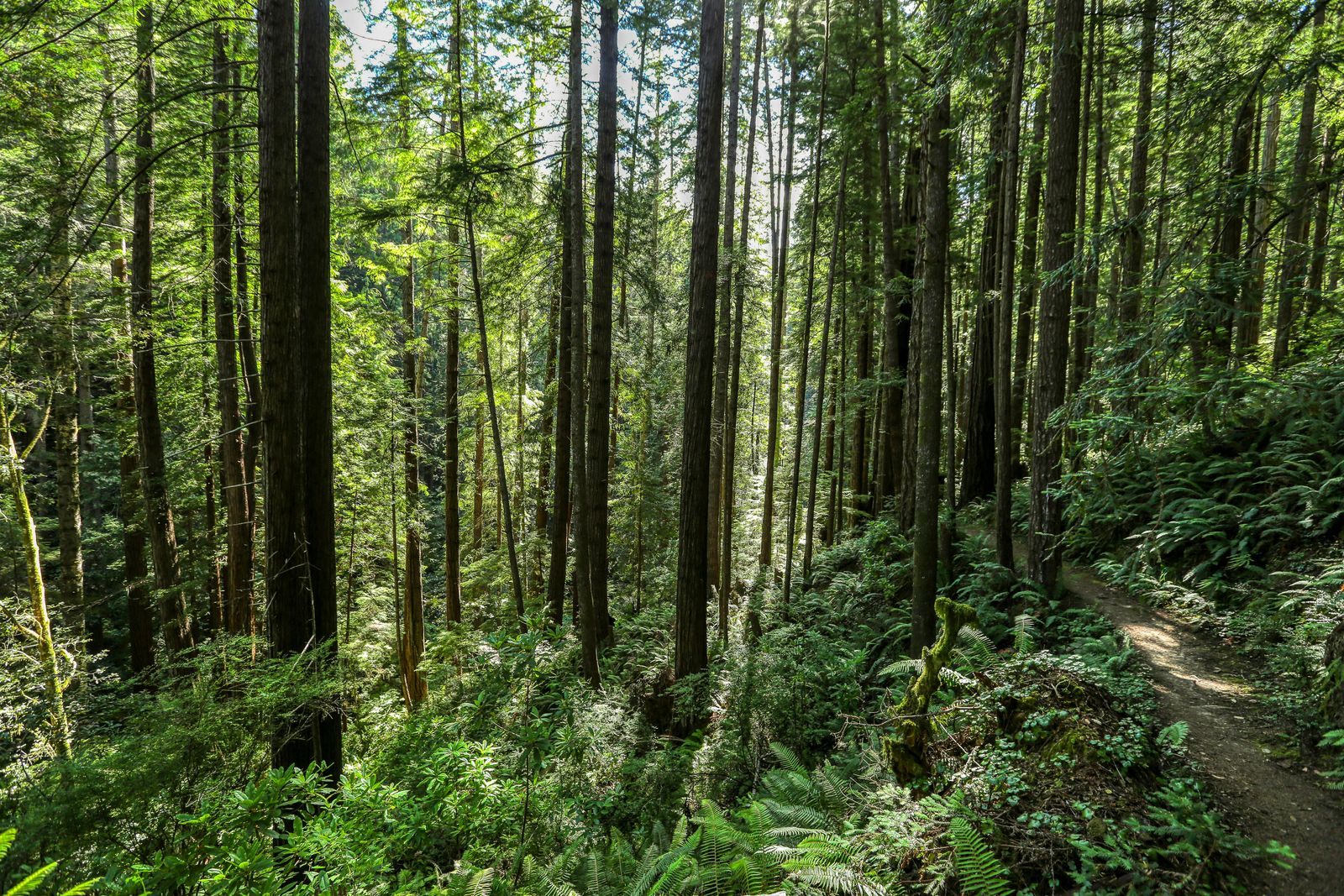
- Forest in filtered light — photo by Mick Haupt, https://www.pexels.com/photo/green-plants-and-trees-in-a-forest-5586120/
- Couple by the water at sunset — photo by Giuseppe Messina, https://www.pexels.com/photo/a-couple-having-a-beach-wedding-4364780/
- Bright venue interior — photo by Max Vakhtbovych, https://www.pexels.com/photo/sofa-with-cushions-in-living-room-5998023/
More guides
- How to Find a Wedding Photographer: The Complete, Honest GuidePhotographers › Wedding Photographers
- How Much Does a Wedding Photographer Cost? Packages DecodedPhotographers › Wedding Photographers
- 10 Questions to Ask a Wedding Photographer Before You BookPhotographers › Wedding Photographers
- Wedding Photography Styles Explained: Documentary, Editorial, Traditional, Fine ArtPhotographers › Wedding Photographers
- Hiring a Wedding Photographer in California: Venue Light, Permits, and Price LevelsPhotographers › Wedding Photographers
- All Guides & ArticlesBrowse the full guides library