Photographers › Wedding Photographers
Wedding Photography Across Texas: Big-City Choice vs. Small-Town Reality
Texas is too big to have one wedding photography market, and pretending otherwise is how couples misprice their day. Dallas to El Paso is roughly a nine-hour drive. A photographer who is "Texas-based" may be further from your venue than a photographer in another state. So the state divides, in practice, into four metro markets — Dallas–Fort Worth, Houston, Austin, and San Antonio — a destination belt in the Hill Country around Fredericksburg and Dripping Springs, and a vast small-town and rural market where the nearest working wedding photographer might be ninety minutes away and booked by everyone you know.
The photography itself does not change across those lines. The choice, the waiting, the travel bill, and the tax bill do.
The statewide numbers — cheaper than the country, wider than they look
A study of seventeen Texas photographers' own published price lists, checked in November 2026, found a median starting price of $2,500 for full-wedding coverage, with the middle half starting between $2,000 and $3,600. Full-day packages of seven to nine hours had a median of $3,200, the median rate worked out to about $415 an hour, and the median published delivery time was six weeks. That starting median sits $900 below the same study's national median of $3,400 — Texas, on paper, is a relatively affordable place to hire a wedding photographer. Zola's data agrees on the shape: couples in Texas typically spend around $2,800 on photography for a 100-guest wedding, about 9 percent of the average total budget.
But look at the spread inside the seventeen lists. El Paso produced a $525 starting price. Houston ranged from $1,600 to $3,200, Dallas from $1,700 to $6,000, and Austin from $3,250 to $6,000. Zola's location comparison puts Austin as the state's priciest area and Conroe, north of Houston, among its cheapest, with wedding costs varying by about 23 percent across Texas locations. A curated list of twenty leading Texas studios shows published prices from $895 to $7,000 and up, with most established names starting between $3,000 and $5,500 — a reminder that the top of the Texas market is a national market, priced for couples who shop nationally.
| Market | Published starting prices look like | The reality underneath |
|---|---|---|
| Austin | $3,250–$6,000 on the study lists; state's priciest area | Tech-money demand, Hill Country destination spillover |
| Dallas–Fort Worth | $1,700–$6,000; deep bench at every level | Two cities' worth of studios, ballroom and ranch venues side by side |
| Houston | $1,600–$3,200 on the study lists | Huge, diverse market; Gulf weather in every contract |
| San Antonio | Studios from $895 (national companies) to established local names | Missions, military weddings, strong local loyalty |
| El Paso and small cities | A $525 start on the study lists | Thin benches, relationship pricing, travel in both directions |
| Hill Country | Destination pricing, often quoted on inquiry | Ranch and vineyard venues an hour-plus from any metro bench |
Big-city choice: what abundance actually buys
In DFW, Houston, and Austin, you can hire by style the way you hire by menu. Documentary, editorial, film, fine-art, and big South Asian wedding specialists — BrideBox's Texas list singles out photographers for exactly that work — all exist within one metro. That matters because asking a photographer to imitate an unfamiliar style is the most expensive mistake a couple can make, and in a metro you never have to make it.
Abundance also buys redundancy and leverage. Metro studios field second shooters and associate teams — several on the leading-studio list shoot as duos or full photo-and-video studios — so illness and equipment failure have a bench behind them. And with three comparable quotes in hand, inclusions become negotiable: an engagement session, an extra hour, a rehearsal-dinner slot.
What abundance does not buy is your Saturday. Texas peak demand concentrates in the milder months — spring, including the brief bluebonnet window in March and April that fills Hill Country fields with portrait sessions, and fall, once the worst heat breaks. The best metro names for those Saturdays go early, and Austin in particular behaves like a destination market: couples who decided on a Fredericksburg ranch often discover their shortlist of Austin photographers decided the same dates a year ago.
Small-town reality: scarcity, loyalty, and the long drive
Outside the metros, the market inverts. There may be two credible wedding photographers in the county, and the better one is the town's memory-keeper — she shot your cousin's wedding, your sister's senior portraits, and half the church directory. That produces three features no metro can sell.
First, knowledge of place. A local photographer knows which ranch gate catches the last light, which courthouse square empties at five, and how a West Texas wind rearranges a veil. Second, accountability by reputation: in a small market, one botched delivery echoes for years, and established locals protect their names accordingly. Third, pricing set by relationships, not auctions — often below metro medians, sometimes firmer than you'd expect, because the local name has no need to discount for dates the whole town competes for.
The costs are equally specific. The bench is thin: if your photographer is ill, there may be no associate to send, so the backup clause in a small-town contract is not boilerplate — ask who, by name, covers an emergency. The portfolio may be deep in one venue type and silent in yours, so ask for a full gallery from a wedding with your light, your venue, your size. And waiting times surprise people: the one trusted name in a small market can be booked further out than a mid-tier Dallas studio.
Then there is distance, the Texas variable. Importing a metro photographer to a rural venue means pricing the import honestly: travel fees, mileage, a hotel night when the reception ends at eleven and home is three hours away, and the same again for a second shooter. Exporting works too — a small-town photographer travelling into the metro may undercut metro studios even after travel — but get the travel line in writing either way, because in Texas "we cover the state" can mean a $400 surprise.
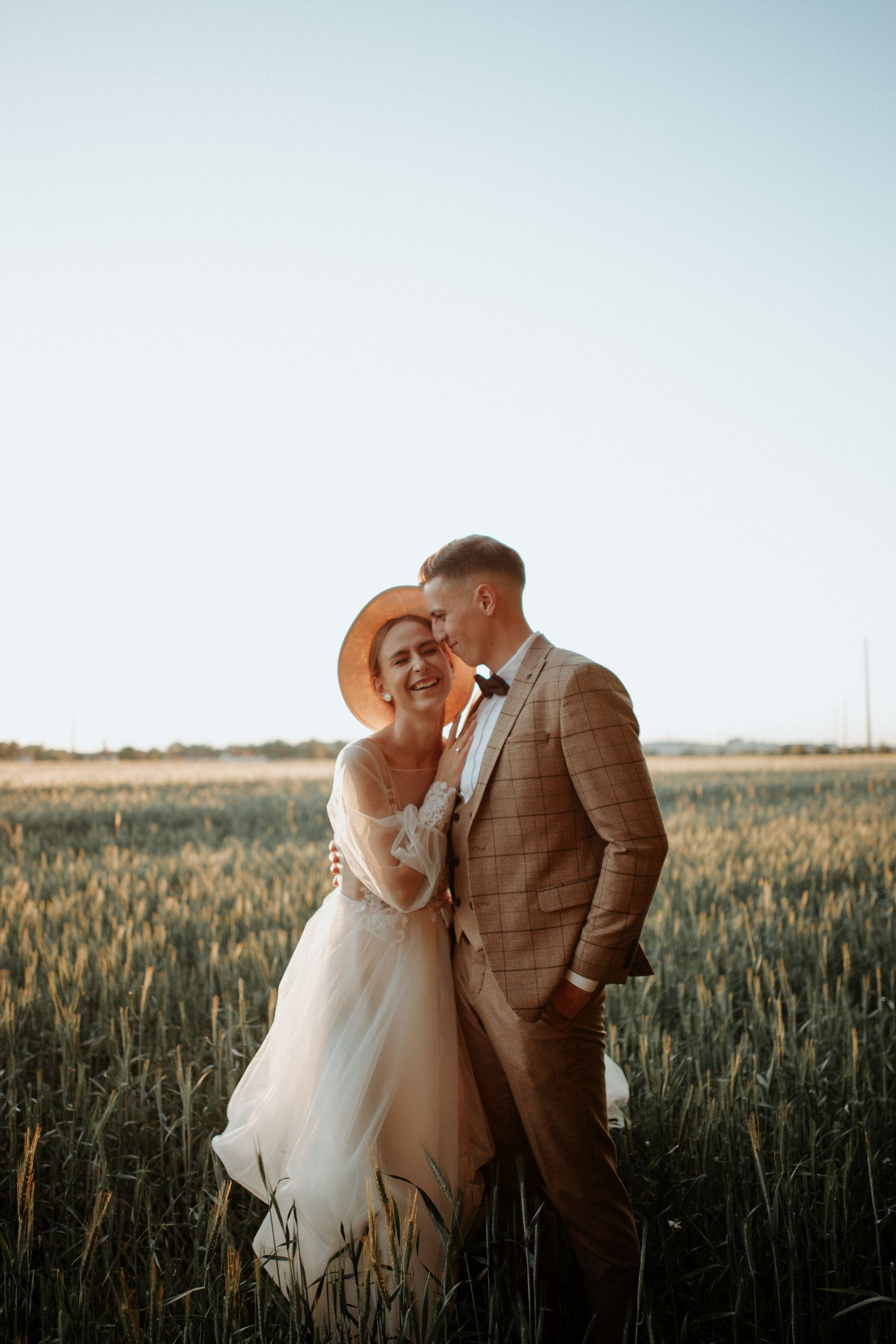
One more Texas feature deserves its own paragraph, because couples from smaller states never see it coming: a Texas wedding day can involve real mileage inside the event. Getting-ready in one suburb, ceremony across the metro, portraits at a third location, reception at a ranch outside town — a DFW or Houston timeline can put sixty miles between first click and last dance without anyone leaving the metropolitan area. Photographers price that reality in different ways: some include a service radius and charge beyond it, some bill mileage, some quietly build it into the package. Whichever model your photographer uses, walk the timeline's map together before signing. The couple who discovers at the rehearsal that their portrait location sits forty minutes from their reception has not bought a photography problem, exactly — they have bought a missing hour of coverage, at $275-an-hour-style extra-time rates, or a gallery with the golden-hour session compressed into ten minutes in a parking lot. In Texas, geography is not background. It is a budget line.
The Texas specifics: tax, heat, water, and permits
Sales tax is charged on the whole photography bill. Texas treats photographs as tangible personal property, however they are delivered. The Comptroller's guidance for photographers (Publication 94-176) is blunt: sales of photographs are taxable whether sold as prints, on disc, digitally, or electronically, and all expenses directly related to production and billed to the customer are taxable — sitting fees included, whether the invoice is lump-sum or itemized. The state rate is 6.25 percent, with local taxes adding up to 2 percent more, for a combined maximum of 8.25 percent. So a Texas quote that "includes tax" and one that adds it are different presentations of similar money; compare totals. It also means the small-town photographer's lower headline price keeps its advantage after tax — 8.25 percent of less is less.
Heat is a scheduling decision. A July afternoon ceremony on a Hill Country ranch is a photography problem before it is a comfort problem: harsh overhead light, squinting guests, makeup under stress. Texas photographers who work summers build timelines around it — later ceremonies, shaded portrait locations, indoor midday coverage. If your date is June through September, ask to see a full summer gallery, not a spring one. The photographer's answer tells you whether they plan for Texas or merely endure it.
The Gulf has its own clause. Hurricane season runs June 1 to November 30 on the coast, and Houston and Galveston-area weddings inside it deserve the same contract architecture as any coastal wedding: who can postpone, on what basis, what happens to the retainer, and whether your photographer moves with your new date. Inland, the remnant risk — flooding rains days after landfall — is the practical version.
Famous spots have rules. Iconic Texas photo locations run their own permit and fee systems for professional sessions — BrideBox's Texas guide flags the photo rules at the Dallas Arboretum and Houston's Hermann Park, and bluebonnet fields are private land more often than roadside commons. If a location matters to you, raise it at booking: the photographer usually knows the permit, the fee, and the enforcement habits, and finding out on the day is the expensive way.
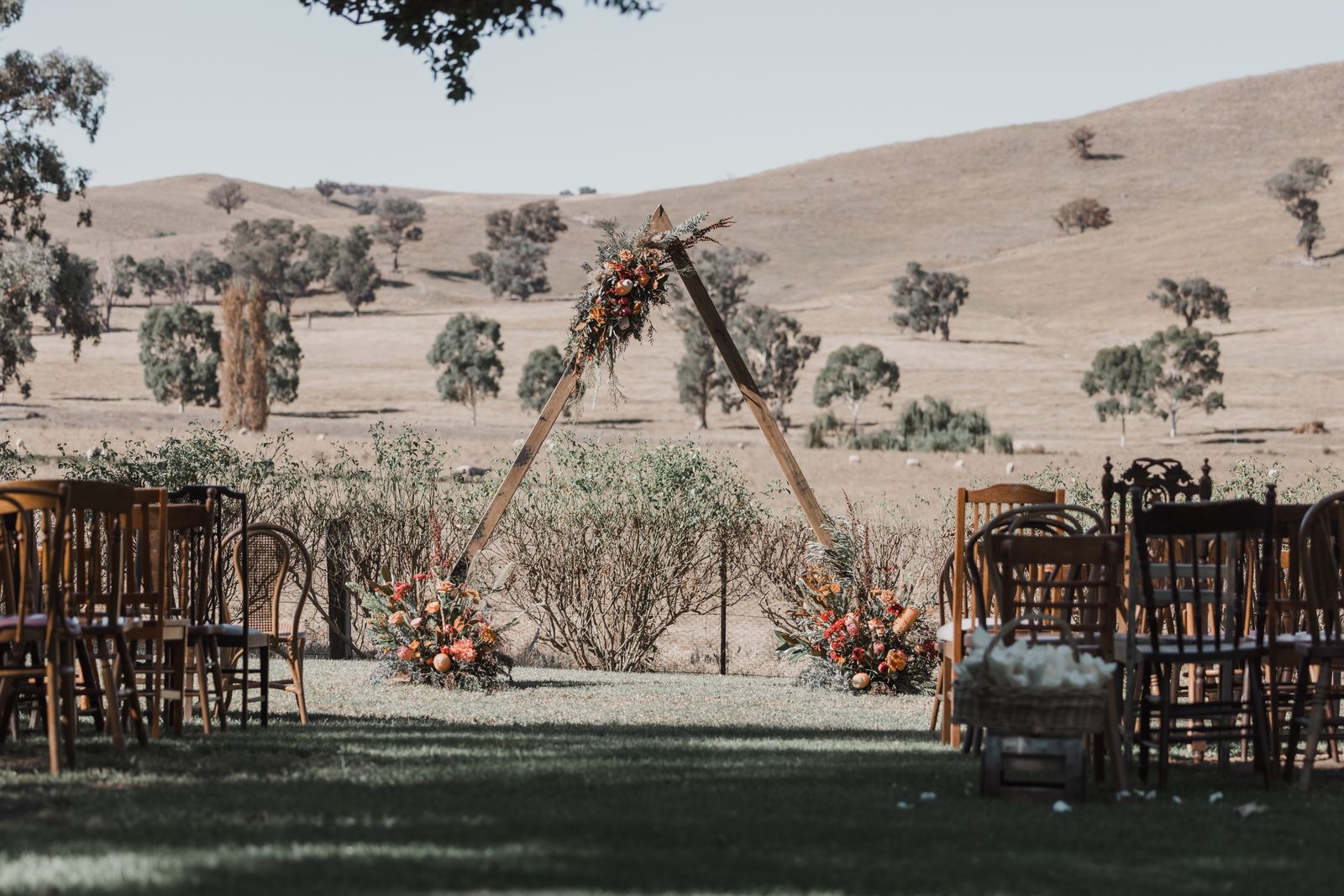
Tactics, by market
In a metro: shortlist by style, quote three photographers in the same shape — hours, shooters, files, album, travel, and tax — and book peak spring and fall Saturdays ten to twelve months ahead. Spend negotiation on inclusions. Pin the delivery promise down; the statewide median published delivery is six weeks, and a couple who needs holiday cards should say so in the contract, not in November.
In a small town: start from the venue's and recent couples' recommendations, verify with one complete gallery, and book the trusted name earlier than feels necessary. Write down the informal parts — backup shooter by name, delivery time, travel charges, weather postponement — because relationship markets run on assumptions until a contract replaces them. Ask about summer heat or Gulf weather with your actual date in hand; the local, specific answer is the product you are paying for.
Either way: compare after-tax totals, confirm the person whose work you booked is the person attending, and confirm what happens to your date if Texas weather moves it. Do those three things and the big-city/small-town gap mostly closes — what remains is the honest difference between a market with fifty answers and a market with two, on a day that happens once. This site lists 564 wedding photographers in its specialist category; in Texas, the skill is not finding one. It is knowing which Texas you are actually hiring in.
Sources
- The Wedding Pics, wedding photographer cost research for Texas — median starting price of $2,500 across 17 photographers' own published price lists, middle half $2,000–$3,600, median full-day package $3,200, median rate about $415 per hour, median published delivery time of six weeks, and the median sitting $900 below the study's national median.
- Zola, Texas wedding photographer listings and spending data — couples in Texas typically spend around $2,800 on photography for a 100-guest wedding, about 9 percent of the average total budget; Austin is the priciest area, Conroe among the least expensive, and costs vary by about 23 percent by location.
- BrideBox, top Texas wedding photographers list — published prices from $895 to $7,000 and up across 20 leading studios, most established names starting between $3,000 and $5,500, and photo rules at the Dallas Arboretum and Hermann Park.
- Texas Comptroller of Public Accounts, Publication 94-176, Photographers and Texas Sales Tax — sales of photographs are taxable in any medium including digital and electronic delivery, and production expenses billed to the customer, including sitting fees, are taxable whether billed lump-sum or itemized.
- Texas sales tax rate structure — state rate of 6.25 percent with local taxes adding up to 2 percent, for a combined maximum of 8.25 percent.
Photo credits
- Newlywed couple in a sunlit field — photo by Danik Prihodko, https://www.pexels.com/photo/15865474/
- Rustic outdoor ceremony venue with wooden chairs — photo by Josh Withers, https://www.pexels.com/photo/16625608/
More guides
- How to Find a Wedding Photographer: The Complete, Honest GuidePhotographers › Wedding Photographers
- How Much Does a Wedding Photographer Cost? Packages DecodedPhotographers › Wedding Photographers
- 10 Questions to Ask a Wedding Photographer Before You BookPhotographers › Wedding Photographers
- Wedding Photography Styles Explained: Documentary, Editorial, Traditional, Fine ArtPhotographers › Wedding Photographers
- Hiring a Wedding Photographer in California: Venue Light, Permits, and Price LevelsPhotographers › Wedding Photographers
- All Guides & ArticlesBrowse the full guides library