Photographers › Wedding Photographers
Wedding Photography Across Vermont: Big-City Choice vs. Small-Town Reality
Every state guide in this series starts with a big city. Vermont's version of a big city is Burlington, population roughly 45,000, which tells you most of what you need to know about wedding photography here. Vermont is a small-town state with a destination-wedding industry laid over it: couples arrive from Boston, New York and Montreal to marry in barns, meadows and resort lodges, and the photographers who serve them are a thin local bench, a ring of New England imports, and a handful of destination specialists who charge like it. There is no deep metro market to hide in. In Vermont, who your photographer is — and what happens if they can't come — is the whole decision.
I assisted a commercial photographer on Vermont weddings, and the lessons were never about cameras. They were about distance (every venue is an hour from the last one, on roads that change character with the season), about foliage (two weekends in October carry a quarter of the year's demand), and about contracts, because Vermont's light-touch approach to this trade — there is no state photographer's licence to check, no credential that vouches for anyone — means the paper you sign and the references you call carry the entire weight of the decision. Here is how the state's markets actually divide.
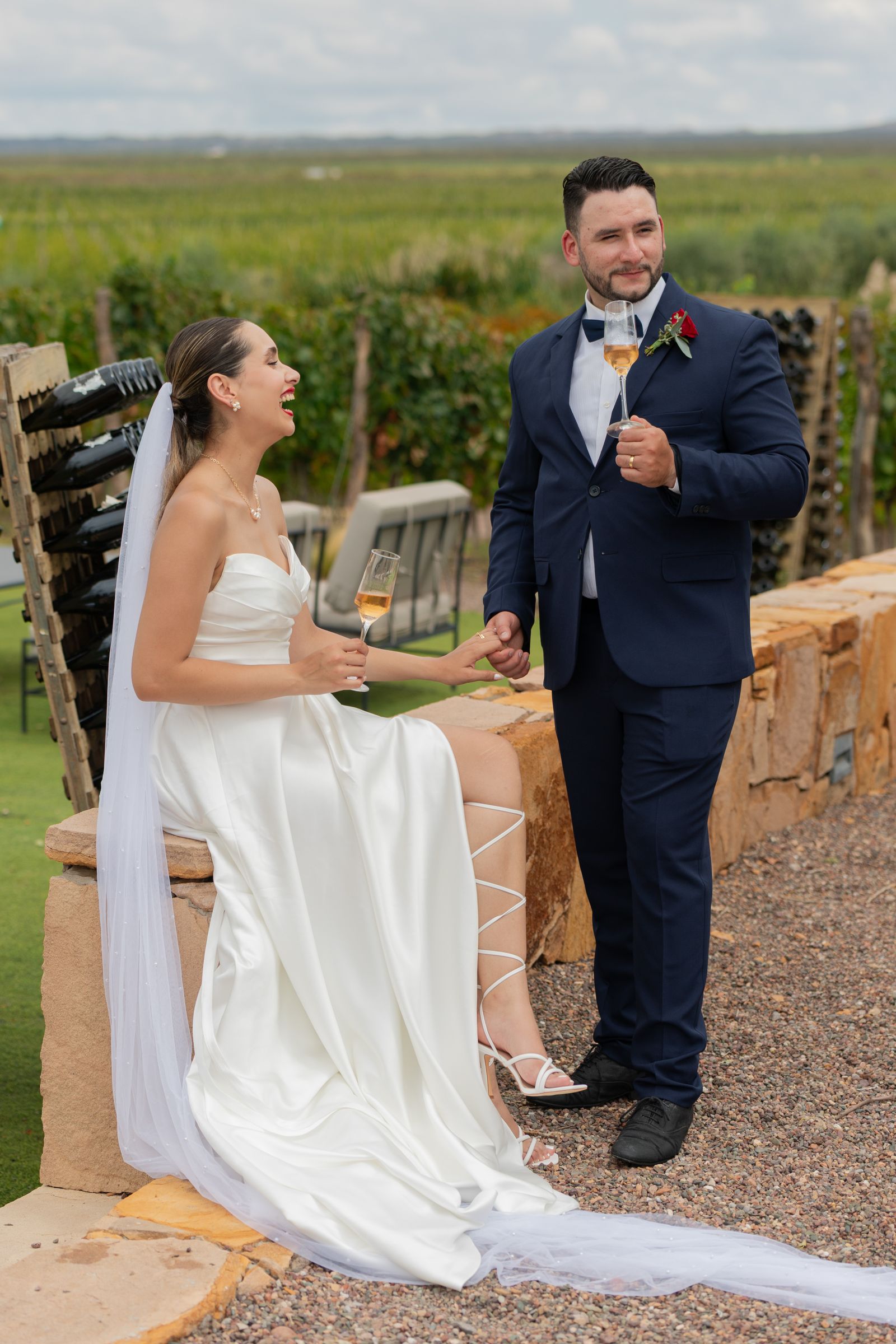
Burlington: the metro that isn't
Burlington and its Chittenden County suburbs hold the state's only real bench. Marketplace listings for the Burlington area show dozens of working wedding photographers, with starting prices scattered from about $1,650 to $5,000 and a solid mid-range in between — one Vermont photographer serving Burlington, Stowe and Woodstock starts full-day packages at $3,000, half-days at $2,500 and intimate weddings at $1,200, while a Burlington-area guide puts full-day collections in northern Vermont generally at $3,500–$5,500 depending on hours, second shooters and albums. Elopement and intimate-wedding packages from established local names start around $1,250, which reflects a real Vermont speciality: the small wedding, shot well, is a mainstream product here rather than a budget afterthought.
But calibrate the word "bench." Burlington's photographers mostly work solo or in pairs; the associate-studio model, where a company fields one of several interchangeable leads, barely exists. Booking a Burlington name means booking that person. The upside is that you know exactly whose eye you are buying. The corollary is that the backup question — who shoots if you are sick, snowed in, or double-booked by mistake — has to be asked out loud, because there is no studio structure silently answering it for you.
Burlington also functions as Vermont's import hub. Photographers based there serve the whole state, and photographers from Boston (about three and a half hours), Albany and Montreal serve Burlington. For a Lake Champlain wedding in high summer, you are shopping in a genuinely regional market. For the same wedding in late September, you are competing with every foliage couple in New England for the same names.
Stowe, Woodstock and the destination belt
Vermont's destination market concentrates where the postcards are: Stowe under Mount Mansfield, Woodstock and the farm country around it, the Mad River Valley, and the lake and mountain venues scattered between. Listings around Stowe show local photographers starting from about $1,000 to $5,250, with established Stowe-based names in the $2,500–$5,000 band — and layered over them, destination photographers from across New England whose Vermont weekends are priced at their home-market rates plus travel.
The calendar is the destination belt's defining feature. Summer is busy; the foliage window — roughly late September to mid-October, sliding with elevation — is the peak of the entire Vermont wedding year, when a barn in the Mad River Valley and a lodge in Stowe are competing for the same couples and the same photographers. Ski season brings a smaller winter-wedding trade to the resort towns. And then there is mud season, the weeks of thaw in April and May when Vermont's dirt roads soften, some venues close or discount, and prices across the board soften with them. A couple willing to marry in mud season, or in the green quiet of early June before the summer rush, will find Vermont photographers noticeably more available and more negotiable than the same names in foliage season. A couple set on peak foliage should treat the photographer as a venue-tier decision: book a year or more ahead, and expect the strongest names to be gone first.
Travel inside Vermont deserves its own line in every quote. Distances are short on the map and long on the ground — an hour between ceremony and reception venues is unremarkable, winter roads and foliage traffic stretch everything, and a photographer covering a full destination weekend may be driving in from another state entirely. Ask where the photographer is based, where they will sleep the night before, and what travel charges apply beyond a stated radius. In Vermont those answers are not fine print; they are the logistics of the day.
The small towns: scarcity as the default condition
Outside Chittenden County and the resort belt, Vermont is what the rest of this series calls a small-town market — except that in Vermont there is almost nothing else. The Northeast Kingdom, the Connecticut River valley towns, the farm country of Addison County: each has its local photographers, often one or two working names per area, frequently people who also shoot portraits, schools and commercial work for local businesses. This site lists 564 wedding photographers across the whole country; Vermont's share of working professionals is a rounding error, and everyone in a Vermont small town knows it.
What scarcity changes is not mainly price — local full-day prices often sit below the Burlington band, and well below destination rates — but process. There is no licensing regime to lean on: Vermont does not license photographers, so no credential separates the professional from the hobbyist with a new camera. The substitutes are old-fashioned and they work: references from recent couples (in a small town, you will be able to find people who used this photographer, and the photographer knows it), full galleries from Vermont weddings in your season, and a written contract that does the work a bigger market's institutions do — deposit and balance schedule, delivery timeline for the gallery, a named backup or an explicit refund term if the photographer cannot perform, and clarity on travel. In a market this small, reputation is a real enforcement mechanism; the contract is what makes it enforceable on paper too.
The alternative, as everywhere, is the import — and Vermont couples import a lot, because the state's venues attract couples whose home markets are Boston and New York and who bring their photographers with them. An imported photographer's Vermont price is their home price plus flights or a long drive, lodging across the weekend, and often a minimum. Compare that honestly against the local: the local knows the venue, the road, and where the light goes at 7 p.m. in October; the import knows you. Both are defensible. Paying import prices without noticing that is not.
| Burlington area | Stowe / Woodstock destination belt | Small towns & rural Vermont | |
|---|---|---|---|
| Typical full-day photography | $3,500–$5,500 for full collections | $2,500–$5,250 locally; imports at home-market rates plus travel | Often below the Burlington band |
| Bench | The state's only real bench — but solo operators, not studios | Local names plus heavy New England import | One or two working names per area |
| Peak pressure | Summer and foliage | Foliage window is the state's peak | Foliage, and local summer Saturdays |
| Signature risk | Your named photographer is the bench | Travel, foliage traffic, early booking | No backup structure; no licence to vet against |
| Watch in the contract | Named backup arrangement | Travel radius, lodging, arrival day | Backup/refund clause; gallery delivery date; references |
The Vermont tax rule: one album can tax the whole package
Vermont's Department of Taxes publishes a page specifically for photographers, and its rule is one couples should understand before they compare quotes, because it turns on what is physically in the package. Photography services in Vermont are taxed through the product: because the focus of the transaction is producing a photograph — tangible personal property — the charges for producing it are taxable too, including sitting fees, consultation fees and the labour of shooting the event, when they are part of a sale of photographs. Prints, photographs delivered on a CD, DVD or thumb drive, frames, albums and even delivery charges are always taxable at the state's flat 6 percent.
Then the twist, in the Department's own guidance: digital photographs downloaded electronically — downloaded by the customer or emailed — are not subject to Vermont sales tax. A package of digital-only photographs can be entirely untaxed. But Vermont taxes the bundle by its contents: if even one item subject to tax is included in a bundled package, the total price of the package is subject to tax. So the same $4,500 collection is untaxed as a download-only delivery, and taxed on the full $4,500 the moment a single album, a thumb drive or a set of prints joins it — $270 of tax appearing because of one line item. (A wedding film is different again: digital video is a taxable specified digital product in Vermont, so a photo-and-film package has its own analysis.) None of this is a reason to strip an album you want out of a package. It is a reason to ask a Vermont photographer one precise question — "How is this package taxed?" — and to expect a precise answer. In a state with no licensing, fluency in the tax page is one of the working professional's tells.
Tactics for a thin market
Book the foliage window like a venue. If your date falls in late September or the first half of October, the photographer search starts when the venue search does — a year-plus ahead for the names everyone wants.
Ask the backup question in those words. "If you can't shoot our wedding, what happens?" Acceptable answers name a person, a network, or a refund-and-rebook term. A shrug is an answer too.
Vet without a licence by using the town. References in Vermont are checkable in a way they are not in a metro: ask for two couples from the last year, ideally at your venue or in your season, and call them. Review a complete gallery, not a portfolio of best frames.
Price the import honestly. Fee, travel, two nights of lodging, and the delivery timeline from a photographer whose studio is three states away — against a local whose whole business reputation lives within thirty miles of your venue.
Get the tax treatment in the quote. Digital-only versus anything-physical is a 6-percent swing on the whole package in Vermont, not on the album. Know which side of that line your package sits on before you sign, not when the invoice arrives.

A state where the contract is the institution
Vermont strips wedding photography down to its essentials. The big-city bench barely exists; the destination market is real but seasonal to the point of fragility; the small towns are not the exception but the state itself. What replaces market depth is diligence: references you actually call, a contract that names a backup and a delivery date, a travel plan that respects dirt roads and foliage traffic, and a quote whose tax treatment you understand down to the album line. Couples who do that work get what Vermont promises — a photographer who knows the ground, in a landscape that does half the work for them. Couples who book Vermont the way they would book Boston discover the difference in October, when it is too late to fix.
Sources
- Vermont Department of Taxes, Photographers — photography charges including sitting and consultation fees are taxable when part of a sale of photographs; prints, photos on storage devices, albums and delivery charges are always taxable; digital photographs downloaded or emailed are not taxable; one taxable item in a bundle makes the whole package taxable; digital video is a taxable specified digital product.
- Photo by Inna (photobyinna.com), Vermont Wedding Photography Packages — full-day packages starting at $3,000, half-day at $2,500 and intimate weddings at $1,200, serving Burlington, Stowe, Woodstock and across Vermont.
- WriteUpCafe, guides to booking a Vermont wedding photographer and finding one near Burlington — full-day collections in northern Vermont typically $3,500–$5,500, and elopement packages from established local photographers starting at $1,250.
- The Knot marketplace listings for Burlington, South Burlington and Stowe — Vermont photographers' starting prices from about $1,000 to $8,000, with Stowe-based names commonly at $2,500–$5,250.
- Avalara and CPA Practice Advisor state digital-products guides — Vermont taxes specified digital products including digital video, while digital photographs are exempt.
Photos: Vineyard wedding couple — photo by Lilen Diaz, https://www.pexels.com/photo/joyful-wedding-couple-toasting-in-mendoza-vineyard-31531920/ ; Beach wedding couple at sunset — photo by Giuseppe Messina, https://www.pexels.com/photo/a-couple-having-a-beach-wedding-4364780/ ; Bouquet detail — Pexels photo 931162, https://www.pexels.com/photo/931162/
More guides
- How to Find a Wedding Photographer: The Complete, Honest GuidePhotographers › Wedding Photographers
- How Much Does a Wedding Photographer Cost? Packages DecodedPhotographers › Wedding Photographers
- 10 Questions to Ask a Wedding Photographer Before You BookPhotographers › Wedding Photographers
- Wedding Photography Styles Explained: Documentary, Editorial, Traditional, Fine ArtPhotographers › Wedding Photographers
- Hiring a Wedding Photographer in California: Venue Light, Permits, and Price LevelsPhotographers › Wedding Photographers
- All Guides & ArticlesBrowse the full guides library