Photographers › Wedding Photographers
Wedding Photography Across Virginia: Big-City Choice vs. Small-Town Reality
Virginia contains the widest price gap of any state on the East Coast that still calls itself one wedding market. In Northern Virginia, inside Washington's orbit, an experienced wedding photographer starts above $5,200 and luxury work runs past $15,000. In the Shenandoah Valley and the southside, the same hours of coverage from a working professional can cost half that — not because the photographs are half as good, but because the rent, the demand and the guest lists are different economies sharing a state line.
I managed a portrait studio, and the lesson Virginia teaches is the one studio managers learn from the booking diary: price follows the calendar and the postcode, not the camera. This guide maps Virginia's markets honestly — Northern Virginia, Richmond and Hampton Roads, Charlottesville's wine country, and the small-town and mountain Virginia beyond them — with the state's tax treatment and consumer law that couples elsewhere never have to think about.
The regional ladder, in published numbers
The cleanest Virginia data comes from a working photographer's regional survey of the state's market, and its ladder is steep. For an experienced professional, expect starting points around $5,200 in Northern Virginia and DC, $4,800 in Richmond and Hampton Roads, $4,400 in central Virginia and $3,600 in southern Virginia. High-end work runs $9,000 and up in the north against $6,000 and up in the south; luxury tiers reach $15,000 or more around DC and $10,000 in the southern counties. New photographers price far below the ladder everywhere — around $1,600 at the amateur end in Northern Virginia, $800 in the south — which is why "Virginia average" figures mislead: they average two different states.
Charlottesville deserves its own rung. It is a small city with a destination market: an established professional there averages $4,800 to $7,500, in-demand names charge $6,500 to $15,000, and one Charlottesville photographer's own packages average $5,400 to $7,400 with an engagement session included. A statewide team's published collections make the same point from the volume side: full-service photography begins at $4,500, most couples select around $6,100, and associate coverage — a trained team member rather than the named lead — is offered at $3,200. Meanwhile, marketplace listings for Charlottesville and Richmond still show photo-and-video outfits starting at $600 to $995. Both ends are real. They are not the same product.
| Virginia region | Experienced professional starts | High end |
|---|---|---|
| Northern Virginia & DC | $5,200+ | $9,000+, luxury $15,000+ |
| Richmond & Hampton Roads | ~$4,800 | $8,000+ |
| Central Virginia / Charlottesville | $4,400+ (Charlottesville averages $4,800–$7,500) | $7,000+ |
| Southern & Valley Virginia | $3,600+ | $6,000+ |
Virginia's tax rule: the total charge is the taxable charge
Virginia taxes photographs in a way that surprises couples moving here from states that exempt services. Under the state's regulation on photographs, the tax applies to the total charge to the customer for a photograph — including labor, photography time and every other component — regardless of whether those components are separately stated on the invoice. Charges that are pure service, unconnected to the sale of photographs, sit outside the tax; developing film and coloring or tinting photographs are expressly not taxed. But a wedding package that ends in photographs — prints, a flash drive, an album — is a sale, and Virginia taxes the whole of it at the combined state and local rate: 5.3 percent across most of the state, higher in parts of Northern Virginia and Hampton Roads where regional taxes stack on top.
The practical consequence is a question, not a calculation: ask whether the quote in front of you includes tax. On a $6,100 collection, 5.3 percent is about $323. In Northern Virginia's higher-rate localities it is more. Photographers handle this differently — some quote tax-inclusive, most add it — and discovering which at the final invoice is a small, avoidable wedding-week injury.
Northern Virginia: a Washington market with Virginia addresses
NoVA couples shop in the deepest, most expensive pool in the state, and this site lists 564 wedding photographers, a large share of them within reach of a Loudoun or Fauquier estate. The tactics are metropolitan: compare full galleries, insist on the named photographer in the contract, and treat associate coverage as the distinct product it is — the statewide team's $3,200 associate tier against its $6,200 lead collection is the honest version of a trade many studios make silently. Book early for the vineyard-and-estate corridor west of the city: October Saturdays in Loudoun wine country close a year or more out, and the photographers with genuine estate experience — the ones who know the light in a stone barn at 7 p.m. and the traffic on Route 7 at 5 — close first.
Washington itself is part of this market. DC photographers shoot NoVA weddings constantly and vice versa; the Potomac is not a professional boundary. What changes across the river is paperwork: confirm which state's tax treatment the studio applies to a Virginia wedding delivered in Virginia, and get the answer in the contract rather than in a post-wedding email.
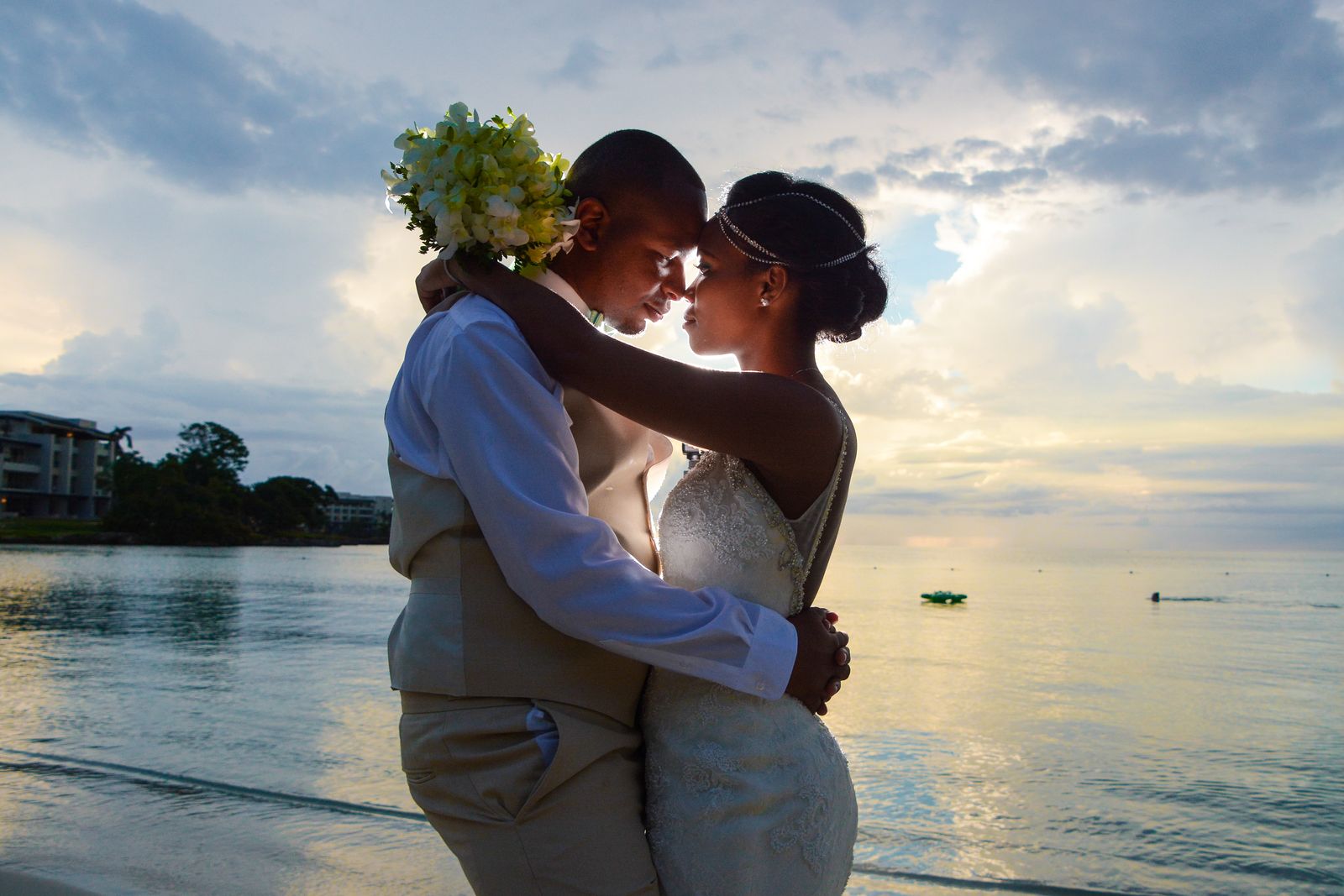
Small-town Virginia: the valley, the mountains and the permit line
West and south of the metros, Virginia's wedding map changes character. The Shenandoah Valley, the Blue Ridge foothills, the Eastern Shore and the southside counties run on regional photographers — Harrisonburg, Staunton, Roanoke and Lynchburg names who travel a circuit of barns, farms, small resorts and church halls. Prices follow the ladder's lower rungs, and the constraints are the familiar small-market ones: a shorter bench, calendars that fill from a handful of names, and travel fees that are a fact of geography on roads that wind.
Virginia adds one small-town wrinkle the other states in this series do not: a national park running down its spine. Shenandoah National Park is a working wedding and elopement location, and its rule is a headcount. Ceremonies of 15 or fewer people — couple, officiant, photographer and guests all counted — need no permit; at 16 or more, a special use permit is required, at $150, applied for at least 30 days ahead. The Blue Ridge Parkway, which continues the same mountains south, requires a permit for ceremonies regardless of size. A photographer who works the park will know which side of the 15-person line your plans fall on, will have Skyline Drive's overlooks timed by season, and will tell you that the permit buys you permission, not privacy — the overlook stays open to every other visitor. That knowledge, not a lower day rate, is what a mountain-market professional is for.
Seasons follow the same mountains. October foliage along the Blue Ridge is Virginia's peak of peaks; spring brings dogwood and the valley's green; summer in the lowlands — Richmond, Williamsburg, Virginia Beach — is a humidity management exercise that experienced local photographers plan around with shade, interiors and later portrait times. Winter thins the calendar everywhere except the ski-country edges, and prices soften accordingly.
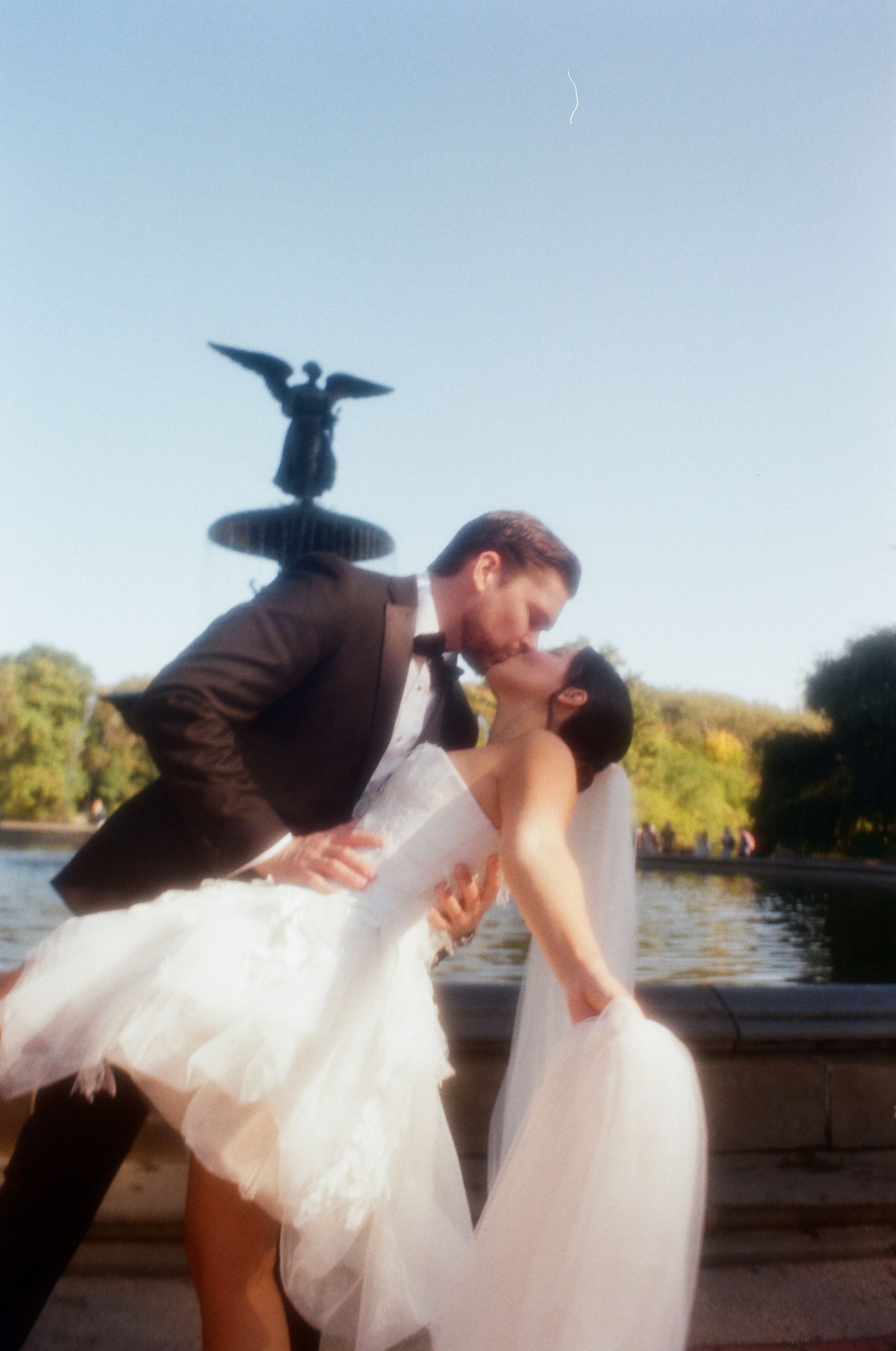
The Eastern Shore and the beach markets
Two Virginia markets run on visitors rather than residents. Virginia Beach and the Hampton Roads waterfront sell summer: ceremonies on sand, receptions in resort ballrooms, and photographers who price weekends in June and September like the hotels do — because their other clients are the hotels' other guests. The Eastern Shore, across the Chesapeake Bay Bridge-Tunnel, is the opposite: a narrow, beautiful peninsula with a thin local bench, where most couples import a photographer from Hampton Roads, Richmond or Maryland's shore and pay the bridge-tunnel toll and the drive as part of the deal. In both markets the decisive question is weather planning. A beach photographer without a wind plan and a rain location is a fair-weather promise; an Eastern Shore import without a travel buffer is a schedule built on a seventeen-mile bridge. Ask both, in writing, before the deposit.
Contracts and the Virginia backstop
Virginia does not license wedding photographers — the state's licensing apparatus, which sorts other trades into tiers, does not reach this one — so the contract and consumer law carry the load. The Virginia Consumer Protection Act prohibits deception, fraud and misrepresentation in consumer transactions, and it has teeth with numbers on them: a consumer who suffers a loss can recover actual damages or $500, whichever is greater, and if the violation was willful, damages can rise to three times the actual loss or $1,000, whichever is greater, with attorney's fees recoverable as well. A photographer who advertises one portfolio and sends a substitute, or takes a deposit for a date they never intended to work, is exposed under that statute in a way that concentrates honest minds wonderfully.
So write the contract like Virginians mean it: named photographer, hours, second shooter, delivery window, tax treatment, substitution and cancellation terms, and — for park and estate weddings — who secures the permits. In the metros, read the associate clause twice. In the small markets, read the failure clause twice: a solo valley photographer has no bench, and the time to learn their backup plan is at booking, not on the morning of the wedding.
The Virginia verdict
Northern Virginia couples: you are in a Washington market — budget for it, book October early, and use the depth to demand the named photographer in writing. Richmond and Hampton Roads couples: you hold the state's middle market, with real choice at $4,800 and honest volume options far below it; compare itemized, tax-aware quotes. Charlottesville couples: you are in a destination market wearing a small city's clothes — prices will not behave like the town's size suggests. Valley and small-town couples: book the regional professional early, pay the mountain-road travel without resentment, and count your party before you plan a park ceremony. Virginia rewards couples who know which of its several states they are marrying in.
Sources
- Photography by Jo, How Much Does a Wedding Photographer Cost in Virginia? — the regional price ladder for Northern, Central, Richmond/Hampton and Southern Virginia, and Charlottesville averages.
- Virginia Wedding Company, photography collections — statewide collections from $4,500, most couples around $6,100, associate coverage at $3,200.
- Virginia Tax, Ruling 16-69 and 23 VAC 10-210-2050 — sales tax applies to the total charge for a photograph, photography time included.
- Virginia Code § 59.1-204 — individual actions under the Virginia Consumer Protection Act: actual damages or $500, trebled for willful violations.
- National Park Service, Shenandoah National Park permits — special use permits for weddings and the park's group-size rules.
Photo credits
- Couple at sunset — photo by Giuseppe Messina, https://www.pexels.com/photo/a-couple-having-a-beach-wedding-4364780/
- Newlyweds at a fountain — photo by Sarah O'Shea, https://www.pexels.com/photo/19713822/
More guides
- How to Find a Wedding Photographer: The Complete, Honest GuidePhotographers › Wedding Photographers
- How Much Does a Wedding Photographer Cost? Packages DecodedPhotographers › Wedding Photographers
- 10 Questions to Ask a Wedding Photographer Before You BookPhotographers › Wedding Photographers
- Wedding Photography Styles Explained: Documentary, Editorial, Traditional, Fine ArtPhotographers › Wedding Photographers
- Hiring a Wedding Photographer in California: Venue Light, Permits, and Price LevelsPhotographers › Wedding Photographers
- All Guides & ArticlesBrowse the full guides library