Photographers › Wedding Photographers
Wedding Photography Across West Virginia: Big-City Choice vs. Small-Town Reality
West Virginia has no big city, and that is the first honest thing to say about its wedding photography market. Charleston, the capital, is a small city. Huntington, Morgantown and Parkersburg are smaller. What the state has instead is a set of distinct pockets, each with its own bench and its own prices: Morgantown, energized by the university and an hour from Pittsburgh's orbit; the Eastern Panhandle, where Harpers Ferry and Shepherdstown sit inside Washington and Baltimore's weekend radius and price accordingly; the Greenbrier valley and the New River Gorge, destination country where couples import expectations along with their guests; and everywhere else — the long, beautiful rest of the state — where the photographer is a local solo operator, the roads are the timeline, and reputation travels by word of mouth because there is no other medium it needs.
I spent years as the assistant on commercial and wedding shoots, which means I was the one watching the clock, the weather and the mountain road while the photographer watched the light. This guide is that view applied to hiring: what each West Virginia pocket actually costs in published prices, what the small-town bench gives you that no import can, and the two state-specific facts — a sales tax that reaches the service itself, and mountain geography that taxes every timeline — that should shape your booking. If you are booking a photographer for the first time, this site lists 564 wedding photographers nationally; West Virginia's share is a short list, and this guide is about reading a short list well.
The pockets, priced
Published West Virginia prices cluster in a band below the national average of about $3,000 — but the band is wide, and where you marry decides where in it you land.
A Morgantown studio, Frame & Flask, publishes the clearest ladder in the state: a two-hour mini collection at $1,000, six hours at $2,600 with a lead photographer and assistant, eight hours at $3,100 with a second shooter and an album, ten hours at $4,400, and multi-day weekend collections running to $5,000, $6,200 and $7,400. Its add-on prices are equally plain: a second shooter at $300, extra hours at $250, drone coverage at $250, and travel beyond 60 miles billed at $0.60 a mile. A Fairmont photographer publishes traditional collections from $3,999 for six hours to $5,299 for ten, with an eight-hour signature collection at $4,499 — and states, in her frequently asked questions, two facts worth memorizing: the listed price does not include West Virginia's 6 percent sales tax, which is added on top, and travel within two hours of Fairmont is included.
Statewide listings fill in the rest of the map. Charleston photo-and-video teams start around $3,000. The Eastern Panhandle — Kearneysville, Harpers Ferry — starts at $3,200, priced by its proximity to the Washington metro as much as by anything in West Virginia. Small-city and small-town names across the state start between $2,700 in Mineral Wells and $4,950 in Morgantown's established tier, with fine-art work based in Ridgeley starting at $5,500. And at the resort end — the Greenbrier at White Sulphur Springs is the state's one true luxury wedding institution — photography is typically bought at destination-luxury levels, whether from the photographers who work the resort circuit or imported teams, and quoted case by case rather than published. The honest summary: a solid full day with a known West Virginia photographer generally costs $2,600–$4,500 before tax, elopements and short coverage run $1,000–$2,500, and the Panhandle and resort markets sit above the band, not in it.
| Published anchors | Character | |
|---|---|---|
| Morgantown / Fairmont / Clarksburg | $2,600–$4,499 full-day collections; weekend packages to $7,400 | The state's deepest bench; university-town energy, Pittsburgh within reach |
| Charleston / Huntington | Teams from about $3,000 | Small-city market; state-capital venues, river towns |
| Eastern Panhandle | From $3,200 | DC/Baltimore weekend spillover; historic towns, higher floor |
| Greenbrier / New River Gorge | Quoted case by case; destination levels | Resort and national-park scenery; imported expectations |
| Small towns statewide | From about $2,700; many below | One-name benches; word-of-mouth reputation |
What "big-city choice" means in a state without one
In West Virginia, the metro option is usually not a bigger in-state city. It is Pittsburgh, Washington, Columbus or Charlotte — an imported team with a bench, a second shooter on staff and a portfolio of ballrooms. Imports earn their premium in exactly the situations this state's weddings keep creating: a 250-guest resort wedding, a split day across two towns, a venue with a hard load-in and no forgiveness. What imports cannot bring is the mountain itself. The assistant's-eye truth of West Virginia work is that the state's photography is logistics wearing a dress: a ceremony in a hollow where the sun leaves at 4 p.m. in October because the ridge takes it, a reception forty minutes away on a two-lane road that no one should drive fast after dark, a gorge overlook where the wind has a schedule. A photographer from Fairmont or Fayetteville carries that knowledge in their bones. A talented import learns it on your day, at your expense, if the day forgives the lesson.
The local bench has the opposite profile: thinner, personal, and exposed. Most West Virginia photographers are solo operators or couples. There is no associate pool in Wellsburg. So the first-time buyer's checklist in this state is the professional one, undiluted: a contract naming who shoots and who replaces them; a delivery window in writing; references from venues, which in small West Virginia towns are devastatingly honest; and full galleries — two of them, one in your season — because a state this photogenic makes everyone's highlight reel look gifted.
The Gorge, the Greenbrier and the permit habit
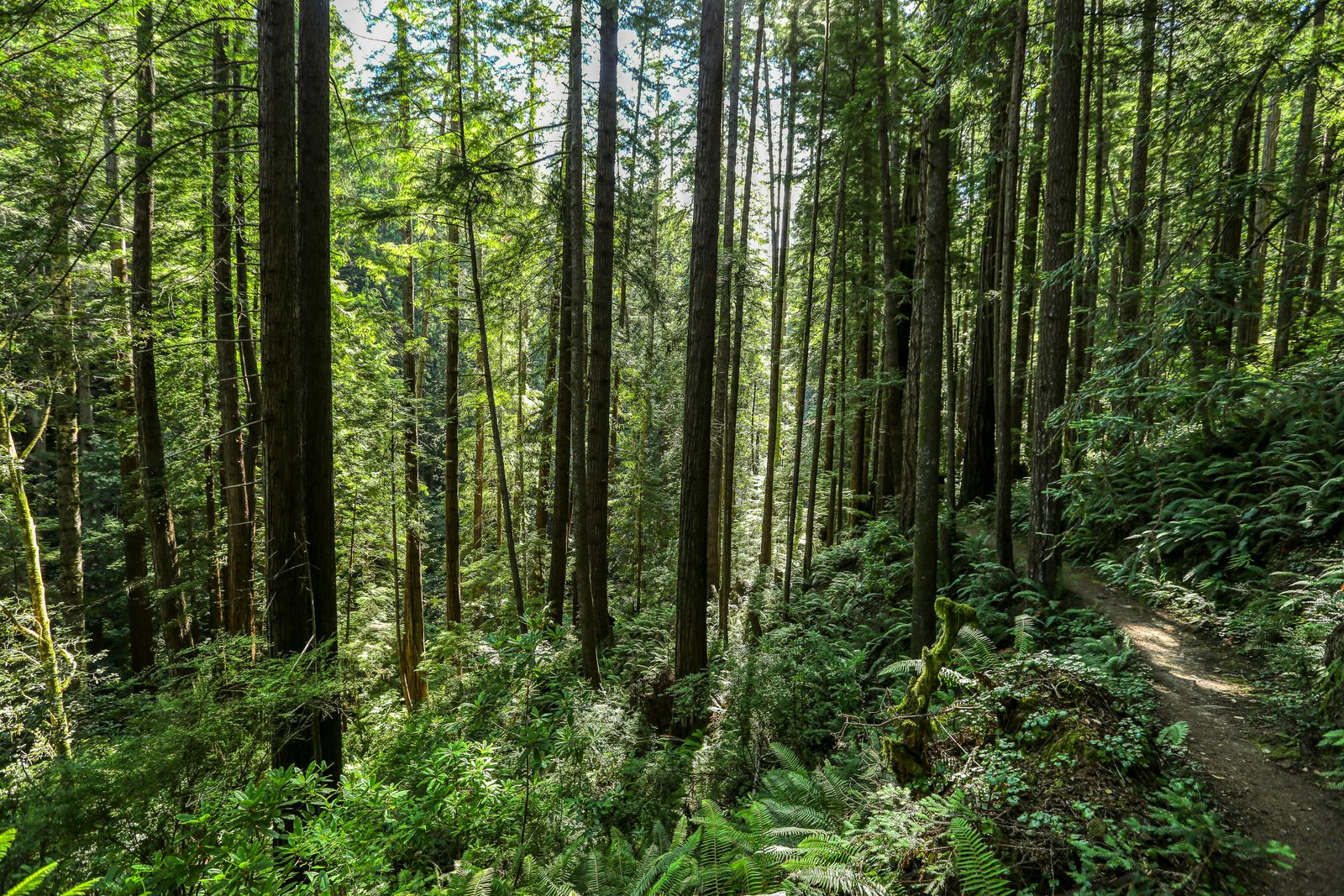
The New River Gorge — now a national park — and the state parks and resort properties around it are where West Virginia weddings meet paperwork. Ceremonies inside the national park require a special use permit, with approved locations and group conditions, and your photographer works under that permit's terms; resort and park venues have their own site rules, photography conditions and timelines. The working habit to buy is the same one that serves couples in every permit landscape: the photographer raises it first. A Fayette County photographer who shoots the Gorge monthly will tell you which overlooks are permitted, what the group limits do to your ceremony plan, and where the portraits happen when the rim is crowded. A photographer who has never asked the question has never worked the rim. Put the permit — who files it, who pays the fee, what it restricts — in the contract in so many words.
Season does the rest of the Gorge's talking. Fall is the state's premium: the Gorge in October color is the cover of the brochure, and October Saturdays across West Virginia book earliest and price highest. Spring brings high water, green hills and rain that arrives in earnest. Summer is humid in the hollows and glorious on the ridges. Winter is the quiet bargain — bare ridges, empty venues, photographers with open calendars — for couples willing to build a timeline around a short day.
The tax: West Virginia taxes the service
West Virginia's consumers sales and service tax is exactly what its name says. Under West Virginia Code §11-15-3, the state taxes not only tangible goods but selected services at 6 percent, and services in this state are taxable by default unless specifically exempt — photography is expressly among the taxable services, not the exempt professional ones. Municipalities may add up to 1 percent more where the sale is sourced. That is why the Fairmont photographer's FAQ reads the way it does: the 6 percent is added to the listed collection price, not buried in it.
For a first-time buyer, three consequences follow. Compare quotes after tax. A $3,100 collection in a municipality with the extra 1 percent is a $3,317 collection; a $4,499 collection at 6 percent is $4,769. The differences are small but real, and they are knowable before you sign, not after. Expect the tax line and respect it. A West Virginia photographer who adds 6 percent is following the published law of their state; one whose quote is mysteriously tax-free on a taxable service is a question, not a bargain. Travel and add-ons ride along. The tax applies to the taxable sale as billed, so the mileage line and the second-shooter fee are part of the same conversation — another reason to get the whole quote, itemized and taxed, in writing before the retainer moves.
How to hire, pocket by pocket
In Morgantown and the north-central bench, you have real choice — use it. Compare the published ladders, note who includes the second shooter and the album at which tier, and let the weekend collections tell you who is set up for multi-day work. In the Eastern Panhandle, price against Washington as well as West Virginia; the floor is set by the metro an hour east, and local names at $3,200 are competing with imports, which keeps everyone honest. At the Gorge and the Greenbrier, hire the permit and the place before the portfolio: site fluency, resort-circuit experience and a contract that names the paperwork. In the small towns, hire the person, paper the backup, build the timeline around the ridges and the roads, and enjoy the advantage no import sells — a photographer whose reputation lives in the same town as your wedding, and who intends to keep it there.
West Virginia rewards first-time buyers who stop looking for a big-city market that does not exist and start reading the state as it is: a collection of pockets, each with a fair price, a real bench or an honestly thin one, and scenery that does half the photographer's work while the roads do their best to undo the other half. Hire for the pocket you are marrying in, get the tax and the travel in writing, and the pictures will look like the place — which, in this state, is the highest compliment wedding photography can earn.
Sources
- Frame & Flask, Morgantown wedding photography pricing — collections from $1,000 (two hours) to $4,400 (ten hours), weekend collections to $7,400, second shooter at $300, travel beyond 60 miles at $0.60 per mile.
- Sunflower & Sage Photography, Fairmont wedding collections — collections from $3,999 to $5,299, with West Virginia's 6 percent sales tax added to listed prices and travel within two hours included.
- Zola, West Virginia wedding photographer listings — starting prices across the state, including $3,200 in the Eastern Panhandle, $3,000 in Charleston and $5,500 for Ridgeley fine-art work.
- West Virginia Code §11-15-3 and §11-15A-2 — consumers sales and service tax at 6 percent, with services taxable by default and photography among the taxable services; municipal taxes of up to 1 percent may apply.
Photo credits
- Forest in filtered light — photo by Mick Haupt, https://www.pexels.com/photo/green-plants-and-trees-in-a-forest-5586120/
- Couple by the water at sunset — photo by Giuseppe Messina, https://www.pexels.com/photo/a-couple-having-a-beach-wedding-4364780/
- Couple toasting in celebration — photo by Lilen Diaz, https://www.pexels.com/photo/joyful-wedding-couple-toasting-in-mendoza-vineyard-31531920/
More guides
- How to Find a Wedding Photographer: The Complete, Honest GuidePhotographers › Wedding Photographers
- How Much Does a Wedding Photographer Cost? Packages DecodedPhotographers › Wedding Photographers
- 10 Questions to Ask a Wedding Photographer Before You BookPhotographers › Wedding Photographers
- Wedding Photography Styles Explained: Documentary, Editorial, Traditional, Fine ArtPhotographers › Wedding Photographers
- Hiring a Wedding Photographer in California: Venue Light, Permits, and Price LevelsPhotographers › Wedding Photographers
- All Guides & ArticlesBrowse the full guides library