Photographers › Wedding Photographers
Wedding Photography in Austin: Costs, Choices and Local Advice
Ask an Austin photographer when wedding season is and you will get the local answer: spring and fall, with a furnace in between. March through May and September through November are when this city marries — bluebonnet weeks, warm-but-not-brutal evenings, and the Hill Country venue belt from Dripping Springs to Wimberley running at full capacity. Summer weddings happen, but they are scheduled like athletic events, around heat that can sit above 100 degrees at ceremony time. Layer on top the city's other calendar — South by Southwest in March, Austin City Limits across two October weekends, Formula 1 weekends, UT football Saturdays — when hotel rooms, flights, and every vendor in town tighten at once, and you have a market where when you marry moves the price of photography almost as much as who you hire.
I assisted photographers in markets like this one, and Austin's version of the trap is consistent: couples budget from a national average, then discover that Austin prices run above it, that their October Saturday is the most contested date of the year, and that the pretty park in the engagement photos needs a permit with a blackout calendar of its own. All avoidable — with local numbers.
What Austin costs
The national anchor, from The Knot's Real Weddings Study, sits near $2,900 to $3,000 for a wedding photographer. Austin runs above it — local guides estimate roughly 20 to 40 percent above the national figure, driven by the Hill Country venue belt keeping full-time photographers booked most weekends from March through November. Most Austin couples in 2026 pay between $3,000 and $5,000, in a wider market running from about $2,000 for newer photographers to $15,000 and up for luxury studios. One veteran Austin photographer's breakdown puts the average couple's spend around $6,000 on photography alone, rising toward $9,000 once rehearsal-dinner coverage and an heirloom album join the package — a reminder that "photography" in a quote may or may not include the things around the day itself.
| Tier in Austin | Typical 2026 price | What usually marks it |
|---|---|---|
| Newer photographers | $2,000–$3,500 | Building a portfolio, often part-time; 6–8 hours, one photographer |
| Established full-time | $3,500–$5,500 | The Austin middle: eight hours, consistent work, second photographer often an add-on at $500–$1,200 |
| In-demand specialists | $5,500–$7,000+ | Booked 12–18 months out for peak Saturdays; full-day coverage, second photographer common |
| Luxury studios | $7,000–$15,000+ | Two photographers standard, limited calendars, album programs; some collections begin at $8,000 with typical spends of $9,000–$14,000 |
Read published Austin prices carefully, because the city's studios present them differently: seven studios that publish prices run from $1,495 for six hours with one photographer to $9,650 for a three-day weekend package, with eight hours and two photographers clustering at $4,000 to $5,400 and ten-hour days with albums at $5,600 to $7,500. Engagement sessions — the standard Austin tryout with your photographer — run $275 to $800 depending on whether they are bundled, and bridal sessions, a genuine Texas tradition discussed below, add $400 to $700 when bought separately. Retainers sit outside the sticker price too: expect $1,000 or 50 percent to hold a peak date.
The geography: city venues, Hill Country gravity
Most Austin weddings are not, photographically, in Austin. The venue belt runs west — Dripping Springs calls itself the Wedding Capital of Texas, and the corridor through Wimberley, Driftwood, and the Hill Country holds a dense share of the region's barns, ranches, and vineyard venues, typically 20 to 50 minutes from downtown. That gravity shapes the market: many Austin photographers are really Hill Country photographers, their portfolios built on oak-shaded ceremonies, limestone terraces, and receptions under string lights, and their travel assumptions priced for the drive west. A photographer whose book is all downtown rooftops and hotel ballrooms may be excellent and still be the wrong hire for a ranch wedding at dusk — ask for galleries from your venue's terrain, not just its city.
Inside the city, the venue types split cleanly. Downtown and East Austin offer industrial spaces, rooftops, and historic homes with mixed light and tight load-ins. South Congress and the central neighborhoods offer the classic Austin portrait geography — murals, the skyline from across the river, live-oak parks. And the bridal session deserves its own paragraph, because out-of-state couples are always surprised by it: in Texas, the bride commonly schedules a full portrait session in her dress weeks before the wedding, with the finished portrait displayed at the reception. It is a real line item, a real tradition, and — practically — a superb rehearsal with your photographer. If your photographer's packages assume one and you do not want it, or vice versa, settle it at booking, not in the month before.
Permits: four parks, fifty dollars, and a blackout calendar
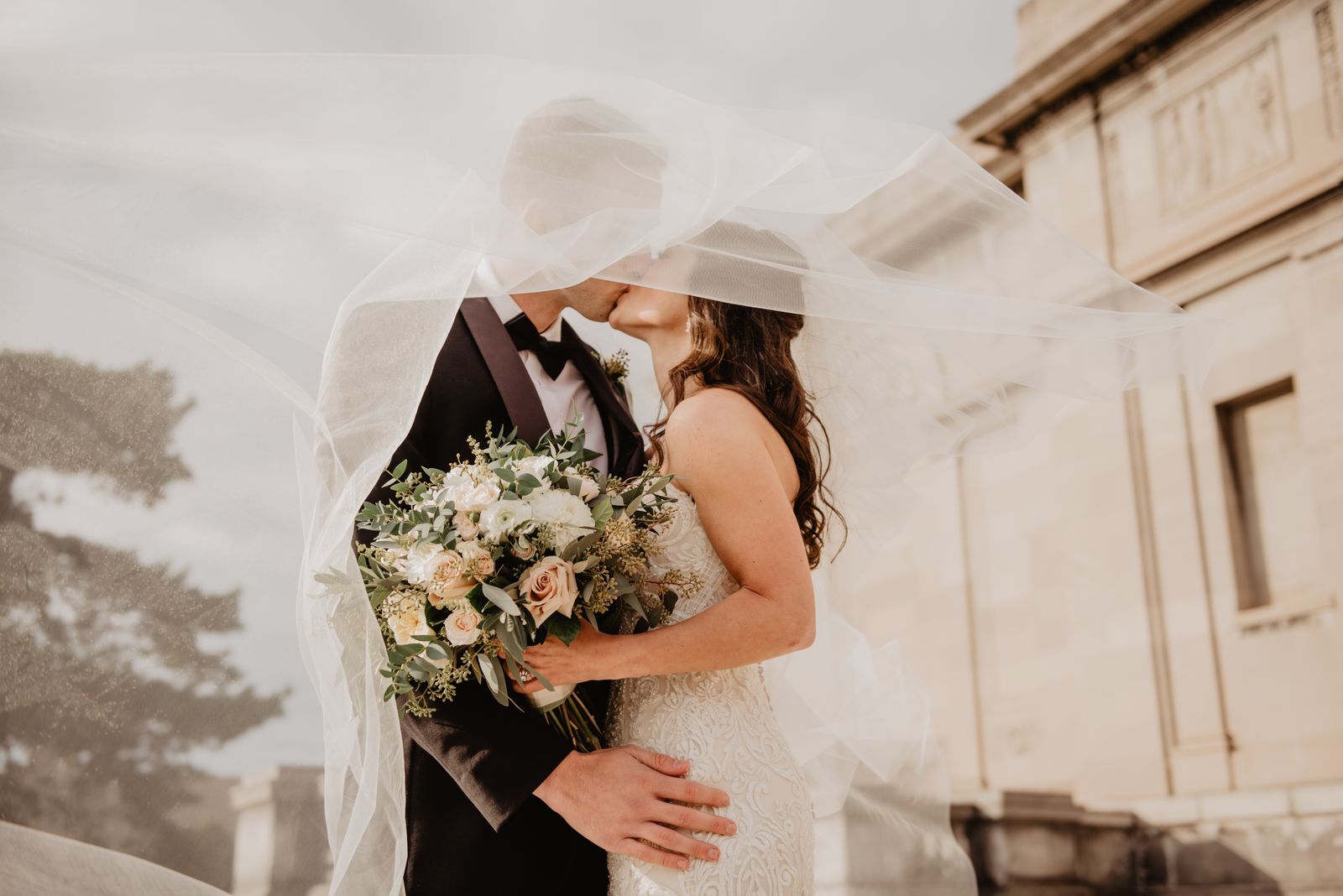
Austin's permit system is unusually legible, and unusually narrow. The City of Austin requires a photo session permit for posed, portrait, or commercial photography at exactly four park locations: Auditorium Shores, Mayfield Cottage and Gardens, Mt. Bonnell at Covert Park, and Zilker Metropolitan Park. The permit costs $50 for a two-hour session, is booked four to thirty days ahead, allows up to two sessions per day, and belongs to the photographer who booked it. Professional photography, in the city's definition, means receiving compensation — money or barter — or shooting for promotional purposes.
The details that bite: Zilker Botanical Garden, inside Zilker Park, runs its own system — a separate $50 photography pass covering the photographer plus one assistant, with everyone else paying regular admission. Sessions are blacked out during confirmed rental events at the park and during special events and holidays — which, at Zilker, means the first two weekends of October vanish into Austin City Limits, exactly when every couple in the city wants golden-hour portraits under the oaks. Laguna Gloria, the lakeside art museum whose grounds appear in half the engagement portfolios in Austin, charges $100 per hour for bridal, family, and engagement portraits, booked at least 72 hours ahead. And beyond the city's list, the authorities multiply: Hamilton Pool is Travis County's, with a per-vehicle reservation and separate county approval for commercial photography, and the state parks and LCRA parks west of town each run their own permissions.
Every other Austin park sits outside the permit list entirely — there is no permit to buy for them — which leaves paid sessions in a grey zone that local photographers navigate by keeping sessions small, handheld, and unobtrusive. The practical rule for couples: name every portrait location at booking, and make the photographer state, location by location, which permit applies and who is filing it. At $50 and a two-hour slot, the permit is the cheapest insurance in the whole wedding.
Heat, storms, and the festival calendar
Austin's seasons are a photographer's working conditions. Summer ceremonies are heat management: shade for the wedding party, water everywhere, portraits compressed into the last hour of light, and a photographer who will move formals indoors without being asked. Spring brings the opposite risk — Central Texas storm season, with Hill Country venues watching radar and the rain plan (usually the reception space, flipped) becoming the ceremony. Ask to see a wet wedding. In this market it is not a hypothetical.
Then there is the calendar the whole city shares. An October wedding in Austin competes with ACL for hotels, flights, and vendor attention; a March wedding competes with SXSW; a fall Saturday competes with Longhorns football for your out-of-town guests' rooms. None of this forbids those dates — October's weather is precisely why everyone wants it — but it argues for booking photographers twelve to eighteen months ahead for peak Saturdays, which local photographers confirm is the real lead time, and for warning guests early. The compensating bargain is winter: Austin's mild December and January, outside the holiday weekends, are when the city's photographers have open calendars and negotiating room, and the light — low, golden, early — is arguably the year's best.
The Texas tax line — read this one twice
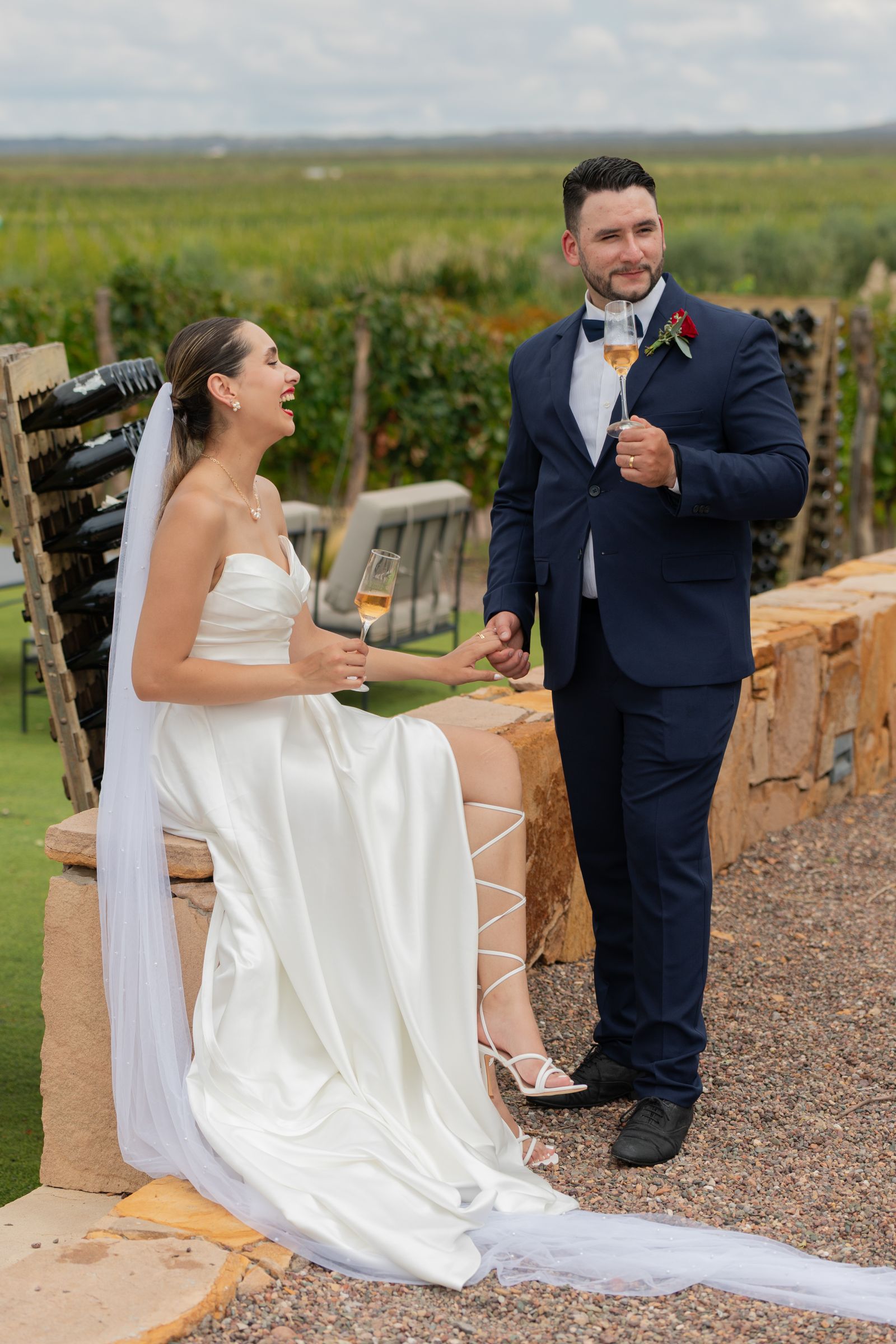
Texas treats photography taxes more aggressively than most states, and Austin couples importing expectations from California or New York get this wrong. Under the Texas Comptroller's guidance — Publication 94-176 and Rule 3.312 — sales of photographs are taxable however they are delivered: as prints, on a disc, digitally, electronically, or by any other medium. Tax applies to the entire charge billed to the customer, including sitting fees and every expense directly related to producing and selling the photographs, whether the bill is a lump sum or itemized line by line. The state rate is 6.25 percent, with local taxes bringing combined rates to as much as 8.25 percent.
The consequence for your budget is simple arithmetic: on a $6,000 Austin package, sales tax adds roughly $375 to $495 on top of the sticker price, and it is not optional, negotiable, or a sign of a dishonest photographer — it is Texas law applied to the whole invoice, digital files included. When you compare quotes, compare them tax-included. A photographer whose price looks $400 lower may simply be showing you the pre-tax figure.
Choosing in Austin
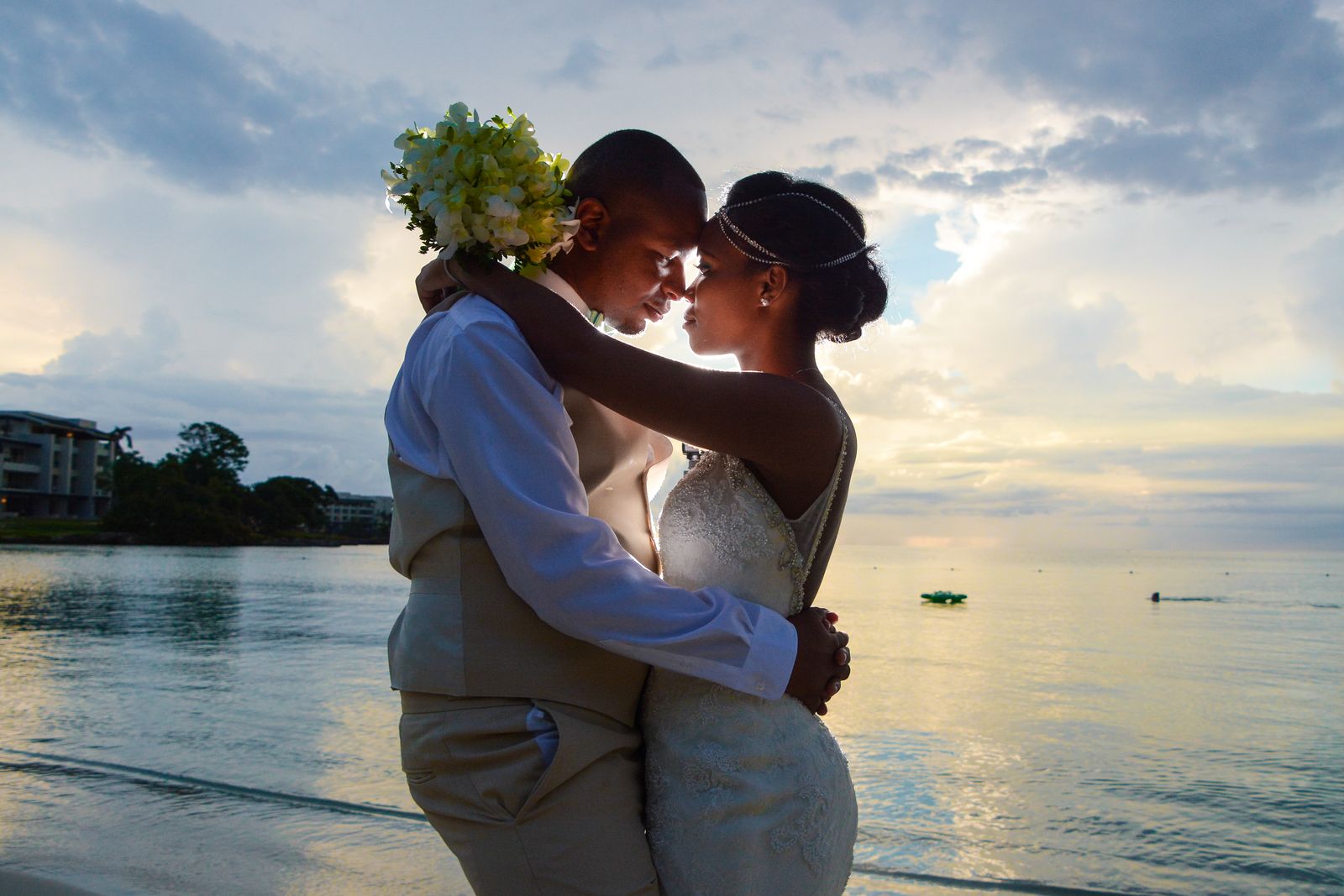
Book twelve to eighteen months out for a spring or fall Saturday; shorter for winter and weekdays, when this market breathes. Shortlist by terrain — Hill Country, downtown, or both — and view full galleries from your venue type. Put the portrait locations and their permits in the contract, the bridal session in or out explicitly, the delivery window in writing, and every quote compared tax-included.
This site lists more than 560 wedding photographers. Filter them to Austin, and then do the local work: ask each finalist how they handle a 104-degree August ceremony, a Hill Country rain flip, and an ACL weekend. The answers will sort your list faster than any portfolio — because in Austin, the photography is the easy part. The city is the assignment.
Sources
- Austin wedding photography pricing guides for 2026 — most couples paying $3,000–$5,000, market from about $2,000 to $15,000 and up, entry level $2,000–$3,500, mid-range $3,500–$5,500, premium $5,500–$7,000 and above, second photographers at $500–$1,200, engagement sessions at $400–$800, and bridal sessions at $400–$700.
- Caitlin McWeeney Photography, Austin pricing breakdown — most Austin photographers between $3,000 and $10,000, an average couple's spend around $6,000 on photography and about $9,000 with rehearsal coverage and an heirloom album, and peak Saturdays in March, April, May, October, November, and December.
- Friesen Co, Austin wedding photography cost guide — Austin prices roughly 20–40 percent above the national figure, attributed to the Dripping Springs-to-Wimberley venue belt, with in-demand specialists booking 12–18 months out and October and November Saturdays the most contested dates.
- Austin Photoblog survey of seven Austin studios' published prices, November 2026 — packages from $1,495 for six hours with one photographer to $9,650 for a three-day weekend, eight hours with two photographers at $4,000–$5,400, engagement sessions at $275–$700, and retainers of $1,000 or 50 percent sitting outside the sticker price.
- City of Austin Parks and Recreation photo permit guidance — a $50 permit per two-hour session for posed, portrait, or commercial photography at Auditorium Shores, Mayfield Cottage and Gardens, Mt. Bonnell, and Zilker Metropolitan Park, booked four to thirty days ahead, with sessions blacked out during rental events, special events, and holidays.
- Austin location permit listings — Zilker Botanical Garden's separate $50 photography pass covering the photographer plus one assistant, Laguna Gloria portrait sessions at $100 per hour booked at least 72 hours ahead, and Hamilton Pool's Travis County reservation plus separate commercial photography approval.
- Texas Comptroller of Public Accounts, Publication 94-176 and Rule 3.312 — sales of photographs taxable in any medium including digital and electronic delivery, tax due on the entire billed charge including sitting fees and production expenses, at 6.25 percent state tax plus local taxes up to a combined 8.25 percent.
Photo credits: wedding couple portrait — photo by Emma Bauso, https://www.pexels.com/photo/2253870/ ; vineyard toast — photo by Lilen Diaz, https://www.pexels.com/photo/joyful-wedding-couple-toasting-in-mendoza-vineyard-31531920/ ; wedding couple at sunset — photo by Giuseppe Messina, https://www.pexels.com/photo/a-couple-having-a-beach-wedding-4364780/
More guides
- How to Find a Wedding Photographer: The Complete, Honest GuidePhotographers › Wedding Photographers
- How Much Does a Wedding Photographer Cost? Packages DecodedPhotographers › Wedding Photographers
- 10 Questions to Ask a Wedding Photographer Before You BookPhotographers › Wedding Photographers
- Wedding Photography Styles Explained: Documentary, Editorial, Traditional, Fine ArtPhotographers › Wedding Photographers
- Hiring a Wedding Photographer in California: Venue Light, Permits, and Price LevelsPhotographers › Wedding Photographers
- All Guides & ArticlesBrowse the full guides library