Photographers › Wedding Photographers
Wedding Photography in California: A Resident's Guide to Costs and Rules
National wedding advice travels badly into California. The national average for a wedding photographer — about $2,900 to $3,000 on recent survey figures — describes a country California does not live in. The permit that nobody mentioned in the planning podcast turns out to be compulsory at the Malibu beach you chose. And the sales-tax line on your invoice, which looks like a mistake, is California law working exactly as written.
I book photographers for events for a living, and California is the state where I ask the most questions per booking. This is the resident's version of the guide: what photography actually costs in the state's different markets, the two California rules — permits and sales tax — that catch couples out, and the parts of the year and the map where local knowledge is worth real money.
What California costs, market by market
Start with the shape of the state. California is not a market; it is a stack of them, and the honest ranges look like this:
| Market | Experienced photographer, typical range | What sets the price there |
|---|---|---|
| San Francisco Bay Area | $5,500–$10,000 | The state's priciest wedding market overall — an average San Francisco wedding runs about $51,500 — with established names at the top of the range |
| Los Angeles and Orange County | $5,000–$10,000 | City averages around $5,000; Malibu, Santa Barbara, and Montecito luxury work runs $10,000–$25,000 |
| San Diego | $3,500–$6,500 | A genuine step below the two big metros, except in coastal luxury pockets such as La Jolla, which price like Los Angeles |
| Wine country — Napa, Sonoma, Paso Robles | $5,000–$10,000 in season | September–October harvest pricing; spring dates carry the negotiating room |
| Central Valley — Fresno, Bakersfield, Modesto | $2,500–$5,500 | The state's value market: Zola's vendor data puts Bakersfield about 74 percent below San Francisco, and experienced Valley photographers work close to the national average |
Statewide summaries agree on the broad band: California photographers commonly charge $3,500 to $6,500, photography takes roughly 10 to 12 percent of a California wedding budget, and one large planning platform puts the typical California spend for a 100-guest wedding at about $3,400 — a figure that mixes in the Valley and the smaller markets, which is why it sits below the metro ranges above. Published California tiers tell the same story from the photographer's side: emerging photographers at $1,000 to $2,500, established mid-range studios at $2,500 to $5,500, and premium, publication-featured names at $5,500 to $15,000 and above.
Three resident warnings about these numbers. First, "starting at" buys hours, not a wedding: compare full packages — coverage hours, a second photographer, delivery format, album — or you are comparing a headline, not a product. Second, a quote far below the local band in a metro market usually means the photographer is subsidising it with volume, an associate whose work you have not seen, or a delivery date measured in seasons. Third, the cheapest California strategy that actually works is geographic: a Fresno or Sacramento photographer of ten years' standing, booked for a Valley or foothills wedding, will often out-shoot a coastal name at twice the price who is driving in unfamiliar. Local is not a compromise in this state. It is frequently the upgrade.
Rule one: paid photography on public land is commercial photography
Here is the California rule that surprises residents most, because it feels disproportionate right up until a ranger explains it. California State Parks defines commercial photography as a person paying another person to take photographs of them — and names engagement and wedding photography as examples. The moment you hired your photographer, your portrait session stopped being a walk on the beach, legally speaking, and became a permitted activity.
That definition covers a long list of places Californians actually marry and pose: El Matador and Leo Carrillo state beaches in Malibu, much of the Big Sur coast, state beaches the length of the state, redwood parks in the north. State Parks asks for special-event permit applications a minimum of 30 days ahead in many districts and 45 days in some, and liability insurance certification is a standard requirement. State beaches are also handled through the California Film Commission, with a review fee of about $100 a day and a minimum of four business days' lead time — two systems that overlap just enough to confuse everyone, which is why your photographer, not you, should be filing.
Los Angeles deserves its own paragraph, because a single afternoon there can cross five landowners:
| Where you are shooting | Who issues it | Published cost |
|---|---|---|
| City of Los Angeles park | FilmLA and the Park Film Office | $104 application fee, plus about $75 a day park use |
| Los Angeles County park or beach | The county, via FilmLA | About $100 a day on top of the application fee — the county states plainly that hiring a professional photographer triggers the permit |
| Santa Monica beach and pier | The city's own film office | From about $110 |
| Beverly Hills | The city | A specific wedding and group photo permit, about $86 an hour, two hours maximum |
| Malibu state beaches | California Film Commission and State Parks | About $100 a day review fee, at least four business days ahead |
| The Getty Center | Nobody | No professional wedding or engagement photography at all, permit or no permit |
The practical resident move is not to memorise this table. It is to put one sentence in your contract: who researches, files, and pays for permits, by name. Practices vary — many California photographers file and pass fees through at cost — but an unpermitted session stopped mid-afternoon is, at most studios, not a refund event. And build nature into the plan while you are at it: El Matador's arches and coves are cut off at high tide, so the session is built around the tide chart as well as the sunset. A photographer who shoots there regularly knows this in their bones. One who does not will learn it with you, in formal shoes.
Rule two: the album decides your sales tax
California's tax authority, the CDTFA, taxes photography by a rule that is logical once you hear it and baffling until then. If your photographs are delivered purely electronically — a gallery download, nothing tangible changing hands — the charge is generally not taxable. If anything tangible is delivered — an album, prints, even a USB drive — tax applies to the entire charge: the shooting, the editing, the reproduction rights, all of it, not just the price of the album.
The statewide base rate is 7.25 percent, and district taxes push the combined rate higher in much of the state. On a $6,000 Los Angeles package, the distinction between digital-only delivery and the same package with an album in it is worth several hundred dollars. Two conclusions follow. First, the tax line on a California invoice that includes an album is legitimate — do not accuse your photographer of inventing it. Second, structuring matters and is a normal conversation: many couples take digital delivery for the main package and buy the album afterwards as its own purchase. That is lawful, common, and worth raising before you sign, not after the invoice arrives.
While contracts are open: expect a retainer around 50 percent to hold a California date, non-refundable as standard practice, and get the gallery delivery window in writing. Six to twelve weeks is the honest peak-season range in this state. Anyone promising a complete edited wedding in a week in October is describing a preview set.
The California calendar, honestly
The coast, May to July, runs on marine layer — May Gray and June Gloom. It can sit over a beach venue until late morning or all day. It is soft, even, flattering portrait light, and photographers who work the coast well love it. But if the wedding in your head ends in a blazing June sunset, know the coast may hand you fog instead, and choose a portfolio with beautiful grey-light work in it.
Inland, June to September, the problem inverts. Central Valley and inland-valley afternoons — Fresno, Sacramento, Paso Robles — routinely pass 100 degrees. Midday portraits become an endurance event for guests, makeup, and tempers. Inland summer weddings need shade, a late ceremony, and a photographer willing to insist on both.
Wine country prices and books around crush: September and October, when the vines are fullest and every vendor is at peak. Book a year or more out for harvest Saturdays, or take spring — green hills, mustard bloom, and photographers who still answer emails.
Fire season is now a contract clause, not a footnote. Late summer and autumn smoke can turn a Sierra, foothills, or wine-country afternoon orange and airless, and venues close for fire as well as smoke. Your agreement should say what happens then: rescheduling terms and a force-majeure clause that contemplates both.
Winter is a clock problem. By mid-December the sun sets around 4:45 p.m. in Southern California and earlier in the north, so a 3 p.m. ceremony means portraits after dark unless you do a first look in the early afternoon. The desert flips it again: Palm Springs and Joshua Tree are glorious October to April and genuinely punishing at midday from May onward.
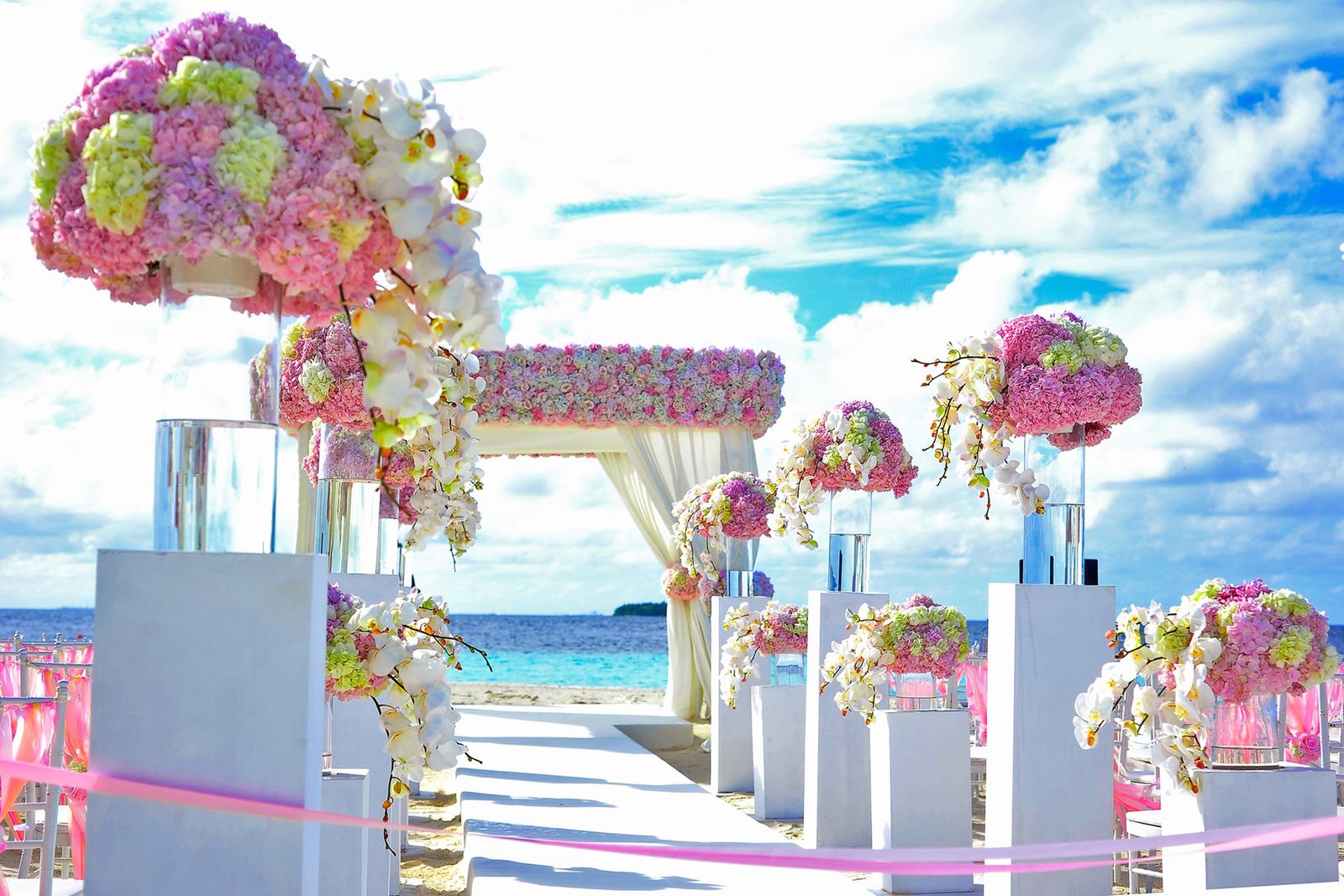
One geographic gift underlies all of it: the coast faces west. A California beach ceremony ends facing the sunset, which is why this state produces those backlit processionals — and why an experienced coastal photographer will argue, correctly, for a ceremony time that lands your portraits in the last ninety minutes of light.
Hiring like a resident
Judge portfolios by venue type, because California venues are different jobs. Vineyards end in barrel rooms and caves with almost no light. Redwood venues are dark under the canopy at noon — fast-lens, high-ISO work that a beach portfolio does not prove. Beaches mean wind, sand, permits, and tides. Private estates in Beverly Hills, Montecito, and Atherton come with preferred-vendor lists and hard load-out rules that local photographers navigate without drama. Desert venues mean heat management and brutal midday contrast.
Ask every serious candidate for two complete galleries, ideally one at a venue like yours, and ask who, exactly, will shoot — in metro markets especially, a studio's name on the contract does not guarantee the person whose work sold you. Confirm the backup plan for illness, in writing. And weigh the travel question honestly: most California photographers include 50 to 100 miles, and San Francisco to Los Angeles is about 380 miles, so an imported photographer brings a style you love plus flights, lodging, and a travel fee that can erase the saving you thought you found. For Big Sur, Yosemite, and Joshua Tree, expect a night or two of lodging in the quote, and do not begrudge it — nobody should drive mountain roads home at midnight after a ten-hour wedding day.
This site lists 564 wedding photographers, and the resident's way to use that depth is as a map, not a verdict: filter to your market and your venue type, verify with full galleries, put permits, tax treatment, delivery, and backup in the contract, and book the photographer whose California — coastal, valley, desert, or wine country — is the same California you are marrying in. Do that, and the state's rules stop being surprises and start being what they are for the photographers who thrive here: just the local weather, planned for.
Sources
- Joy, Real California Wedding Costs in 2025 — California photographers typically $3,500–$6,500, photography about 10–12 percent of budget, and average total wedding costs of about $51,500 in San Francisco and $44,740 in Los Angeles.
- Wedding Realm, Best Wedding Photographers and Videographers in California for 2026 — California pricing tiers of $1,000–$2,500 for emerging photographers, $2,500–$5,500 mid-range, and $5,500–$15,000 and above premium.
- Zola, California wedding photographer listings — typical spend of about $3,400 for a 100-guest wedding, and San Francisco priced about 74 percent above Bakersfield.
- LeanAmy Photography, Wedding Photographer Cost guide — experienced California photographers at $5,000–$10,000, with luxury and multi-day work at $10,000–$25,000.
- California State Parks, Special Event Permits — commercial photography defined as paying another person to take photographs, expressly including engagement and wedding photography, with applications a minimum of 30 days in advance.
- Lulan Studio, Engagement Photo Permits in Los Angeles (2026 Guide) — FilmLA application fee of $104, City of Los Angeles park use of about $75 a day, county fees of about $100 a day, Santa Monica from about $110, Beverly Hills wedding permit at about $86 an hour, and state-beach review fees of about $100 a day.
- CDTFA, Tax Guide for Event Planners and Publication 68, Photographers — photographs transferred only electronically, with nothing tangible provided, are generally not taxable, while tangible delivery makes the entire charge taxable; statewide base rate 7.25 percent.
- Beach ceremony — photo via Pexels, https://www.pexels.com/photo/169192/
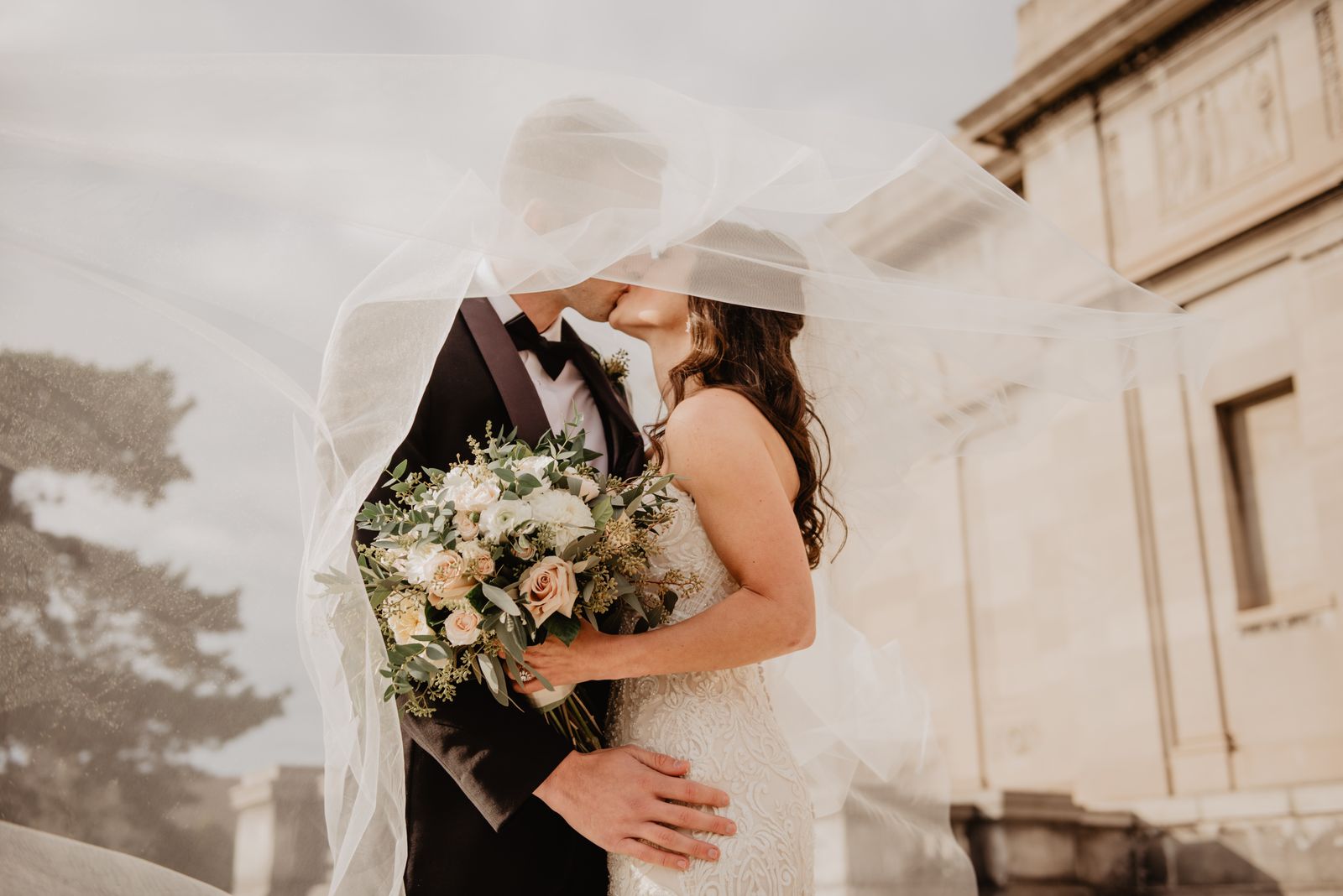
- Couple under a veil — photo via Pexels, https://www.pexels.com/photo/2253870/
- Bouquet detail — photo via Pexels, https://www.pexels.com/photo/931162/
More guides
- How to Find a Wedding Photographer: The Complete, Honest GuidePhotographers › Wedding Photographers
- How Much Does a Wedding Photographer Cost? Packages DecodedPhotographers › Wedding Photographers
- 10 Questions to Ask a Wedding Photographer Before You BookPhotographers › Wedding Photographers
- Wedding Photography Styles Explained: Documentary, Editorial, Traditional, Fine ArtPhotographers › Wedding Photographers
- Hiring a Wedding Photographer in California: Venue Light, Permits, and Price LevelsPhotographers › Wedding Photographers
- All Guides & ArticlesBrowse the full guides library