Photographers › Wedding Photographers
Wedding Photography in Connecticut: Permits, Prices and Local Know-How
Connecticut packs three wedding markets into a state you can drive across in two hours. Fairfield County, in New York City's orbit, prices like a metro suburb because it is one. The shoreline — Mystic, Stonington, the towns along Long Island Sound — sells a New England coastal product at a premium in summer. And the quieter interior, from the Litchfield Hills to the Connecticut River Valley, offers barns, inns and historic properties at prices that look like a different state's. National wedding advice treats these as one market. They are not, and the photographer who is right for a Greenwich estate is not automatically right — or right-priced — for a river-valley barn.
This guide is the Connecticut version: what wedding photography actually costs here, the state-park permit rules that catch couples out, the drone restriction almost nobody mentions, and the seasonal realities of a small state with four real seasons.
What Connecticut costs
Start with the shape of the market. Working Connecticut photographers publish collections that run from about $3,000 for five hours of coverage for a small wedding up to about $7,850 for top collections with two photographers and an album — one long-established Fairfield County studio's most popular collection is $5,000 for up to eight hours and roughly 800 edited images, with a second photographer adding $750, extra hours at $450, and an engagement session in Connecticut at $800. Another Fairfield County documentary studio starts full-day coverage at $5,500, with most couples spending $5,500–$6,500 once albums and artwork are included. At the accessible end, some Fairfield County photographers open wedding collections near $1,750 — proof that "Fairfield County prices" is a range, not a ransom note.
Independent cost estimates for individual Connecticut towns land in the same territory:
| Area | Typical photography spend | Notes |
|---|---|---|
| Stamford and lower Fairfield County | About $4,500–$10,000; typical around $6,500 | Proximity to Manhattan pulls prices up; NYC and Westchester photographers often add $200–$500 in travel |
| Bridgeport area | About $3,500–$8,500; median around $5,200 | Draws on the wider Fairfield County pool; travel fees of $150–$500 are common from beyond 30 miles |
| Fairfield town estimates | Roughly $3,100–$5,500 for photography alone | Reported-couple estimates vary by season and guest count; photography and video together run roughly $4,100–$8,500 |
Set those against the national anchor — The Knot's recent studies put average national spending on a wedding photographer at about $3,000 — and the Connecticut premium is clear in the southwest corner and fades as you move northeast. In the Quiet Corner and much of the river valley, experienced local photographers price close to national norms, because their cost base and their competition are local. The practical lesson: a quote that is fair in Greenwich may be extravagant in East Haddam, and a bargain quote imported into Fairfield County usually recovers its savings in travel fees.
Compare packages, not headlines. Hours, a second photographer, an engagement session, album inclusion, and how many edited images you actually receive move the real price more than the starting number does.
The permit layer: state parks, castles and drones
Connecticut's most photogenic public land is largely state park land, and the state regulates commercial use of it. Three rules matter to couples.
Weddings in state parks go through DEEP, park by park. The Connecticut Department of Energy and Environmental Protection (DEEP) is explicit that weddings and private events are not authorized through its standard Special Use License process — couples are directed to contact the state parks office directly about weddings in parks. Individual parks publish their own terms. At Gillette Castle State Park in East Haddam, for example, the outdoor terrace above the Connecticut River can be rented for small ceremonies from June through September, on Saturdays only, at 10:00 a.m. or 5:30 p.m., for a non-refundable $285 fee, with a guest list capped at 50, a half-hour of terrace use, and pictures permitted on the terrace and castle grounds. Bookings open after January 31 for the coming season. Small informal ceremonies on park grounds without the terrace rental are treated differently — the park notes the public may hold small weddings on the grounds without that permit — but the moment you want reserved space, chairs, and certainty, you are in the rental system.
Commercial activity in a state park is licensed, and it is not cheap. Where a Special Use License does apply, DEEP's published application fees are $50 for qualifying nonprofits and $625 for all other — commercial — organizations and events. State park regulations prohibit using park or forest land for private gain or commercial purposes except with written permission or a Special Use License. A paid photographer working a portrait session in a state park is commercial use. Ask your photographer, in writing, who is handling any required authorization for your location — and do not accept "we shoot there all the time" as an answer.
Drones are effectively off the table in state parks. DEEP prohibits the use of remote-controlled aircraft and drones at Connecticut state parks, state forests, and other DEEP-controlled lands unless specifically authorized by the Commissioner through a Special Use License. That promotional aerial of your shoreline ceremony is not a standard add-on in a state park; if a photographer promises drone coverage at a park location, ask to see the authorization.
Private and quasi-public venues set their own rules, and they can be stricter and pricier than the state's. The Essex Steam Train & Riverboat — part of the Connecticut Valley Railroad State Park — requires planned photo sessions, including wedding and engagement photography, to be scheduled at least two weeks ahead, at $200 per hour with a two-hour minimum. Mansions, museums, and historic properties across the state have their own photography fees and restrictions. The rule for couples is simple: the venue's photography policy is part of the venue contract, and your photographer should know it before the day, not discover it at the gate.
Seasons: a small state, four different weddings
Fall is Connecticut's peak, and it prices like it. Late September through October — foliage in the Litchfield Hills and along the Merritt Parkway corridor, harvest at the state's vineyards — is the most contested window on the calendar. Photographers book those Saturdays a year or more ahead, and the negotiating room that exists in February does not exist in October.
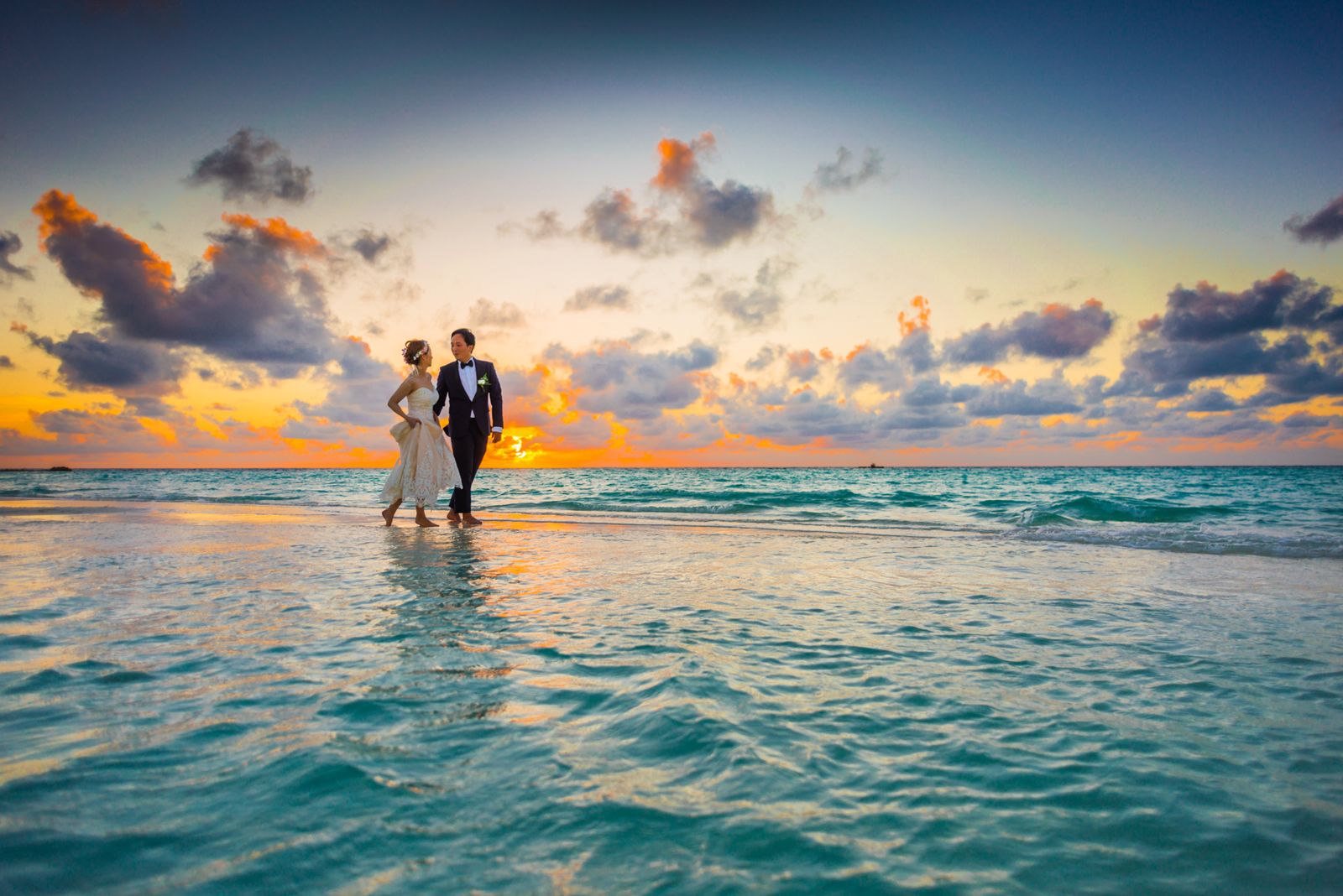
Summer belongs to the shoreline. Mystic, Stonington, and the Sound-side venues are at their best — and their most humid, crowded, and storm-prone. Afternoon thunderstorms roll off the Sound on summer schedules; a shoreline photographer builds a rain plan and watches the radar the way inland photographers watch the clock. Sunset over the water is the payoff, and on the Connecticut shore the sun sets over the Sound to the south and west, which rewards venues facing that way.
Winter is the value season, with a light problem. By mid-December, sunset in Connecticut comes before 4:30 p.m. A 3 p.m. ceremony means portraits after dark unless the couple does a first look in the early afternoon. Snow is a genuine possibility from December through March — beautiful in photographs, consequential for travel between a church, a portrait location, and a reception venue on untreated local roads. Photographers who work Connecticut winters carry the lighting for dark, wood-paneled historic interiors, because that is where winter receptions live.
Spring is the underrated window. May brings flowering trees, green rather than autumnal landscapes, and — before Memorial Day — better availability at shoreline venues that will be booked solid by July. Mud and unsettled weather are the trade.
Venues make demands; hire for yours
- Estates and clubs in Fairfield County often work from preferred-vendor lists and enforce load-in, load-out, and end-of-night rules strictly. A photographer who knows the estate circuit works inside those rules without drama; a first-timer spends your portrait time negotiating with a venue manager.
- Historic mansions and museums may restrict flash, tripods, or where a photographer may stand during the ceremony, and some charge photography fees. Ask before you fall in love with a portfolio shot at a venue whose current rules would not allow it.
- Barns and farms in the interior offer space and value, and test a photographer's lighting: dark timber interiors, mixed light, and receptions that run on generator-friendly power. Judge candidates on barn galleries, not beach ones.
- Shoreline and marina venues add wind, glare off the water, and tides if you want beach portraits. Experience shows in whether the couple looks windswept-romantic or simply windswept.
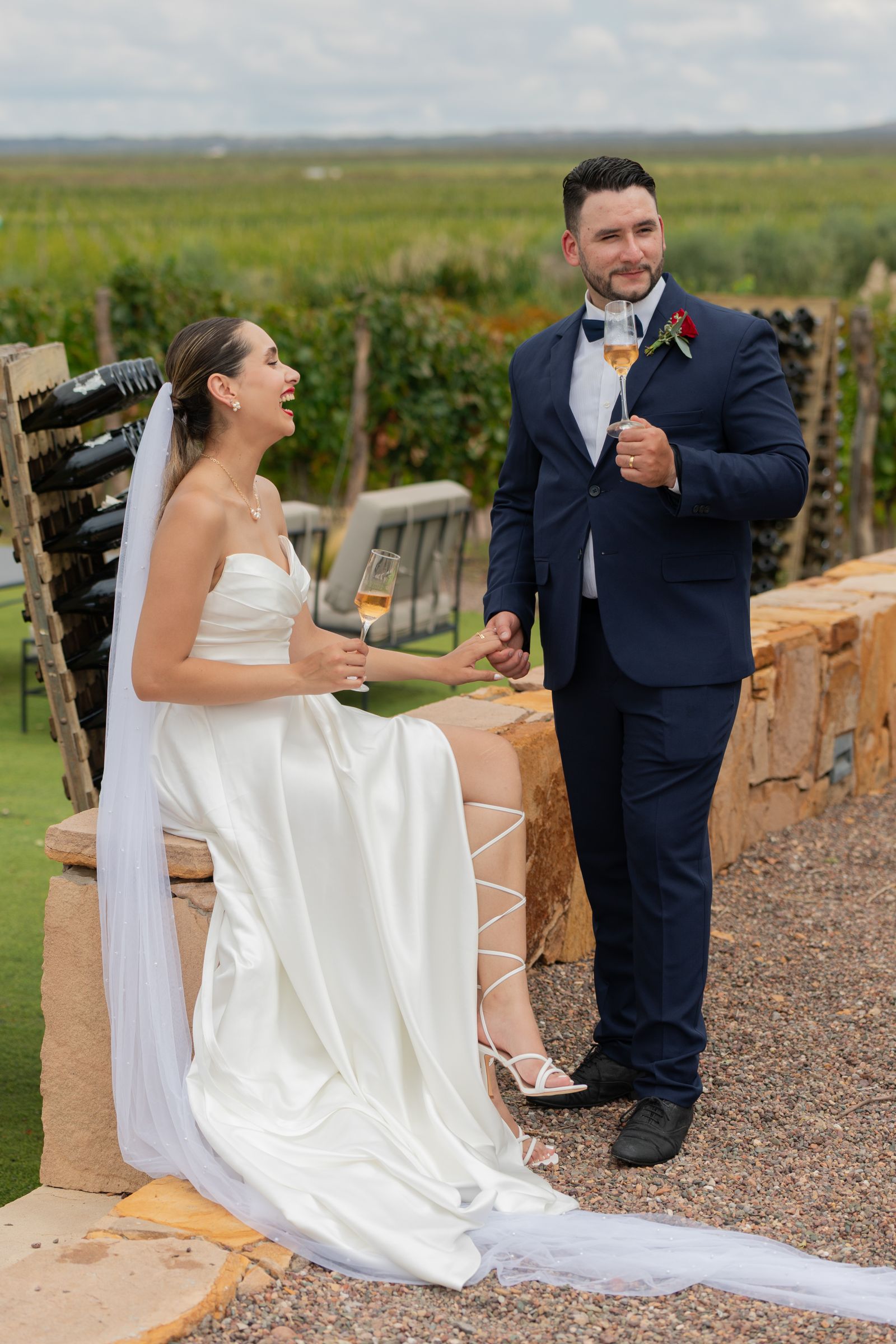
- Vineyards — Connecticut has a wine trail of farm wineries, concentrated in the southeast and the Litchfield Hills — peak at harvest, when vines are full and every vendor is busiest. Golden-hour portraits between the rows are the postcard; the test is the dim barrel room or barn after dark.
Contracts, Connecticut edition
Get it in writing — all of it. Connecticut couples are protected by the state's consumer-protection framework, but the practical protection is a signed contract that names the photographer who will actually shoot, the hours, the deliverables, the gallery delivery window, the retainer and what happens on cancellation or postponement, and who handles permits and venue photography fees. Vague contracts are where wedding disputes are born, in Connecticut as everywhere.
Retainers and balances. Expect a substantial retainer to reserve the date — half is common in this market — with the balance due shortly before the wedding. The retainer's non-refundable status should be spelled out, along with what happens to it if you move the date rather than cancel.
Ask about tax treatment before you sign, not after. Whether and how sales tax applies can differ depending on what a package actually delivers — digital files alone versus physical goods such as albums and prints. Photographers structure this differently. A clear invoice that separates services from products, and states the tax plainly, is the sign of a studio that has been asked the question before. If the tax line surprises you at final payment, the time to have clarified it was at booking.
Delivery. Get the gallery window in the contract. Six to twelve weeks in peak fall season is an honest range for a full edited gallery; a one-week promise in October describes a preview set. Confirm you receive high-resolution files, what print rights the license gives you, and how long the gallery stays live — some Connecticut studios keep galleries active for as little as a month on smaller collections, which is a deadline your family needs to know about.
The New York question. Fairfield County couples often hire New York photographers, and Connecticut photographers shoot in the city. Either direction is legitimate. What matters is that travel, and any second-day lodging for a late finish, is itemized in the quote, and that the photographer has actually worked your venue's rules — a city portfolio does not teach anyone DEEP's permit system.
How to look
This site lists 564 wedding photographers — use that breadth as a map, not a verdict. Filter to Connecticut, match the specialty to your venue type, and then do the unglamorous verification: two full galleries, one at a venue like yours; a contract that mentions permits, delivery, and tax; and a conversation about your date's light, whether that is a 4:20 p.m. December sunset or an October Saturday at peak foliage. Connecticut rewards couples who hire for the wedding they are actually having — its county, its season, its rules. Choose that photographer, and the smallest state on your guest list's itinerary will look very large in the album.
Sources
- Robert Norman Photography, Connecticut wedding collections — collections from $3,000 to $7,850, the $5,000 eight-hour collection, a second photographer at $750, extra hours at $450, and a Connecticut engagement session at $800.
- Ladman Studios, Fairfield County wedding photography — full-day coverage starting at $5,500, with most couples spending $5,500–$6,500.
- WeddingBot, average wedding cost guides for Stamford and Bridgeport, Connecticut — Stamford photography typically around $6,500 within a $4,500–$10,000 range; Bridgeport median around $5,200; travel fees for vendors from the New York area.
- The Wedding Report, Fairfield, Connecticut cost estimates — photography-only estimates for Fairfield couples and combined photography-and-video ranges.
- Connecticut State Parks / DEEP, Special Use Licenses — weddings and private events are not authorized through the Special Use process and are handled through the state parks office; published application fees of $50 for qualifying nonprofits and $625 for commercial use.
- Connecticut DEEP, Gillette Castle State Park weddings page — terrace ceremonies June through September on Saturdays at 10:00 a.m. or 5:30 p.m., a $285 non-refundable fee, a 50-guest limit, and photography permitted on the terrace and grounds.
- Essex Steam Train & Riverboat photography policy — scheduled wedding and engagement sessions booked at least two weeks ahead at $200 per hour with a two-hour minimum; drones prohibited on DEEP-controlled land unless specifically authorized.
Photographs: couple by the water at sunset — Pexels photo 1024993, https://www.pexels.com/photo/1024993/ ; couple under a veil — Pexels photo 2253870, https://www.pexels.com/photo/2253870/ ; vineyard couple — photo by Lilen Diaz, https://www.pexels.com/photo/joyful-wedding-couple-toasting-in-mendoza-vineyard-31531920/
More guides
- How to Find a Wedding Photographer: The Complete, Honest GuidePhotographers › Wedding Photographers
- How Much Does a Wedding Photographer Cost? Packages DecodedPhotographers › Wedding Photographers
- 10 Questions to Ask a Wedding Photographer Before You BookPhotographers › Wedding Photographers
- Wedding Photography Styles Explained: Documentary, Editorial, Traditional, Fine ArtPhotographers › Wedding Photographers
- Hiring a Wedding Photographer in California: Venue Light, Permits, and Price LevelsPhotographers › Wedding Photographers
- All Guides & ArticlesBrowse the full guides library