Photographers › Wedding Photographers
Wedding Photography in Georgia: Permits, Prices and Local Know-How
Georgia contains at least three wedding photography markets that happen to share a state line. Atlanta is a big, competitive metro with prices to match. Savannah is a destination market, where couples fly in for live oaks and historic squares and pay for local knowledge as much as for pictures. And the rest of the state — Athens, Augusta, Columbus, Macon, the North Georgia mountains, the Golden Isles — runs on smaller, relationship-driven markets where good photographers cost less and book by reputation. National advice flattens all of that. This guide does not. It covers what wedding photography actually costs in Georgia's two headline markets, the permit rules that are genuinely Georgia's own — Savannah's squares are unlike anywhere else in the country — the tax change that took effect in 2024 and still surprises couples, and the weather, which in Georgia is not small talk but a planning input.
One thing Georgia does not have: a state license for photographers. There is no Georgia photography license to check. What you check instead is the business itself — contract, insurance, portfolio, and the local permits below, which are where Georgia's rules actually live.
What it costs: Atlanta first
Atlanta is the state's price anchor. Published Atlanta pricing converges on a consistent picture: the broad average range for hiring an Atlanta wedding photographer runs about $2,500 to $6,000, with most established mid-range packages — eight to ten hours, a second photographer, an edited gallery — between $2,500 and $4,500. A survey of Atlanta photographers who publish prices put the median starting price at $2,500, with the middle half of starters between $1,500 and $3,200 and a median top package of $5,000. At the top of the market, established Atlanta names publish plans from $7,500, with signature services approaching $11,000, and luxury packages citywide run $8,000 to $15,000 and beyond. Extra hours of coverage typically add $200 to $400 each.
Read those numbers against what Atlanta couples actually report spending, which is lower — reported-spend estimates for Atlanta weddings commonly put the photographer between roughly $1,900 and $3,300 depending on the wedding's overall budget. The gap is not a contradiction. Starting prices and reported averages measure different things: many couples buy shorter coverage, weekday dates, or newer photographers, and pull the average down. If you want an experienced photographer for a full Saturday, budget from the vendor-price figures, not the reported averages.
| Market | Typical full-day range | Notes |
|---|---|---|
| Atlanta metro | $2,500–$6,000 | Median published starting price $2,500; mid-range packages $2,500–$4,500; luxury $8,000–$15,000+ |
| Savannah | $1,800–$4,000 | Published full-day coverage from about $2,550; photo-only packages from $1,795; collections with albums and second photographers $3,600–$6,900 |
| Savannah elopements and small weddings | $800–$2,500 | Elopement coverage commonly starts near $800–$950 for 1–2 hours; half-day from about $1,650 |
| Rest of Georgia | Generally below Atlanta | Smaller markets price under the metro; the honest check is published local packages, not a statewide average |
Savannah: a destination market with its own arithmetic
Savannah rewards specialists. Published Savannah pricing includes photo-only packages starting at $1,795 for eight hours, full-day coverage from $2,550, six-hour packages at $2,500 and eight-hour packages at $3,200 at one husband-and-wife studio, ten-hour coverage at $4,000, and fuller collections — engagement session, album, second photographer, rehearsal coverage — from $3,600 up to $6,900. Elopements are a real sub-market: coverage starting near $800 to $950 for an hour or two in the squares is widely published, because Savannah's small-wedding product is the square ceremony itself.
Retainers in Savannah follow the national pattern with local consistency: 25 to 30 percent to book is common in published terms, with the balance due before the wedding. Travel is often included within about 60 miles of Savannah, which conveniently covers much of the Lowcountry work these photographers also do across the South Carolina line.
What you are paying for in Savannah, beyond hours, is fluency: which squares photograph best at which hour, how the oak canopy changes the light, when the squares fill with visitors, and how the permit system below actually works in practice. A cheaper photographer flying in cold will spend your wedding day learning those things. Sometimes the trade is worth it. Know that it is a trade.
The permit layer: Savannah's squares, state parks, and beaches
This is the section that makes a Georgia guide a Georgia guide. Nowhere else in the state — arguably nowhere else in the country — has a wedding-photo permit system quite like Savannah's.
The squares and Forsyth Park. Savannah's historic squares are public parks, and the city's rule is elegantly specific: a small wedding of fewer than fifty people with no setup — no chairs, no aisle runner, no tents, no décor — may go ahead without a permit, first come, first served. The moment you add setup, you are in the city's permit process: a $30 non-refundable application fee and a $150 permit fee under the city's 2026 fee schedule, with a four-hour park or square rental at $350 for city residents, $575 for non-residents in off-peak months and $725 in peak months, plus $60 for each additional hour. A permitted event must also hire an off-duty Savannah police officer. Most historic squares are listed at about 50 guests capacity; Forsyth Park's north end is listed at 250. Applications can be made as early as a year ahead and are due no later than 90 days before the event on the city's special-events timetable. Peak months — March, April, May, September, October, November — are when both prices and competition for squares peak. One date range to avoid entirely: the city does not issue permits from March 10 to March 24, 2027, around St. Patrick's Day, when Savannah hosts one of the largest celebrations in the country.
Photography sessions themselves sit slightly apart from the wedding rules. A handheld portrait session on the paths of the squares or Forsyth Park generally needs no permit; a session that takes over a space or sets up equipment falls under the city's film and photography rules, and the city's film office decides borderline cases. The practical translation: your photographer's tripod-and-light-stand portrait plan in a square may need approval even when your ceremony did not. Ask the photographer, in the contract, whose job the asking is.
Wormsloe and Georgia State Parks. The oak avenue at Wormsloe State Historic Site is the single most requested backdrop in Savannah, and it is a state historic site with its own rules: everyone pays admission, and commercial photography in Georgia State Parks runs through an application to the parks department at least 10 business days ahead, with a $200 processing fee plus a location fee. Wormsloe's own wedding packages have listed a $25 permit for each photographer or videographer. Note, too, that the site's wedding availability changes — the state parks wedding page has recently listed Wormsloe as not currently doing weddings — so confirm the current position with the site before building a plan around it. The general state-parks rule, though, is stable and statewide: commercial photography is an application, a processing fee, and a lead time, not a walk-up activity. That applies at mountain and gorge parks in the north of the state just as it does on the coast.
Tybee Island. Beach ceremonies beyond ordinary beachgoing — an arch, chairs, a setup — need a City of Tybee Island Beach Event Permit, and the beach remains public either way. Still photography for commercial use within Tybee's city limits goes through its film permit process. A Savannah photographer who works Tybee regularly will know this cold; it is a good interview question precisely because it separates locals from visitors.
Atlanta locations. Atlanta's patchwork is venue-by-venue rather than citywide: city parks run through Parks and Recreation permission, the Atlanta BeltLine's commercial photography policy carries its own application fee and daily rate, and popular private locations such as the Atlanta Botanical Garden sell timed personal-session permits. The pattern to carry away is Georgia's general one: there is no state photography license and no single Georgia permit — there is a stack of local ones, and local photographers are the index to it.
Heat, humidity, storms, and pollen: the Georgia calendar
Georgia weather is a photography variable, not a backdrop.
Summer heat and humidity are the defining constraint. An outdoor ceremony in July or August in Atlanta or Savannah asks guests, wedding party, and photographer to work in serious heat, and it shows in photographs — wilted buttonholes, shiny skin, squinting. Experienced Georgia photographers build summer timelines around shade, push portraits toward evening, and keep the midday group shots short and shaded. Savannah adds coastal humidity that can fog a lens brought from an air-conditioned room into outdoor air — a small, real, professional detail: local photographers acclimate their gear; visitors learn about condensation at your ceremony.
Afternoon thunderstorms are a summer rhythm across the state: fast, heavy, and usually passing. They are why a Georgia summer contract should name the rain plan and why a photographer with a genuine wet-weather portfolio — not just a fair-weather one — matters from June through September. On the coast, add the Atlantic hurricane season, June through November, as a force-majeure conversation for Savannah and Golden Isles weddings, especially in August and September.
Spring pollen is Georgia's most underestimated photo factor. Atlanta's pollen counts are nationally notorious — a March 2025 count set a record above 14,800, in a season when counts over 1,500 are rated extreme. For photographs, the issues are human, not technical: streaming eyes and sneezing in portraits, and a yellow-green dust that settles on cars, chairs, and dark suits. A late-March outdoor wedding in Atlanta needs tissues, antihistamines, and a photographer who schedules the important portraits efficiently. Nobody warns couples about this. Consider yourself warned.
The good seasons are the ones the Savannah fee schedule already told you about: March through May and September through November are peak because the light and temperature cooperate — with spring carrying the pollen caveat and autumn the coastal storm caveat. Winter is the quiet bargain: Atlanta's January average high is in the mid-50s, outdoor photography is entirely feasible, and vendors have availability they do not have in October.
The tax point: Georgia changed its rules in 2024
Georgia generally does not tax services, and a photographer's time is a service. But photographs themselves are taxable goods in Georgia, and since January 1, 2024, that has expressly included digital ones: Georgia taxes specified digital products — including photographs — when the buyer receives a right of permanent use. The state's own regulation has long taxed sales of photographs, portraits, and prints, including charges for coloring and tinting, and the 2024 change closed the argument that delivering the same photographs as permanent-use digital files made them tax-free. Combined state and local rates run from about 6 to 9 percent depending on where delivery takes place — the state rate is 4 percent, with county and city taxes on top; Chatham County's combined rate, for example, is 7 percent.
The practical meaning for a couple is modest but real: a Georgia invoice that charges sales tax on your package's photograph component — prints, albums, and, since 2024, permanent-use digital files — is following current Georgia law, not padding the bill. On a $4,000 package, the tax line is a few hundred dollars. It is worth one contract conversation — what portion of the package the tax is applied to — and no more anxiety than that.
Booking well in Georgia
Book Atlanta and Savannah Saturdays in peak months a year or more ahead; both markets' best photographers fill October first. Judge candidates on full galleries from your kind of Georgia venue — a square, a ballroom, a barn, a beach — in your kind of Georgia weather. Put permits in the contract with a name attached, especially in Savannah, where the difference between a handheld session and a permitted setup is the difference between a smooth afternoon and a moved one. Confirm the tax treatment on the invoice. And use the directory as a map: this site lists more than 560 wedding photographers. Filter for Georgia, then verify the local things only a local would know — the squares, the storms, the pollen, and the permits. The photographer who answers those questions fluently is the one whose photographs will still look like your wedding, and not like their first visit to Georgia, in thirty years.
Sources
- The Wedding Dossier, How Much Does a Wedding Cost in Atlanta? (2026 data) — median published starting price for Atlanta photographers of $2,500, middle half $1,500–$3,200, median top package $5,000, and top published plans from $7,500.
- David's Guide, How Much Do Atlanta Wedding Photographers Cost in 2025? — Atlanta average range of $2,500–$6,000, mid-range $2,500–$4,500, high-end $5,000–$10,000 or more, and additional hours at $200–$400.
- Wedding Report, Atlanta wedding cost estimates — reported Atlanta couple spend on a wedding photographer commonly between about $1,900 and $3,300 depending on overall budget.
- City of Savannah special events and fee schedules, via Omos Photography's Savannah permit guide and Savannah wedding planning guidance — weddings under fifty people with no setup need no permit in the squares; setup requires a city permit; $30 application fee and $150 permit fee; four-hour rental $350 resident, $575 non-resident off-peak, $725 peak, plus $60 per extra hour; off-duty police officer required for permitted events; applications up to a year ahead and no later than 90 days before; no permits issued March 10–24, 2027 around St. Patrick's Day.
- Georgia State Parks, commercial film and photography guidance — commercial photography applications at least 10 business days ahead, $200 processing fee plus a location fee; Wormsloe State Historic Site admission for all visitors and a $25 per-photographer permit in its wedding packages.
- City of Tybee Island guidance, via Omos Photography — beach ceremonies beyond ordinary beachgoing need a Beach Event Permit, and commercial still photography goes through the city's film permit process.
- Georgia sales tax guidance: Intuit QuickBooks Georgia sales tax guide and Arnall Golden Gregory on Georgia's digital goods taxation — services are generally not taxable in Georgia, photographs are taxable whether sold as prints or as permanent-use digital files, and specified digital products including photographs have been taxable since January 1, 2024 when sold with a right of permanent use; combined rates of about 6–9 percent, with Chatham County at 7 percent.
- Georgia Compiled Rules and Regulations 560-12-2-.72 — sales tax applies to sales of photographs, portraits and prints, including charges for coloring and tinting.
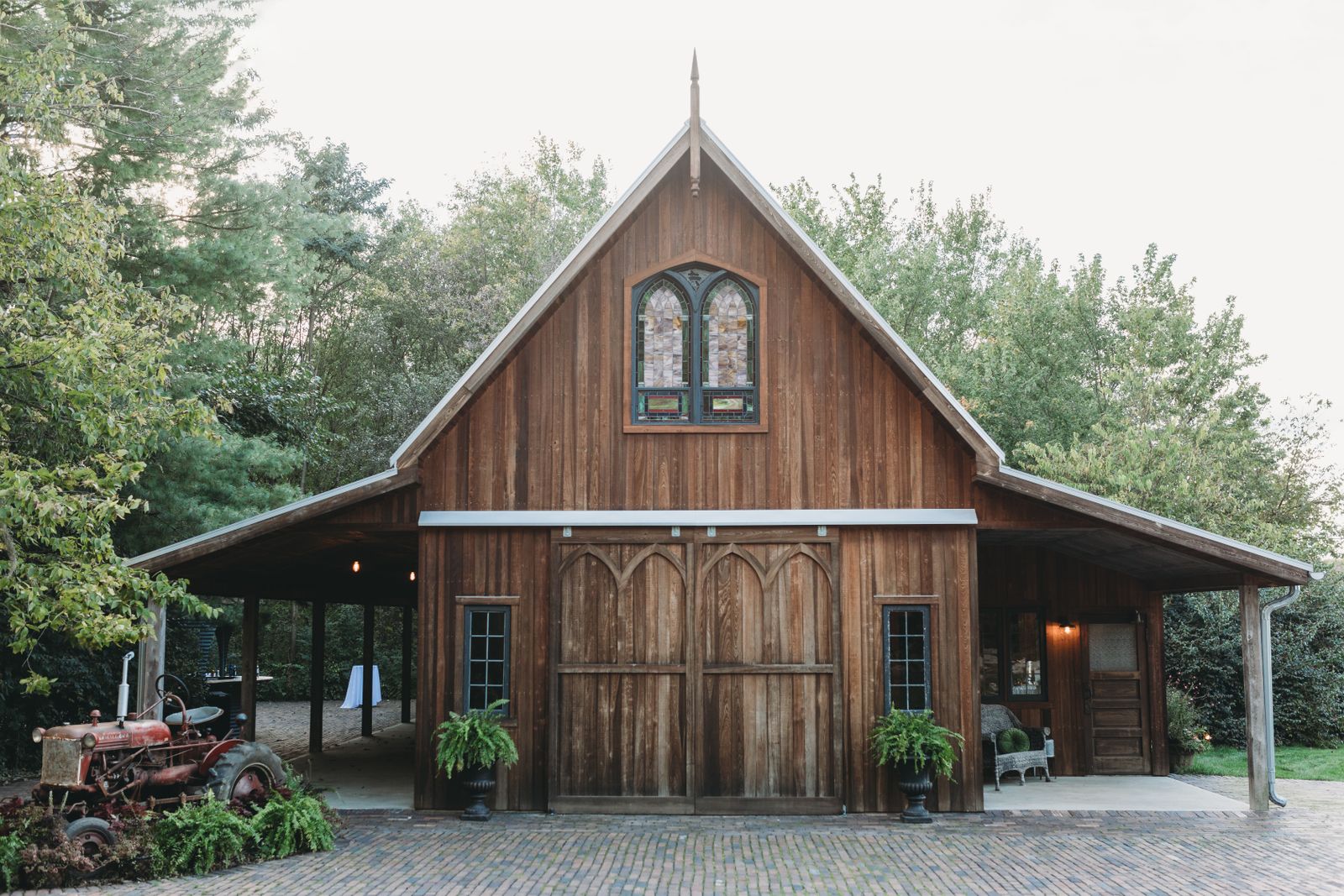
Photographs: barn venue, photo by Steven Van Elk, https://www.pexels.com/photo/10172875/ ; wedding couple portrait, photo by Sandro Crepulja, https://www.pexels.com/photo/3361200/ ; reception tables with lights, photo by Jonathan Borba, https://www.pexels.com/photo/9714791/
More guides
- How to Find a Wedding Photographer: The Complete, Honest GuidePhotographers › Wedding Photographers
- How Much Does a Wedding Photographer Cost? Packages DecodedPhotographers › Wedding Photographers
- 10 Questions to Ask a Wedding Photographer Before You BookPhotographers › Wedding Photographers
- Wedding Photography Styles Explained: Documentary, Editorial, Traditional, Fine ArtPhotographers › Wedding Photographers
- Hiring a Wedding Photographer in California: Venue Light, Permits, and Price LevelsPhotographers › Wedding Photographers
- All Guides & ArticlesBrowse the full guides library