Photographers › Wedding Photographers
Wedding Photography in North Dakota: Permits, Prices and Local Know-How
North Dakota is a small wedding market spread over a very large map. Fargo, the biggest city, has roughly 119,000 people; the next markets — Bismarck, Grand Forks, Minot — are far smaller, and between them lie hours of highway, a short and fiercely contested summer season, and winter weather that does not negotiate. I book photographers for events for a living, and the national advice ("expect to pay X, book a year out, golden hour is at seven") bends in specific, knowable ways up here. This guide is the North Dakota version: what photographers actually charge in the state, the permit that applies in the Badlands, the sales-tax quirk in the state's treatment of photographs, and a calendar in which sunset swings by nearly five hours across the year.
What North Dakota costs
The state's wedding economy runs well below the coasts. A typical North Dakota wedding overall costs somewhere between $18,000 and $32,000, with most couples landing around $24,000 — and photography takes its usual tenth or so of that. For photography itself, the honest local picture, assembled from Fargo vendors and state cost data, looks like this:
| Level | Typical North Dakota price | What it usually buys |
|---|---|---|
| Beginner / part-time | $1,000–$1,500 | Shorter coverage, limited editing, a thinner portfolio — price is the product |
| Working professional (most Fargo bookings) | $2,000–$3,000 | 6–8 hours, planning help, full edited gallery |
| Established / high-end | $3,500 and up | Full-day coverage, engagement session, album, second photographer |
| Full-day statewide range | $2,200–$4,500 | 8 hours with edited digital files; add $500–$1,200 for a second photographer and $400–$800 for a printed album |
Fargo is the expensive end of every one of those rows; Bismarck and Grand Forks run more affordable, and rural photographers can undercut Fargo while driving twice as far to reach you — which is its own cost, below. Couples' actual reported spending in Fargo clusters around $2,800 for the photographer, squarely in the professional band. Elopements and intimate weddings are their own market: Fargo elopement collections run from about $700 to $1,300, and full wedding-day collections from one such studio begin at $2,000 and range to about $2,700.
Read "starting at" prices the way you would anywhere: they buy fewer hours and no album. Compare full packages — hours, second photographer, engagement session, delivery format, album — because in a small market the difference between two $2,500 quotes is usually hiding in exactly those lines.
The calendar is the whole negotiation
North Dakota's wedding season is compressed by climate into a few contested months, and the compression drives both price and availability.
NOAA's climate normals for Fargo put the comfortable outdoor months at June, July and August, with average highs around 78–82°F. September is the local sweet spot vendors name first: summer heat gone, air crisp, first fall colour along the Red River, sunsets at a civilised hour. June is glorious and treacherous in the same week — it is also Fargo's wettest month, averaging about 7 days with measurable rain, so every June outdoor date needs a rain plan written into the contract, not hoped for. October brings real fall colour and cooler air; May is a gamble that sometimes pays.
Winter is a different product entirely, and some couples choose it on purpose: Fargo's January average low is around 3°F, December's shortest day offers about eight and a half hours of daylight, and a candlelit indoor reception with snow outside photographs beautifully. Winter dates also come with the state's best vendor availability and the most negotiating room. What they demand is a photographer who has actually shot in deep cold — batteries fade fast, fingers and gear both slow down, and outdoor portraits become a ten-minute operation with a warm room steps away, planned in advance rather than improvised while the wedding party turns blue.
The sunset swing deserves its own paragraph, because it rewrites the timeline twice a year. In Fargo, sunset on June 15 falls at about 9:24 p.m.; on December 15, at about 4:39 p.m. A June wedding can hold the ceremony, feed everyone, hear the speeches, and still walk out into a full golden hour afterwards. A December wedding that wants any daylight portraits at all needs a first look in the early afternoon, before a late-afternoon ceremony — or it is a night wedding, and should hire a photographer whose portfolio proves they can shoot one. Ask every candidate one question: "Show me a wedding from the same month as mine." In North Dakota, that is not pedantry. It is the job description.
Distance: the line item that is not optional
In most states, "local photographer" is a preference. In North Dakota it is arithmetic. Fargo to Bismarck is roughly 195 miles; Fargo to Medora, gateway to the Badlands, is about 290. A photographer imported across the state is driving three to five hours each way, and a responsible one will quote lodging for a late reception rather than drive home across the prairie at midnight. Expect travel beyond a home radius — commonly 50 to 100 miles — to be charged per mile or as a flat fee, and expect it itemised.
The genuine trade-off mirrors the state's geography. A local photographer brings knowledge you cannot buy separately: which Fargo parks flood after rain, how the wind behaves on an open section-line road at portrait time (North Dakota wind is a hair-and-veil stylist with its own opinions, and locals compose for it), and which Bismarck ballroom has no window light at all. An imported photographer brings a style you love and a travel bill. What never works is importing a bargain: the mileage and the motel eat the saving, and you get neither the style discount nor the local knowledge.
One more distance fact: the bench is thin. This site lists 564 wedding photographers nationally, and North Dakota's share of working professionals is small enough that the good ones book their September Saturdays a year or more out. If your date is a peak-season Saturday, the photographer search is not a task for the spring before. It is a task for now.
Permits: the Badlands, the state parks, and the city parks
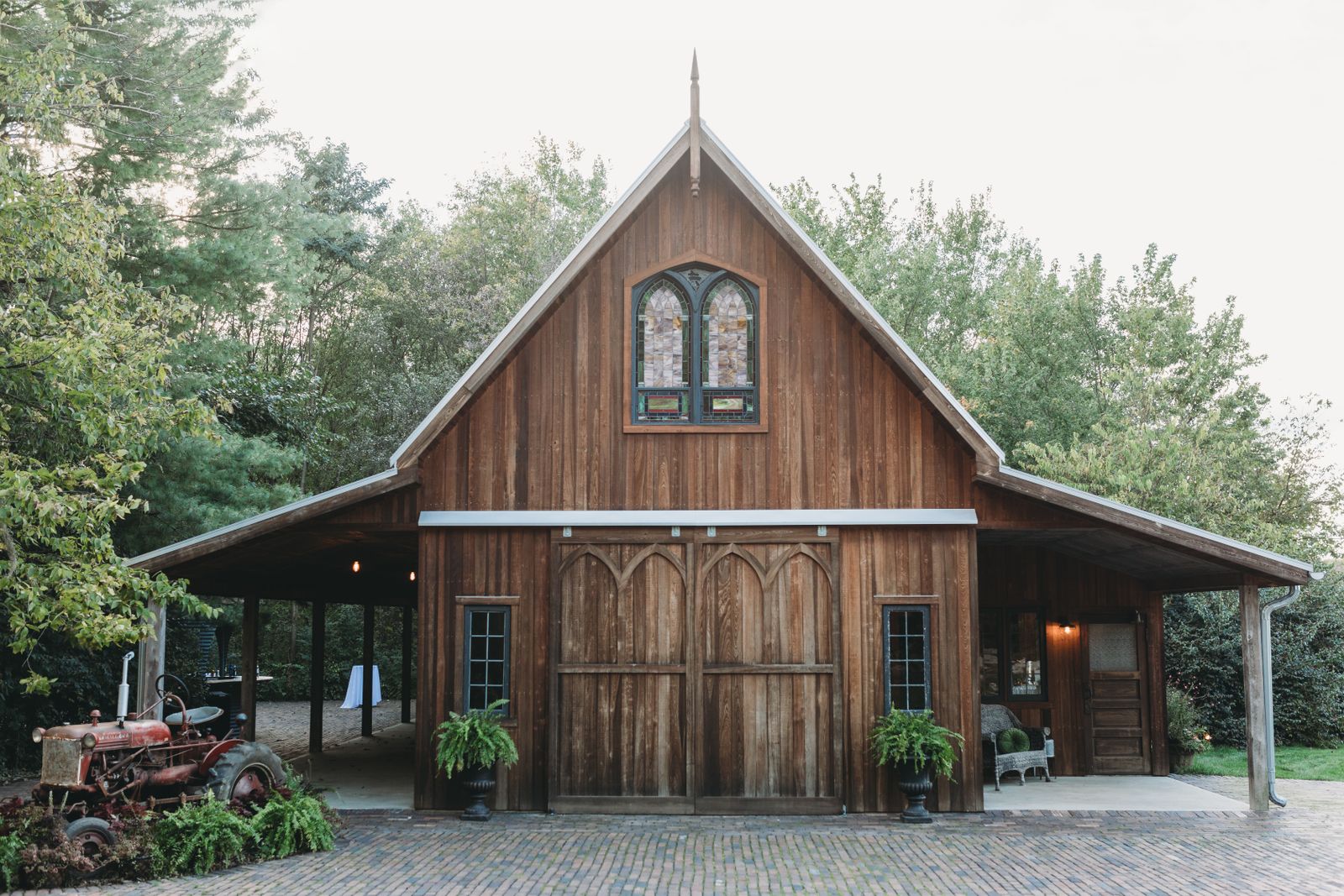
Most North Dakota weddings happen on private land, in churches, barns and ballrooms, where no photography permit arises. The exceptions are the spectacular ones, and they have rules:
Theodore Roosevelt National Park. A wedding in the park — the Badlands portraits couples drive to Medora for — requires a National Park Service special use permit. The application, with a $100 fee, goes in at least four weeks before the event; weddings are limited to 100 participants unless held in a group campsite, and amplified sound is not permitted. Your photographer does not replace this permit, and the four-week clock is the park's, not theirs. Build it into the booking conversation on day one.
North Dakota state parks. Weddings and events at parks such as Lake Sakakawea State Park are booked through the park's own office, with fees and rules varying by park — confirm directly rather than assuming. Every vehicle entering a state park also needs a valid daily or annual entrance permit, including for a wedding: budget the photographer's car, and the wedding party's, into the day. And if aerial photographs are part of the plan, know that drones are prohibited in North Dakota state parks unless the park director or deputy director authorises them — an authorisation to request in writing, well ahead, or to design around.
City parks. Municipal rules are their own layer. In Grand Forks, for example, weddings are allowed in any public park but reservations are required, taken first-come from February 1 each year, and larger events need a special use permit through the park district office. The pattern generalises: the prettier the public backdrop, the more likely a reservation, a permit, or both stand between you and it. Who files is a contract question — put a name next to "permits" in writing, because a session stopped for want of a reservation is nobody's refund.
The North Dakota tax detail
North Dakota taxes photographs in a way that surprises couples reading national advice. The state generally does not tax services — but photographers are treated as retailers of tangible goods for sales-tax purposes: sales of photographs, portraits, prints and other media containing images are taxable, while services such as retouching someone else's photographs are not. The state rate is 5%, with city and county taxes on top — Grand Forks, for example, totals 7.25% with its 2.25% city tax.
What this means at the kitchen table: the tax line on a North Dakota photography invoice is legitimate, its size depends on how the package mixes taxable product with non-taxable service, and two quotes are only comparable once you know whether each includes tax. Ask for the package priced with tax shown. On a $3,500 package, the difference between "plus tax" and "tax included" is a couple of hundred dollars — real money in a $24,000 wedding.
Contracts, North Dakota edition
The standard checklist matters here with local weightings:
- Weather and rescheduling language. With June the wettest month and winter capable of closing highways, the force-majeure and rescheduling clauses are not boilerplate. Read what happens if a blizzard or a flooded road keeps either party home.
- The backup plan. In a thin market, your photographer's named backup may be in another city. Ask who it is and where they drive from.
- Delivery window. Galleries in this market are quoted in weeks — one Fargo elopement studio delivers within six weeks; six to twelve weeks in peak season is a normal honest range statewide. Get it in the contract.
- Travel, itemised. Miles, lodging, and the radius beyond which they apply.
- Who is shooting. Confirm the person whose portfolio you reviewed is the person who will drive to your venue — in a small market this is usually true, which makes it a pleasant question rather than an accusation.
How to look
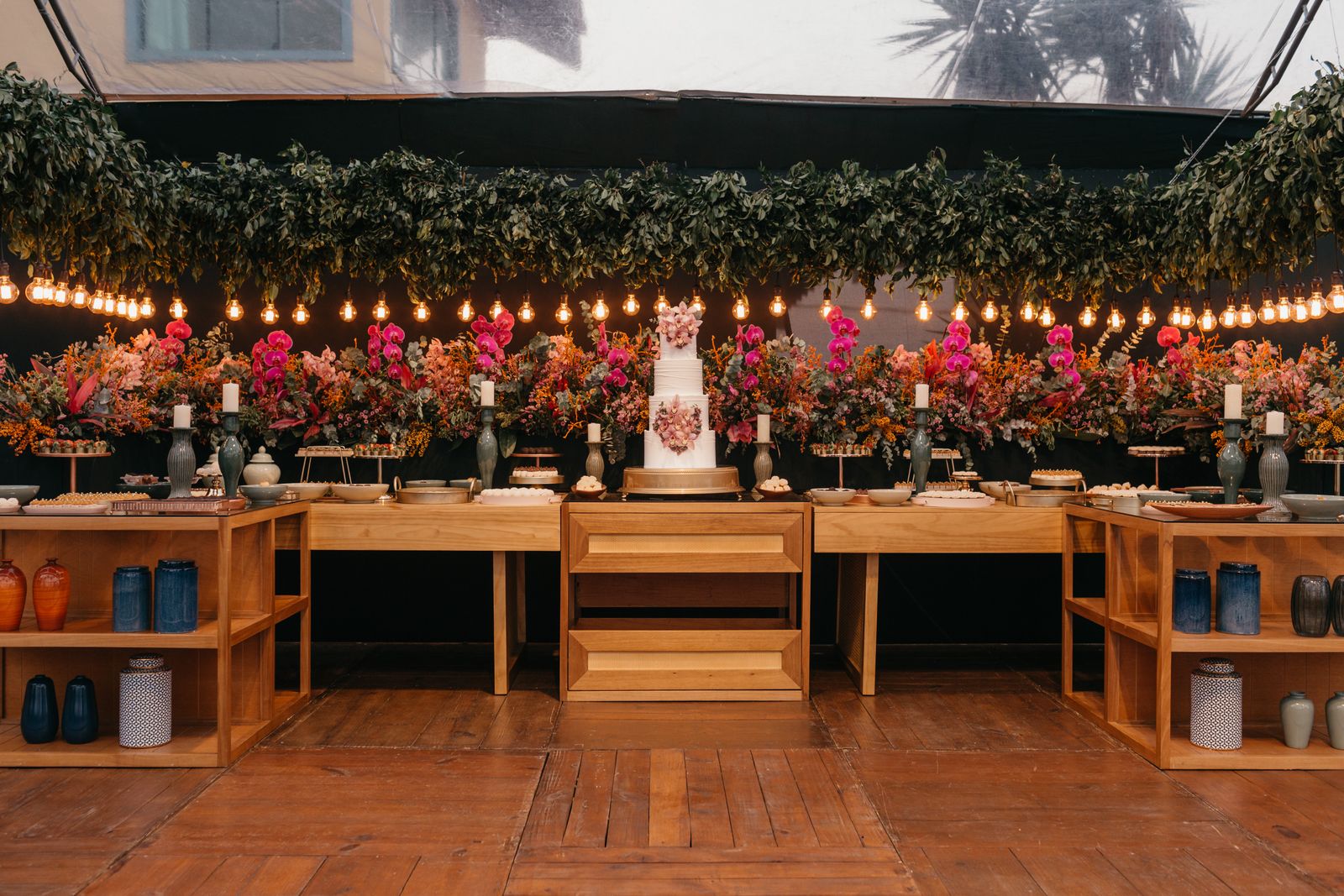
Start with full galleries from your month and your kind of venue — a barn in September, a ballroom in January — not with a highlight reel shot somewhere else in some other season. This site lists more than 560 wedding photographers; use it as a map to the North Dakota names, then do the local verification: a gallery from your season, a contract that names permits, travel and a backup, a delivery date, and tax shown on the quote. In a state where the sun sets at 9:24 in June and 4:39 in December, the right photographer is the one who has already solved your wedding's specific problems, in your specific month, within driving distance of your venue. They exist. Book them before someone else's September does.
Sources
- Complete Weddings + Events, Fargo — establishes Fargo photography tiers ($1,000–$1,500 beginner, $2,000–$3,000 for most professionals with 6–8 hours, $3,500+ high-end) and a Fargo average photographer spend of $2,800.
- The Wedding Report, Fargo cost estimates — establishes Fargo couples' spending on photography and on photography-and-video combined.
- WeddingBot, Average Wedding Cost in North Dakota — establishes typical statewide wedding costs of $18,000–$32,000 (most around $24,000) and full-day photography at $2,200–$4,500, with $500–$1,200 for a second photographer and $400–$800 for an album.
- Dacotah Ashes, Fargo elopement and wedding collections — establishes elopement collections from about $700–$1,300 and full wedding collections beginning at $2,000, with galleries delivered within six weeks.
- National Park Service, Theodore Roosevelt National Park wedding guidance (via Pix Wedding's permit summary of the official page) — establishes the special use permit, $100 application fee, minimum four weeks' lead time, 100-participant limit and no amplified sound.
- North Dakota Parks and Recreation FAQ — establishes that all vehicles entering a state park need a valid daily or annual entrance permit, including during overnight stays and day visits.
- North Dakota Administrative Code 58-02-08-16.1 (via Drone Pilot Guide USA's state-parks summary) — establishes that drones are prohibited in North Dakota state parks unless authorised by the director or deputy director.
- Grand Forks Park District, Special Events & Permits — establishes that weddings in Grand Forks public parks require reservations taken from February 1, and that large events require a special use permit.
- NOAA 1991–2020 Climate Normals for Fargo (via Pix Wedding and WeatherSpark) — establishes June–August average highs of about 78–82°F, June as the wettest month, January average lows near 3°F, Fargo sunsets of about 9:24 p.m. on June 15 and 4:39 p.m. on December 15, and about 8.5 hours of daylight on the shortest day.
- QuickBooks, North Dakota Sales Tax guidance, and VATabout, North Dakota Sales & Use Tax Guide — establish the 5% state rate, that photography and printing are taxable, that photographers are treated as retailers of photographs and prints, and that retouching others' photographs is not taxable; University of North Dakota sales-tax procedures establish Grand Forks' combined 7.25% rate.
Photographs: barn wedding venue — photo by Steven Van Elk, https://www.pexels.com/photo/10172875/ ; wedding couple portrait — photo by Sandro Crepulja, https://www.pexels.com/photo/3361200/ ; reception tables with decorative lights — photo by Jonathan Borba, https://www.pexels.com/photo/9714791/
More guides
- How to Find a Wedding Photographer: The Complete, Honest GuidePhotographers › Wedding Photographers
- How Much Does a Wedding Photographer Cost? Packages DecodedPhotographers › Wedding Photographers
- 10 Questions to Ask a Wedding Photographer Before You BookPhotographers › Wedding Photographers
- Wedding Photography Styles Explained: Documentary, Editorial, Traditional, Fine ArtPhotographers › Wedding Photographers
- Hiring a Wedding Photographer in California: Venue Light, Permits, and Price LevelsPhotographers › Wedding Photographers
- All Guides & ArticlesBrowse the full guides library