Photographers › Wedding Photographers
Wedding Photography in Oklahoma: A Resident's Guide to Costs and Rules
Oklahoma is one of the more affordable places in America to get married, and its wedding photography market proves it — up to a point. The point is weather. This is a state where the most beautiful wedding month and the most dangerous one are the same month, where a barn venue an hour from the city is a normal Saturday, and where the sales-tax treatment of your photographs turns entirely on whether they arrive as files or as prints. I assisted on commercial shoots long enough to learn that the photographer's local knowledge — of storm season, of distances, of which venue has a real shelter and which has a covered patio and optimism — is worth more here than in states with gentler skies. This guide covers what wedding photography costs in Oklahoma, the weather rules that should shape your date and your contract, and the Oklahoma-specific tax quirk that can change the price of the same package.
What it costs in Oklahoma
The national anchor first: The Knot's 2026 Real Weddings Study put the average wedding photographer spend nationwide at $3,000. Oklahoma's published prices sit mostly below it. A survey of Oklahoma vendors who publish their own prices found photographers typically listed between $1,500 and $3,000, with a full published range from $500 to $9,000; median published prices ran about $2,100 in Tulsa and $1,800 in Oklahoma City. Estimates built from actual Oklahoma City wedding spending put the photographer at roughly $2,100 to $2,600 for a 75-guest wedding. Broader cost guides for the state put a typical job between $1,100 and $6,100, with a midpoint near $3,600.
Concrete packages make the shape clearer. One Tulsa-and-Oklahoma-City team publishing full prices charges $1,800 for up to four hours with two photographers, $2,400 for six hours, and $3,200 for a full eight-hour day — delivery in four to eight weeks, online gallery and print release included, and a flat $40 travel fee beyond 50 miles. At the other end, premium Oklahoma photo-and-film teams report couples investing around $4,500 for photography-only collections and $6,200 to $9,700 when film is bundled. So the honest Oklahoma landscape:
| Level | Typical Oklahoma price | What it describes |
|---|---|---|
| Budget / short coverage | $800–$1,800 | Elopements and small ceremonies (one published elopement rate is $800 for two hours), newer photographers, partial-day coverage |
| Working mid-range | $1,800–$3,600 | The state's center of gravity: full-day packages from established Oklahoma City and Tulsa teams, often with two photographers |
| Premium | $4,500–$9,000+ | Booked-out names, photography-and-film bundles, multi-day and destination coverage such as Broken Bow |
Two structural notes. First, Oklahoma City and Tulsa price almost identically at the median — this is effectively one market with two home bases, and photographers drive between them routinely, so do not pay a "big city premium" to either. Second, distance is the state's quiet line item: venues in the Arbuckles, the Ozark foothills, or Broken Bow's cabin country sit hours from both metros, and travel fees, lodging, and a photographer's lost day are legitimate costs there. A published $40 flat fee beyond 50 miles is at the generous end; get your venue's distance priced into the quote in writing.
Weather is not a footnote here; it is the contract
Oklahoma sits squarely in Tornado Alley, and its wedding calendar is built around that fact. Storm season runs roughly April through June, with May the peak month for tornadoes and large hail — and late spring is simultaneously one of the most wanted wedding windows, because the state is green, mild between storms, and not yet hot. Both things are true, and Oklahoma couples plan for both: reputable outdoor venues build severe-weather protocols into their contracts, with indoor backup space, shelter access, and a named person watching radar on the day.
What this means for photography, specifically:
The backup plan is a photography plan. When a ceremony moves indoors at twenty minutes' notice, the light changes completely and the portrait locations vanish. Ask your photographer, before signing, to walk you through their storm-day version of your wedding: where the portraits happen inside your venue, what lighting they bring for it, and whether they have shot that venue's indoor option. A photographer whose portfolio is all golden-hour pasture has not yet shown you the photographs you may actually get.
Set a decision time and a decision-maker. Oklahoma venues and planners commonly agree a morning-of deadline for committing to the indoor or outdoor plan, and assign the weather watch to someone who is not the couple. Put the same arrangement in your photography conversation: who calls it, by when, and what the call changes.
Wind is the everyday opponent. Even on a clear day, prairie wind rearranges veils, hair, and decor, and Oklahoma photographers plan for it — pinned styles, weighted details, portrait spots chosen for shelter. Ask to see windy-day work. It is a bigger share of Oklahoma wedding albums than couples expect.
Summer heat is the other wall. July and August regularly push heat indices over 100 degrees, which is why the state's comfortable outdoor windows are late April through June and September through November — and why summer weddings here run late-evening ceremonies with portraits at sunset. Oklahoma sunsets over open plains are genuinely spectacular and genuinely late in June — after 8:40 p.m. — which shapes the whole timeline. Fall brings its own scheduling collision: Norman and Stillwater home football games swallow hotel rooms and roads across their regions on autumn Saturdays, which matters if your guests, or your photographer, are driving in.
Venues make demands; hire for the venue you have
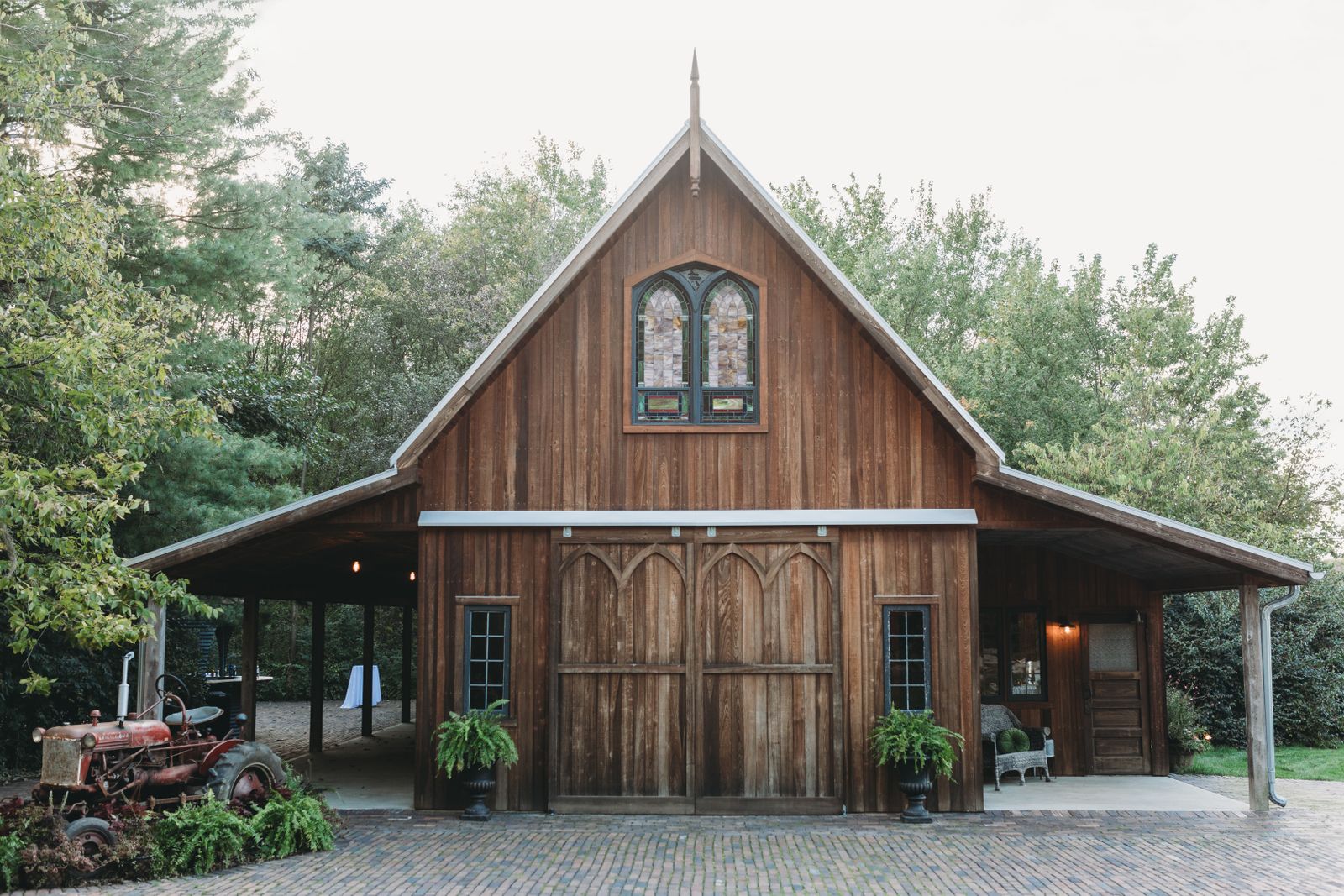
Oklahoma's venue stock splits into types that ask different things of a photographer. Barns and ranches — the state's signature setting, from working farms outside both metros to properties in the Arbuckle Mountains — mean mixed light: bright pasture outside, dim timber interior inside, and a long walk between them. Ask to see a full barn gallery, ceremony to reception, because the reception half is where under-equipped photographers lose the day. The museum and garden weddings — Philbrook Museum in Tulsa, the Myriad Botanical Gardens and Tulsa Garden Center in Oklahoma City — pair outdoor beauty with real indoor space, which is precisely why they are the state's storm-season refuges; they also tend to carry house rules on where photographers may stand and what equipment may come in, and a photographer who has worked the room knows them. Downtown hotels and historic properties — the Skirvin Hilton and Mayo Hotel end of the market — are ballroom craft: low light, high ceilings, and timelines run by a venue coordinator. Broken Bow and the cabin country in the southeast are effectively destination weddings inside the state: forest light under a canopy, venues scattered through the Ouachita foothills, and photographers usually imported from the metros or from Texarkana and Little Rock, with travel priced accordingly. The pattern across all four: Oklahoma experience is venue-specific. The right question is never "have you shot weddings like mine?" but "have you shot this venue, in this season, when the weather turned?"
Oklahoma rules that touch your photographs
Sales tax turns on the delivery format — Oklahoma is explicit about this. The state's administrative code for commercial photographers (OAC 710:65-19-260) provides that when photographs or videos are delivered in a tangible format, the gross receipts are taxable, including the connected services: sitting fees, taking and selling the photographs, processing and printing, and even enlarging, retouching, tinting, or coloring. But the same rule states that digital photographs and videos transmitted electronically are not subject to sales and use tax, and neither are the associated service charges. An Oklahoma Tax Commission letter ruling confirms the logic: if no tangible item is conveyed, no sales tax is levied on photography services. The state rate is 4.5 percent, with city and county taxes stacked on top where the sale is sourced.
The practical consequence for couples: two Oklahoma photographers quoting the same $3,000 can deliver different totals depending on how the package is built. A digital-only package — gallery, downloads, print release — sits on the nontaxable side of the rule. Add a physical album, prints, or a USB drive delivered as part of the sale, and the taxable side can pull the connected charges with it. This is not a loophole to engineer aggressively; it is a reason to ask how your package is structured, to expect the tax line when tangible goods are in it, and to be suspicious of any quote that is vague about which side of the rule it sits on. When in doubt, the photographer should be able to explain their treatment in one sentence. The rule is public; "my accountant handles it" is not an explanation.
The marriage license runs on a 30-day clock. Oklahoma marriage licenses are valid for 30 days, so the application must fall within the month before the ceremony. It does not change your photography price — but out-of-state couples marrying at Broken Bow or a destination ranch occasionally discover the window late, and a postponed ceremony is a photography rescheduling problem. Check your photographer's reschedule terms either way; in a storm-season state, that clause does double duty.
No state license exists for photographers. Oklahoma does not license wedding photographers as a trade — the licensing questions that apply to contractors do not apply here — so your protection is entirely contractual: a written agreement naming the shooter, the backup plan if they are ill or storm-stranded, the delivery window (four to eight weeks is a published Oklahoma norm), and the print release or license terms for your files.
How to look, Oklahoma edition
This site lists 564 wedding photographers, and the Oklahoma slice of that pool concentrates — as the state's market does — in Oklahoma City and Tulsa, with photographers elsewhere in the state often traveling in. Shortlist by your venue's geography, not just your home city: a Tulsa photographer is a local hire for a Broken Bow weekend only if the travel is priced and the storm plan is real. Ask every candidate three Oklahoma questions: What does my wedding look like if it storms? What is your travel charge to my venue, in writing? And is my package taxed as tangible or digital delivery — and why? The answers, more than the portfolio's prettiest pasture sunset, tell you whether you are hiring Oklahoma experience or just Oklahoma scenery.
Sources
- The Wedding Dossier, "How Much Does a Wedding Cost in Oklahoma? (2026 Data)" — establishes published Oklahoma photographer prices typically $1,500–$3,000, medians of about $2,100 in Tulsa and $1,800 in Oklahoma City.
- Chris + Macee Photography, Oklahoma wedding pricing — establishes published packages of $1,800 (4 hours), $2,400 (6 hours), and $3,200 (8 hours) with two photographers, 4–8 week delivery, and a $40 travel fee beyond 50 miles; elopements at $800.
- Wedding Report, 2024 Oklahoma City wedding cost estimate — establishes photographer spending of about $2,144–$2,620 for a 75-guest Oklahoma City wedding.
- CostReference, "Wedding Photography Costs in Oklahoma" — establishes the $1,100–$6,100 typical range with a midpoint near $3,600.
- Kyndal Capps Co., Oklahoma wedding photography — establishes premium investment levels around $4,500 for photography-only and $6,200–$9,700 for photo-and-film collections.
- Oklahoma Wedding Podcast, "How Oklahoma Weather Affects Outdoor Wedding Receptions" — establishes storm season April–June, fall as the most comfortable season, heat indices over 100 in summer, decision times, and venue severe-weather planning.
- Pix Wedding, Oklahoma wedding venue guides — establishes peak windows late April–June and September–November, tornado-season contingency clauses, and the 30-day Oklahoma marriage license validity.
- Oklahoma Administrative Code § 710:65-19-260, Commercial photographers and videographers — establishes tax on photographs delivered in tangible format including sitting fees and retouching, and nontaxable status for electronically transmitted digital photographs and videos.
- Oklahoma Tax Commission Letter Ruling 13-013 — establishes that where no tangible item is conveyed, no sales tax is levied on photography services.
- Oklahoma Statutes § 68-1354 — establishes the 4.5 percent state sales tax rate on tangible personal property.
- Barn venue photograph: photo by Steven Van Elk, https://www.pexels.com/photo/10172875/
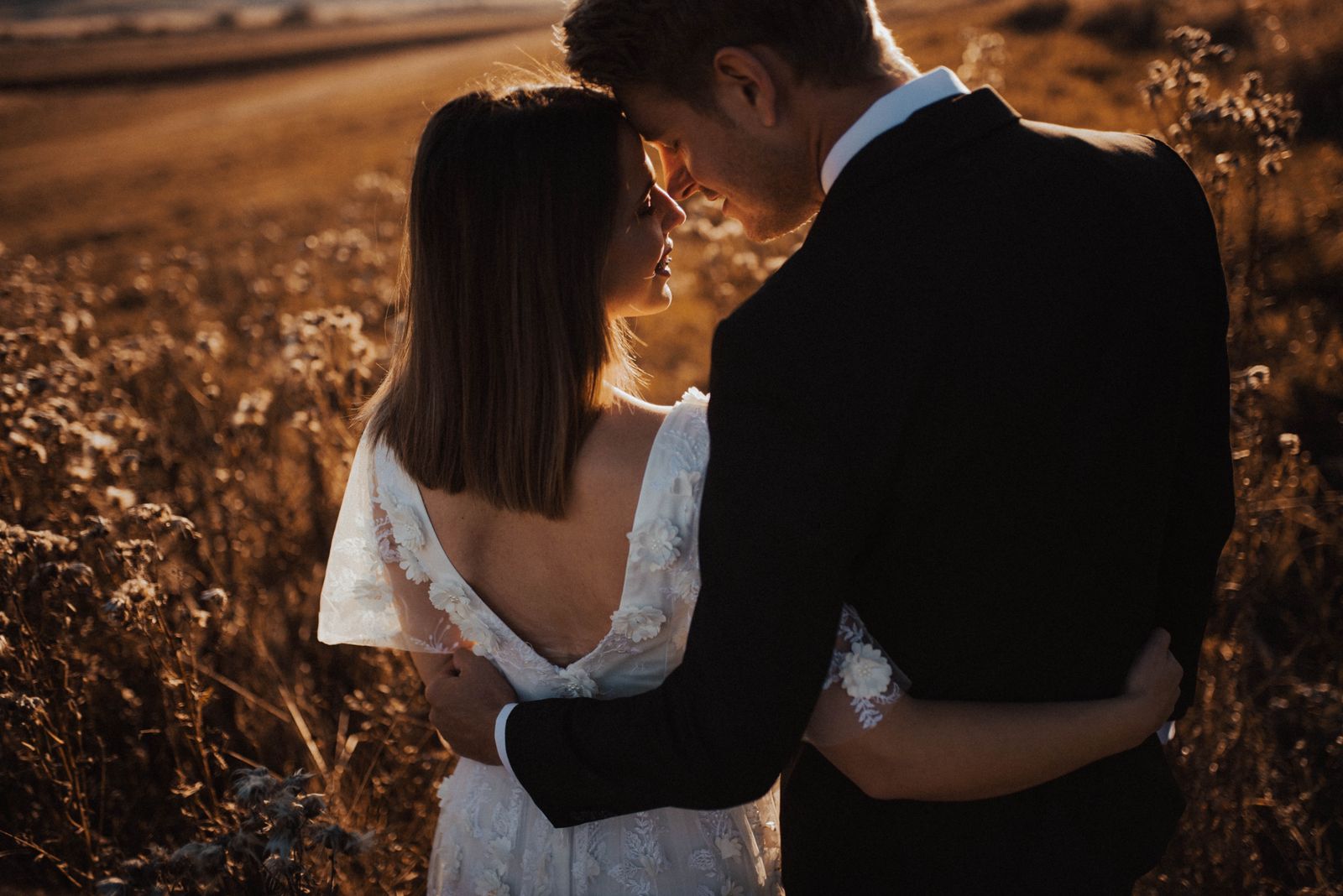
- Couple portrait photograph: photo by Sandro Crepulja, https://www.pexels.com/photo/3361200/
More guides
- How to Find a Wedding Photographer: The Complete, Honest GuidePhotographers › Wedding Photographers
- How Much Does a Wedding Photographer Cost? Packages DecodedPhotographers › Wedding Photographers
- 10 Questions to Ask a Wedding Photographer Before You BookPhotographers › Wedding Photographers
- Wedding Photography Styles Explained: Documentary, Editorial, Traditional, Fine ArtPhotographers › Wedding Photographers
- Hiring a Wedding Photographer in California: Venue Light, Permits, and Price LevelsPhotographers › Wedding Photographers
- All Guides & ArticlesBrowse the full guides library