Photographers › Cameras & Camera Supplies
What Cameras and Camera Supplies Actually Includes: The Service Broken Down in Plain Language
When I managed a portrait studio, the new hires always asked the same question on their first day, standing in front of the equipment shelves: “So the cameras are… all this?” Yes. All of it. “Cameras and camera supplies” sounds like a camera and maybe a strap. In practice it is a whole working system of eight parts, and the part with “camera” in its name is neither the most expensive nor the one that ends a shoot when it fails. This site lists 465 cameras and camera supplies businesses; this guide walks through what those businesses actually sell, part by part, what each part costs in 2026, and which parts you can safely skip.
If you are equipping yourself to photograph — your own family, your own products, or, like the clients I used to brief, your first paid work — here is the honest breakdown.
Part 1: The camera body — the recording device
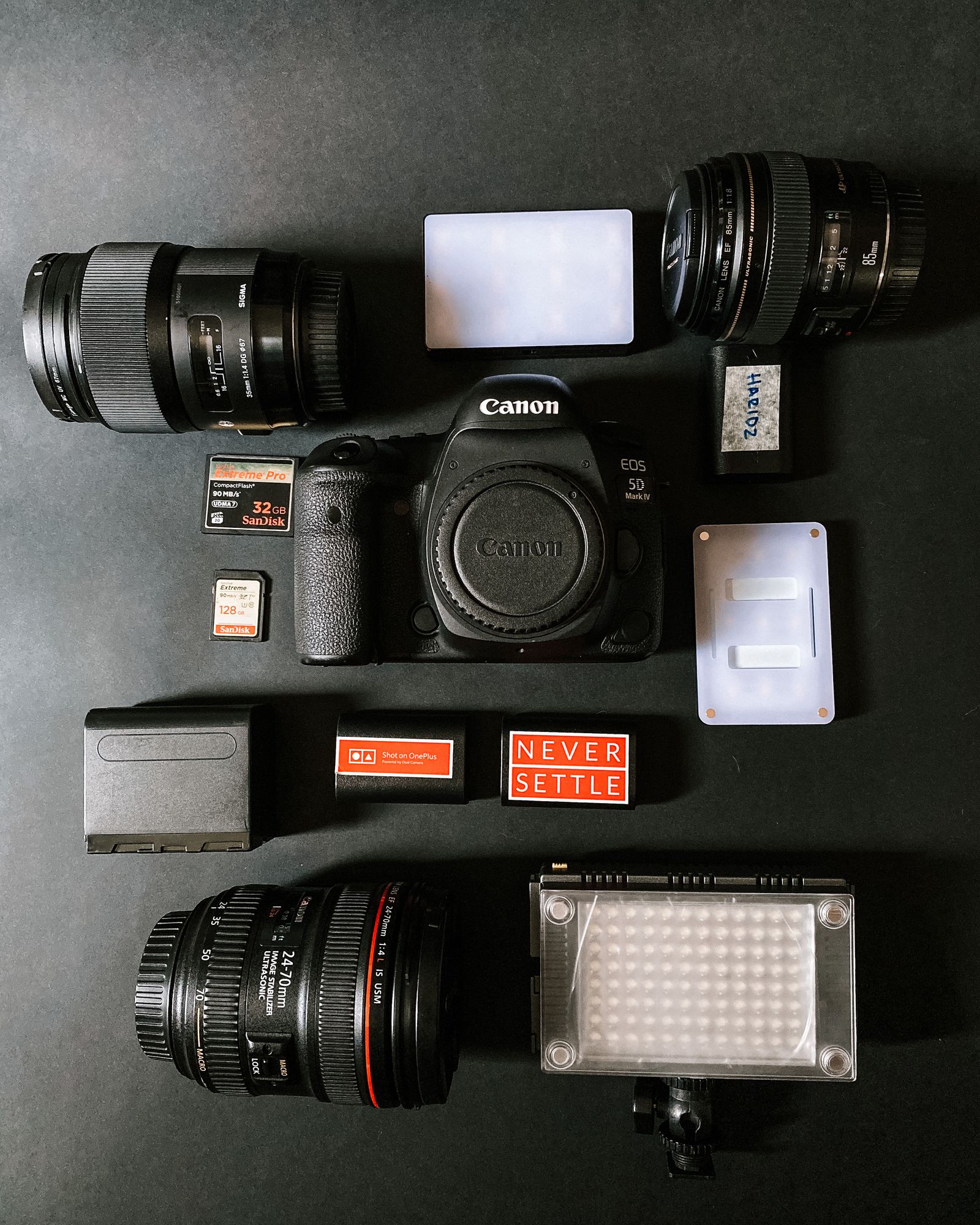
The body is the computer and sensor; it takes no photograph by itself. In 2026 the market is mirrorless: entry-level APS-C bodies start around $600 to $700 (a current budget favourite sells at $679), enthusiast bodies run $850 to $1,100, full-frame workhorses around $2,900, and professional bodies exceed $4,000. Buying pattern that matters: bodies are sold “body only” or as a “kit” with a basic zoom lens bundled — the kit is usually the cheaper way in if you own nothing, and body-only is for people who already own lenses. Optional? No. But it is the part to overspend on last — every experienced breakdown of this category says the same thing: glass outlasts bodies, and a mid-range body behind a good lens beats a flagship behind a poor one.
Part 2: Lenses — where the money actually goes
Lenses are detachable, system-specific, and priced from a few hundred dollars for an entry prime to several thousand for professional zooms. The working set most photographers converge on: one versatile zoom (a 24–70mm class lens, roughly $800 for a respected third-party version, more for the camera maker's own) and one fast prime for portraits and low light (a 50mm f/1.8 can be found around $300). Lenses are the least optional “extra” in the category and the most durable purchase in it — a good lens stays in the bag through two or three camera bodies. Optional? The second and third lens are; the first is not.
Part 3: Light — flashes, strobes and panels
“Cameras and supplies” quietly includes the entire lighting shelf. A basic speedlight (the flash that sits on the camera) runs $150 to $300; continuous LED panels for video and product work sit in a similar band; professional studio strobe kits run $1,000 to $5,000. Around the lights themselves sit the true supplies: stands, softboxes and umbrellas that shape the light, and triggers that fire it. In my studio, lighting was the difference clients could actually see between an amateur booking and a professional one — the camera in both cases was similar. Optional? For outdoor daylight work, yes, at first. For indoor, evening or product work, it is the category's worst false economy to skip.
Part 4: Power and memory — the consumables that behave like essentials
Two small line items that end more shoots than any broken camera: memory cards ($25 for a 128 GB card that holds roughly 4,000 to 6,000 JPEGs; around $55 for a faster 256 GB card that clears bursts quicker) and batteries (around $60 for a manufacturer's spare). Mirrorless cameras draw power constantly through their electronic viewfinders, so a working kit carries at least two batteries and two cards, always. Card speed classes (UHS-I versus UHS-II) matter for sports, wildlife and video; for portraits, capacity and having a second card matter more. Optional? Never. This is the cheapest insurance in the entire category — about $85 stands between a full day of shooting and a ruined one.
Part 5: Support — tripods, heads and stabilisers
Tripods run from around $60 for a budget model that handles landscapes and night shots, through $130 travel tripods, to professional carbon-fibre setups past $1,000; a respected aluminium tripod with a ball head lists around $260 to $470 depending on the sale. Gimbals — motorised stabilisers, mostly for video — start around $300. Optional? Entirely, for handheld daylight work. Non-negotiable for long exposures, video, product photography and anything shot alone on a timer.
Part 6: Carrying and protection — bags, straps and cases
A padded insert for an existing backpack runs about $40; a proper camera backpack around $90; professional rolling cases and hard cases considerably more. Add the invisible supplies: lens cloths, blower, sensor-cleaning swabs, rain covers. Optional? The fancy bag is. Some form of padded protection is not — this category exists because the other five parts are fragile and expensive.
Part 7: Storage and software — the part after the shoot
Photographs have to live somewhere and be finished somewhere. External SSD backup runs $100 to $500; editing software is a subscription, typically $10 to $50 a month. Working photographers keep at least two copies of everything, which makes a second drive a supply, not an accessory. Optional? The second drive, briefly. The first backup, no — a memory card is a transport medium, not an archive.
Part 8: The services hiding inside the category
Many “cameras and supplies” businesses are not only shops. The same counter commonly offers sensor cleaning and repair referral, printing, film developing where film survives, and — most useful of all to a first-timer — rental: professional bodies, lenses and lighting hired by the day. Renting a $2,500 lens for the one weekend a year you need it is the category's best-kept rational option, and renting before buying is how experienced photographers test a system before committing to it.
Part 9: Film, instant and the analogue shelf
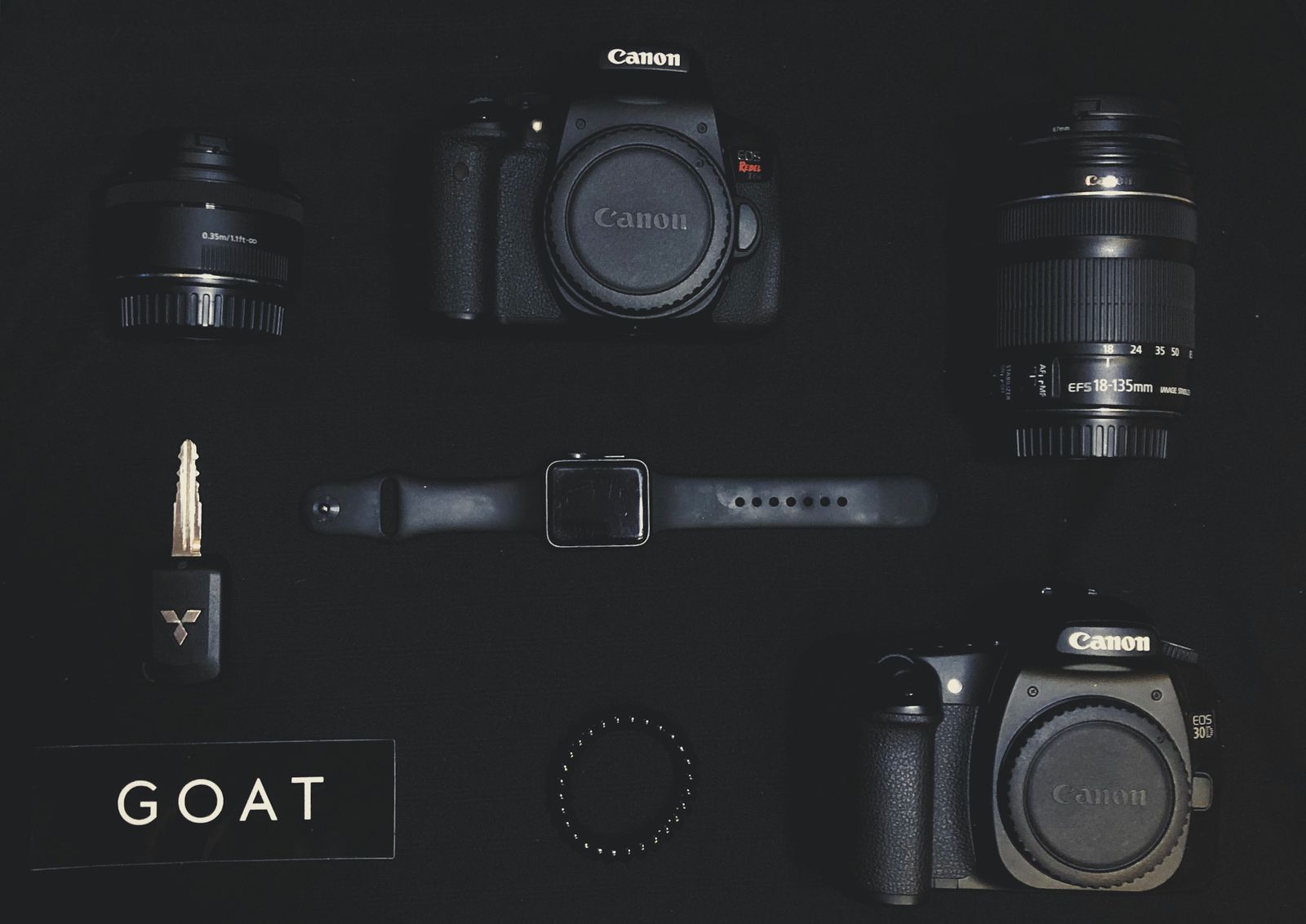
The category also still carries its older half. Film cameras never fully left the shelves, and the supplies businesses stock for them are genuinely consumable in a way digital gear is not: film itself, bought by the roll and useless once exposed and developed; instant film for the cameras that print on the spot; developing chemistry and services; and paper and chemistry for the shrinking but stubborn darkroom trade. If you shoot film, this is the part of the category you will visit monthly rather than once — the economics invert, with a cheap body and an endless tail of small purchases. It is also why so many supplies shops survive on regulars: digital gear is bought every few years, but film, paper and developing are bought every few weeks.
Part 10: The used shelf — where the category quietly saves you the most
Almost every established cameras-and-supplies business runs a used department, and it changes the arithmetic of everything above. Lenses and bodies hold value well, are graded by condition, and commonly come with a shop warranty that private sales cannot offer. The professional pattern is to buy the body new (warranty, sensor, shutter life) and at least some lenses used. For a first-timer, the used shelf is also a diagnostic tool: if a system has no used lenses available locally, every future purchase in that system will be at full price and by mail — a fact worth knowing before the first body, not after the third lens. Ask at the counter what the shop takes in trade, too: a healthy trade-in flow is the sign of a deep used shelf, and your first camera becomes part-payment on your second.
What to ask at the counter, if you are new to all this
Four questions sort a good supplies business from a warehouse with a till. “If this fails on a Saturday, what do I do?” — the answer reveals the service and rental side. “What does the second battery and card cost, and are they in this quote?” — the answer reveals whether you are being sold a camera or a working kit. “What do you have used in this system?” — the answer prices your future. And “what would you skip in my position?” — a shop that will talk you out of a purchase is a shop you can buy the expensive things from later. In the studio I managed, we sent first-time buyers to exactly one local shop, for exactly this reason: they treated the eight parts above as one system and said so.
The whole thing, priced three ways
| Kit level | What it contains | Realistic total |
|---|---|---|
| Lean starter | $600 entry mirrorless kit, one 128 GB card, one spare battery | About $625–$750 |
| Serious enthusiast | $850–$1,100 body, a $250–$500 second lens, tripod, bag, faster card, spare battery | About $1,285–$1,935 |
| Working professional core | Full-frame body (~$2,900), pro zoom and fast prime, lighting, support, storage, second body over time | $6,000 and well beyond |
What to buy first, and what to leave on the shelf
Buy in this order: body and first lens together, second battery and second card the same week, protection for carrying it, one light when your work moves indoors, support when your work slows down or moves to video, the second lens when you can name the photographs the first one cannot take. Leave on the shelf: the third lens, the flagship body upgrade, and every accessory bought “just in case” — in case has a way of never arriving, while the unglamorous $25 card and $60 battery decide real shoots every single week.
That is what the category actually includes: a recording device, the glass that gives it eyes, light, power, memory, support, protection, storage, and a counter that will clean, print and rent the rest. The camera is where it starts. It was never the whole list.
Sources
- QuickCalcs, Photography Gear Cost Calculator — establishes a lean starter kit at about $625 (a $600 entry mirrorless kit plus a $25 128 GB card), a mid-range build at $1,285 and an enthusiast build at $1,935, with second lenses at $250–$500, tripods at $60–$130, bags at $40–$90, cards at $25–$55 and a spare battery at $60.
- SolidAITech, Essential Photography Equipment 2026 — establishes a full-frame mirrorless body at $2,898, an entry APS-C body at $679, and a versatile third-party 28–75mm f/2.8 zoom at $799.
- Mastering Camera Equipment: A 2026 Guide (EarlyBullets) — establishes entry bodies at $700–$1,000, professional bodies above $4,000–$6,000, speedlights at $150–$300, studio strobe kits at $1,000–$5,000, tripods from about $100 to over $1,000, and gimbals from $300–$500.
- Imaging Resource, camera deals listings — establishes current retail pricing including a respected aluminium tripod and ball head at $259.95–$469.95 and a full-frame 50mm f/1.8 lens at $297.99.
Photo by Soulful Pizza, https://www.pexels.com/photo/4447020/ Photo by Kamshotthat, https://www.pexels.com/photo/3183210/
More guides
- How to Find a Wedding Photographer: The Complete, Honest GuidePhotographers › Wedding Photographers
- How Much Does a Wedding Photographer Cost? Packages DecodedPhotographers › Wedding Photographers
- 10 Questions to Ask a Wedding Photographer Before You BookPhotographers › Wedding Photographers
- Wedding Photography Styles Explained: Documentary, Editorial, Traditional, Fine ArtPhotographers › Wedding Photographers
- Hiring a Wedding Photographer in California: Venue Light, Permits, and Price LevelsPhotographers › Wedding Photographers
- All Guides & ArticlesBrowse the full guides library