Photographers › Photofinishing Retail
What Photofinishing Retail Actually Includes: The Service Broken Down in Plain Language
Most small businesses do not go looking for “photofinishing.” They go looking for a finished thing: prints for a shop wall, scans of old negatives for a website, a poster that does not look pixelated, or a set of product photographs turned into something a customer can hold. Photofinishing retail is the counter — physical or online — where raw images become those finished things. The name is old, from the film era, but the work underneath it is still how most photographs become usable.
I book photographers for events and for the businesses that exhibit at them. The shoot is only half the job. The other half is finishing: choosing the right print size, the right scan resolution, the right paper, and knowing which extras are worth paying for and which are a quiet upsell. This guide breaks the service into its parts, in plain language, with real prices, so you can walk up to any counter — this site lists 7,823 photofinishing retail businesses — and order exactly what you need, no more.
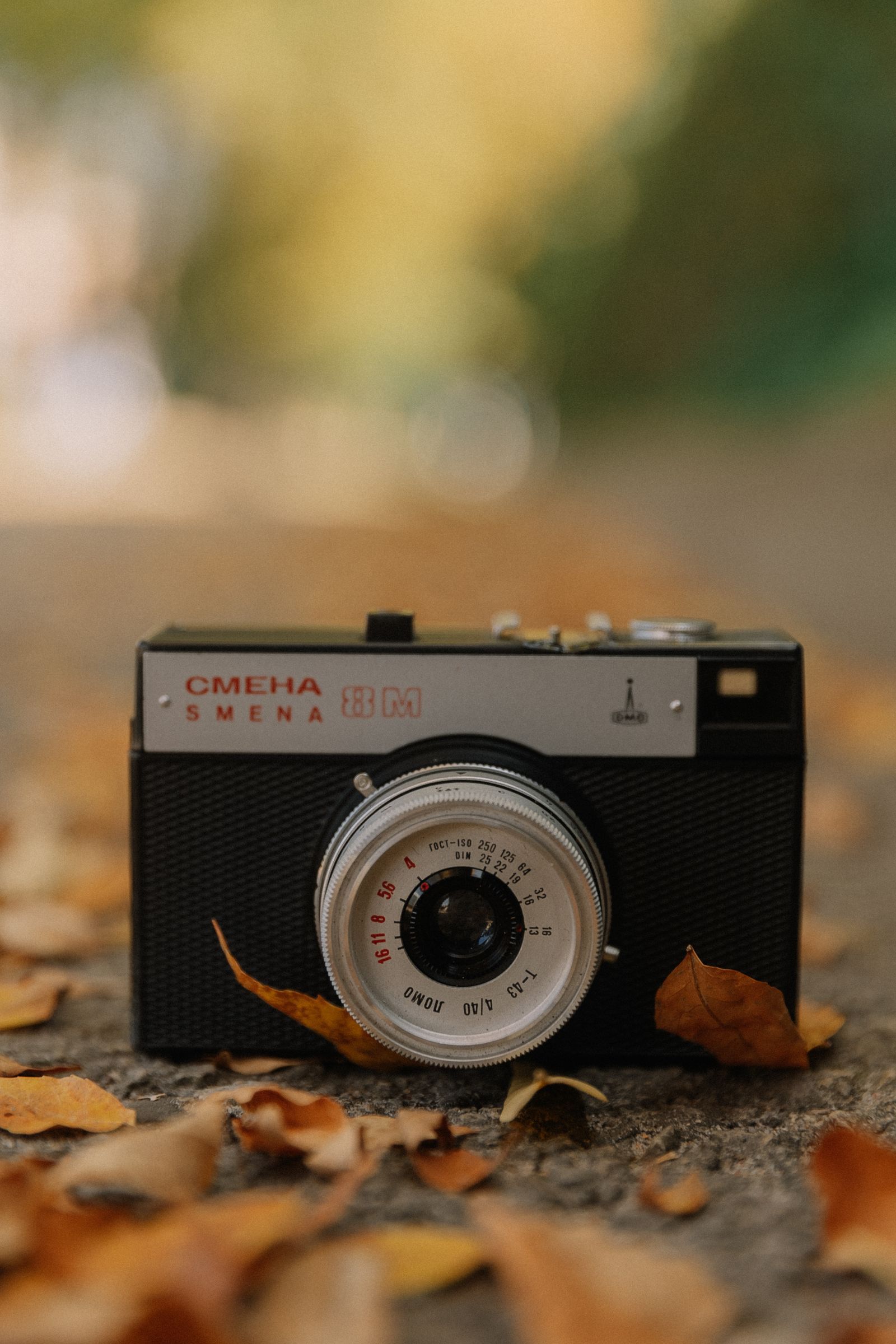
First, what the word actually covers
Photofinishing was originally a single transaction: you handed over a roll of exposed film and got back negatives and prints. Retail finishing today is a bundle of at least seven distinct services, usually sold separately, and the confusion starts because counters still price and talk about them as if they were one thing.
Developing is the chemical part, for film only. Color negative film runs through a process called C-41; slide film through E-6; black-and-white film through its own chemistry. Developing alone gives you negatives — not prints, not files.
Scanning turns a negative, slide, or print into a digital file. This is now the most consequential choice in the whole bundle, because the scan resolution decides everything you can do later.
Printing from digital files is the largest part of the modern business: you upload phone or camera files and receive photographic prints, from wallet size up to, at one New Jersey and Philadelphia lab, 40 by 60 inches.
Reprints and enlargements are prints made from an existing negative or file, larger or additional copies of an image already finished once.
Photo products — books, calendars, cards, canvas wraps, posters, magnets, mugs — are finishing applied to objects rather than sheets of paper.
Restoration and retouching are repair and correction work on an image itself: fading, tears, dust, color shifts. They sit next to finishing on most counters — this site lists 3,152 photo retouching and coloring businesses and 1,063 photo restoration businesses — but they are skilled hand work, priced by time or by image, not by the sheet.
Transfer and duplication covers old media — VHS, home-movie reels, slides — converted to files or discs, plus straightforward copies of prints you no longer have negatives for.
When a quote seems high or low, unbundle it first. “Develop and print” bundles three services. “Just the scans, please” unbundles one. Almost every argument at a photo counter is really an argument about which parts were included.
Film developing: the surviving core
Film finishing survives in two very different forms, and choosing between them is the first real decision.
The drugstore route. Walgreens lists film processing from $15.99, with a published price of $15.99 per 24-exposure roll of 35mm color film, ready in three to five business days, with a free photo CD. CVS develops 35mm film and disposable cameras, printing on 4x6 paper in seven to ten days, with slower routes — roughly three weeks — for APS, 110, black-and-white, and slide film. The trade-offs are structural, not accidental: the chains send film out, the scans on that free CD are low resolution — good for a 4x6 print, not for an enlargement — and Walgreens states plainly that orders will not include your negatives. Read that sentence twice before handing over a roll you care about. A negative is the original. A low-resolution scan without the negative is a copy you can never improve.
The specialist lab route. Independent labs develop in-house, return your negatives, and let you choose the scan level. At Dan’s Camera City, a long-running Pennsylvania lab, 35mm color developing is $6.50 a roll, with scanning at three levels — standard at $8.50, medium at $11.50, high at $18.50 — and a set of prints for another $8.50. Black-and-white developing there is $8.50; medium-format 120 color developing is $8. At Unique Photo, color 35mm developing is $5.99 a roll, black-and-white is $15.99, and slide film is $19.99. Turnaround is the honest cost of the specialist route: Unique lists eight days for develop-only color work and one to two weeks for develop, scans, and prints together. A one-hour rush still exists in places — Dan’s offers it for 35mm color only, for $5 a roll extra, when workload allows — but it is the exception now, not the promise the whole industry once made.
For a small business, the rule is simple. Disposable cameras from an event, where the images are souvenirs? The drugstore is fine. Anything you might print large, reuse in marketing, or need again in five years? Use a lab that returns negatives and sells you a scan worth keeping.
Scanning: the decision you cannot undo cheaply
A scan is not a scan. Resolution is the whole story, and labs describe it in two different languages — pixels for whole-roll scanning, and print-size equivalents — so translate before you buy.
Dan’s three tiers make the ladder concrete. Its standard 35mm scan is 1545 by 1024 pixels, described as good for prints up to 5 by 7. Its medium scan, 3089 by 2048, supports prints up to 11 by 14. Its high scan, 6774 by 4492, is sold for larger prints and for maximum editing flexibility. The price difference between the bottom and top of that ladder is ten dollars a roll. The difference in what you can do afterward is the difference between a social post and a trade-show backdrop.
Businesses get this wrong in a predictable way: they scan old negatives or slides at the cheapest level for a website, then two years later want the same image on a banner. Re-scanning means finding the negatives again — if the first lab kept them, that conversation is already over — and paying twice. If there is any chance an image will ever be printed larger than a sheet of letter paper, buy the high scan once and archive the file. Storage is cheap. Originals are not.
Print scanning follows the same logic with volume pricing. Unique scans old prints at $1 each for the first ten, falling to 18 cents each at 250 or more, with a high-resolution version at $2 each. For a business digitizing a wall of historical photographs, that volume curve is the difference between a project and a hobby.
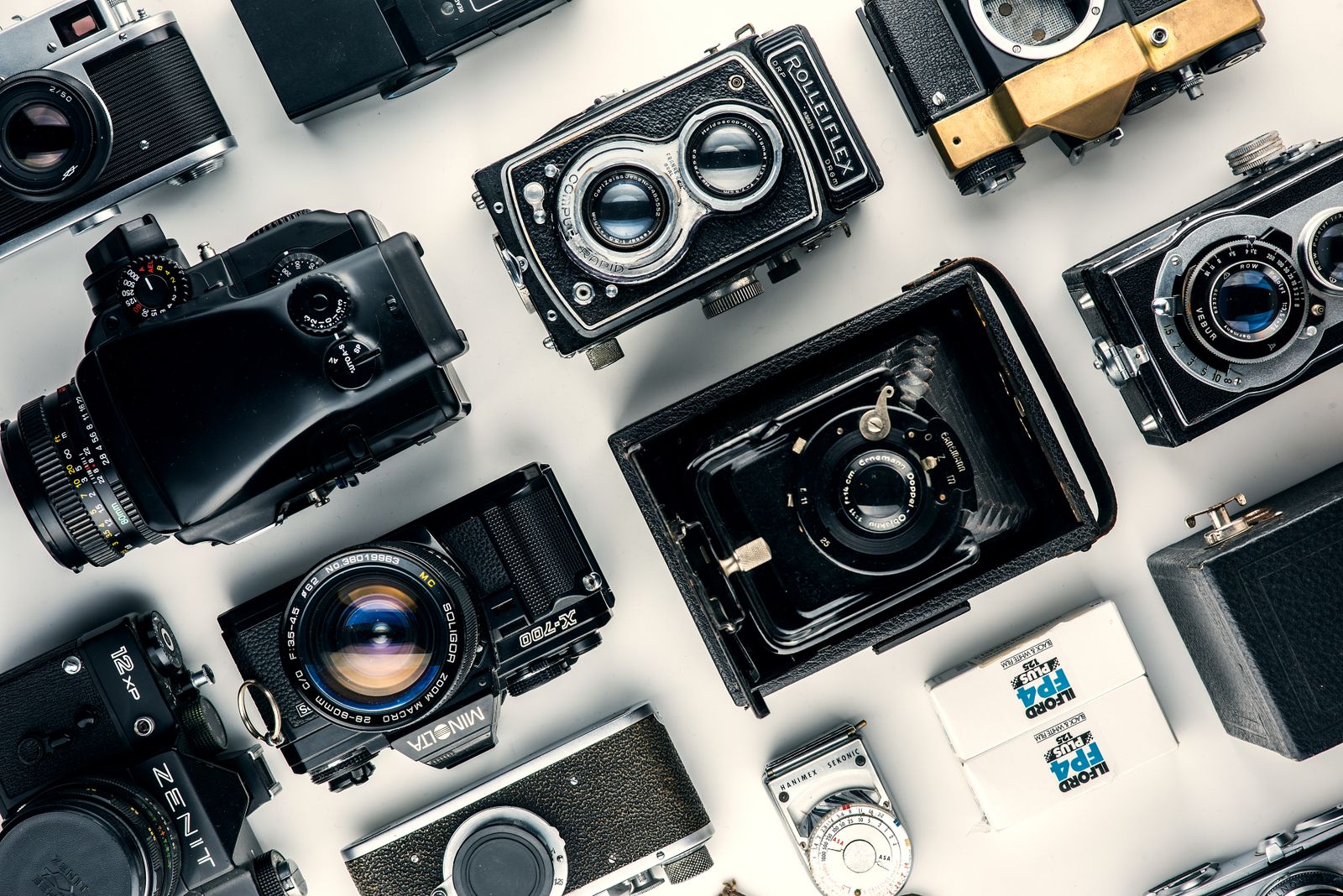
Printing: paper, finish, and the sizes that matter
Digital printing is where most finishing money is now spent, and it is the most standardized part of the business. Walgreens lists prints and enlargements from $0.29, wallet prints at $0.99 each, and posters from $12.99. At Unique, a 4x6 print from film is 50 cents, a 5x7 is 99 cents, and an 8x10 is $3.99. Those are commodity prices, and for commodity work — event handouts, staff boards, menu inserts — they are the right prices to pay.
Three choices separate a good print order from a disappointing one.
Finish. Glossy gives saturated color and sharpness, and shows every fingerprint. Lustre — sometimes called matte or pearl — is the professional default for anything that will be handled, framed under glass, or photographed again, because it kills reflections. For business use, lustre is right far more often than glossy.
Paper is not ink. A real photographic print is exposed on light-sensitive paper and developed; a cheap alternative is inkjet on plain stock. Both can look fine on day one. Photographic prints hold color and survive handling better, which is why labs advertise them as “real photographic prints.” If a price is far below the ranges above, ask what the print is actually made on.
Size and crop. A phone photograph is not shaped like a 4x6, an 8x10, or a poster. Every enlargement crops something. Order through a counter or an interface that shows you the crop before printing, especially for group photographs where the person at the edge is the owner’s mother. Reprinting a badly cropped enlargement costs more than the thirty seconds the preview would have taken.
The optional parts, judged honestly
Photo books and products. Walgreens lists a basic print book at $9.99 and premium photo books up to $179.99 for an 11 by 14 premium edition, with canvas prints from $39.99. For a business, books earn their money in exactly two places: a portfolio or sample book that clients handle in person, and a record book — a year of work, a completed project — that will be kept. Calendars and gift products are seasonal retail, not business infrastructure. Buy them as gifts, not as marketing.
Framing and mounting. Labs increasingly finish the job all the way to the wall: Unique lists standard matting up to 30 by 40 at $24.99, metal frames at $79.99, and wood frames at $119.99. Foamcore mounting and canvas wrapping sit in the same category. This is convenience pricing — a frame shop may do it better, a big-box store cheaper — but for a business that needs six framed prints hung by Friday, one counter that prints, mats, and frames is worth a premium.
Restoration. Priced as hand work: Unique charges retouching by the half hour, at $50. A faded storefront photograph from 1978, restored and reprinted large, can be the single most effective piece of wall art a family business owns. A shoebox of slightly dusty snapshots does not need $50-a-half-hour attention; it needs scanning. Learn to tell those two piles apart before you reach the counter.
Passport and ID photographs are a small, regulated corner of finishing: a photograph taken to a government specification for size, background, and head position, usually ready in minutes — $9.99 at Unique, $16.99 at Walgreens. It is finishing as compliance, and the only question that matters is whether the counter guarantees the specification.
What a sensible order costs
| Order | Typical cost | What sets the price |
|---|---|---|
| 35mm color roll, develop only (specialist lab) | $5.99–$6.50 | Film type; black-and-white and slide cost more |
| Same roll, develop + high-resolution scan | About $25 | Scan tier is the variable — standard scan brings it to about $15 |
| Same roll at a drugstore chain | $15.99 per 24 exposures | Prints and a low-resolution CD included; negatives not returned at Walgreens |
| 100 digital 4x6 prints | Roughly $29–$50 | Per-print price from $0.29 up; finish and paper |
| Digitizing 250 old prints | About $45 standard, $500 high-resolution | Volume pricing collapses the standard rate; resolution does not collapse |
| One restored photograph | $50 per half hour of retouching, plus the print | Damage, not size — a torn, faded original takes the time it takes |
How to order like a professional
Write the order down before you go, in four lines: what you are handing over, what you want back, at what size or resolution, and by when. Ask three questions at the counter. Do you return the negatives — always, in writing on the receipt if the film matters. Is the work done here or sent out, because that decides both the timeline and who to call when something is wrong. And what exactly does the file you give me measure, in pixels, not in adjectives.
This site lists 7,823 photofinishing retail businesses, alongside thousands of photographers who can shoot the images in the first place. The finishing counter is not glamorous, and it is not obsolete. It is the last step between having photographs and having something you can put in a customer’s hands — and, handled with a written order and the right scan, it is the cheapest insurance in the whole photographic process.
Sources
- Dan’s Camera City, The Film Lab — developing, scanning, and print prices by film type and scan tier; one-hour rush terms.
- Unique Photo, Photo Lab — developing, scanning, print, framing, and retouching prices; turnaround times by service.
- Walgreens Photo — retail print, product, passport, and film processing prices; film terms including the photo CD and negatives policy.
- CVS Photo, via CameraDojo’s chain comparison — 35mm and disposable developing, turnaround by film type.
- CameraDojo, “Develop Film at CVS, Walgreens or Walmart” — chain comparison of price, turnaround, formats, and negatives policies.
Photo credits: Vintage camera — photo by Elina Volkova, https://www.pexels.com/photo/18332726/ . Assorted cameras — photo by Alex Andrews, https://www.pexels.com/photo/assorted-black-and-gray-cameras-1983038/ . Camera lenses — photo by Nguyen Huy, https://www.pexels.com/photo/19079982/ .
More guides
- How to Find a Wedding Photographer: The Complete, Honest GuidePhotographers › Wedding Photographers
- How Much Does a Wedding Photographer Cost? Packages DecodedPhotographers › Wedding Photographers
- 10 Questions to Ask a Wedding Photographer Before You BookPhotographers › Wedding Photographers
- Wedding Photography Styles Explained: Documentary, Editorial, Traditional, Fine ArtPhotographers › Wedding Photographers
- Hiring a Wedding Photographer in California: Venue Light, Permits, and Price LevelsPhotographers › Wedding Photographers
- All Guides & ArticlesBrowse the full guides library