Photographers › Photographers Commercial & Industrial
What Photographers Commercial and Industrial Actually Includes: The Service Broken Down in Plain Language
If you run a small business, you have probably typed some version of "photographer near me" into a search box, landed on a category called Photographers Commercial & Industrial, and wondered what you were actually looking at. It is one of the least self-explanatory labels in the trade. It does not mean wedding photographers with harder hats. It does not mean product photos only. On this site it is a large, working category — this site lists 5,719 photographers under Commercial & Industrial — and inside it sit people who shoot boardrooms, bottling lines, tower cranes, and tractor parts, sometimes all in the same week.
I book photographers for a living. The confusion I see most often is not about talent. It is about scope. A client asks for "some photos for the website," receives three quotes that differ by a factor of four, and cannot tell whether the expensive photographer is better or simply including more. Usually it is the second thing. Commercial and industrial photography is a bundle of separable services, each with its own price and paperwork. This guide unbundles it, so you can buy only the parts you need.
First, the two halves of the label
Commercial photography is photography made to sell, recruit, or persuade. The pictures have a job in the market: they go on a website, in a capability deck, on a trade-show wall, in a paid advertisement, or on packaging. Headshots for your leadership page, photographs of your premises, a product line shot cleanly for a catalogue, a crew at work for a recruiting campaign — all commercial.
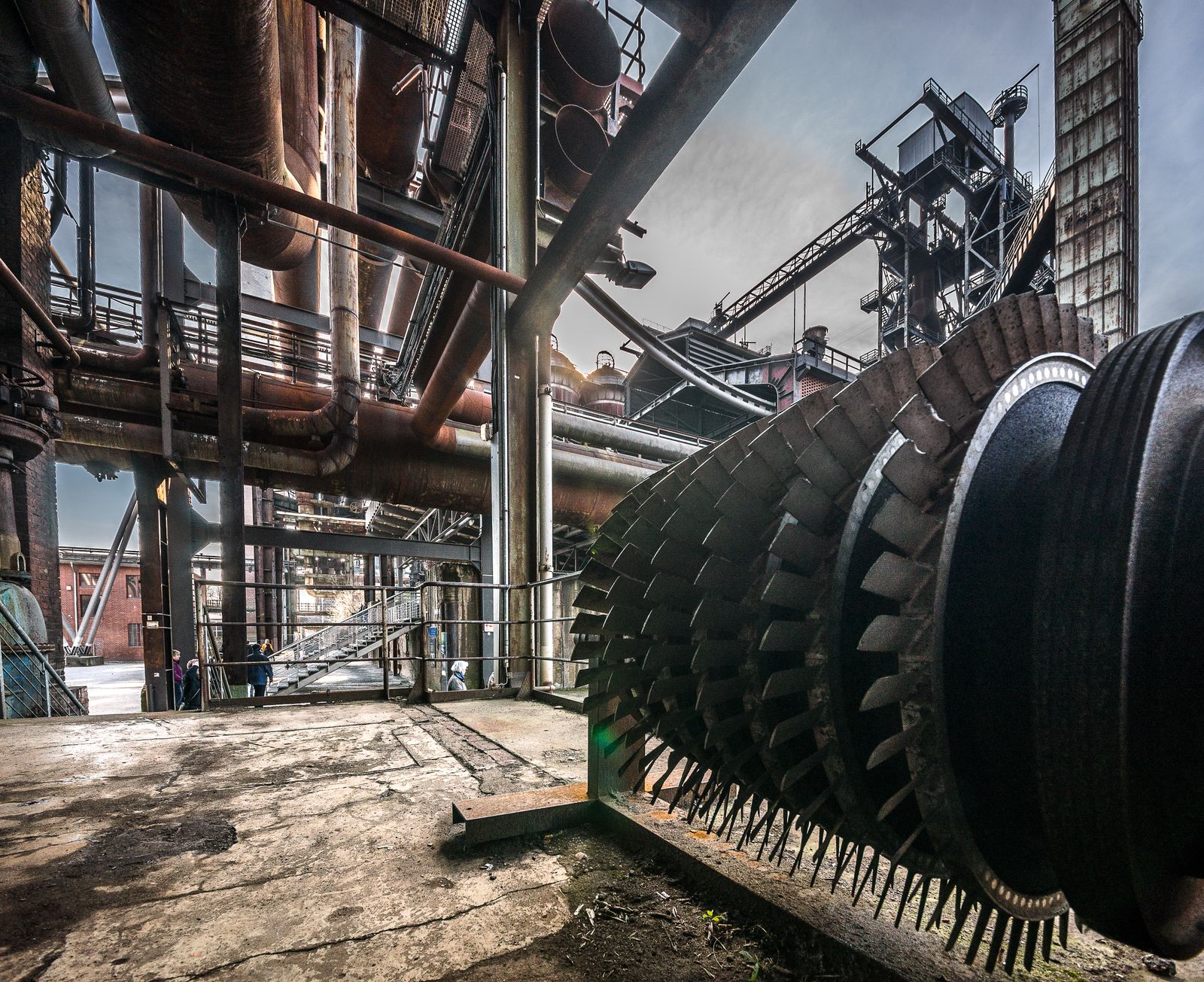
Industrial photography is commercial photography that happens in places with gates, inductions, and hazard assessments: factories, refineries, warehouses, construction sites, farms, ports, and plants. The subject is usually the operation itself — machinery, process, scale, and the people who run it. The defining difference is not the camera. It is access. On an industrial site, what a visitor may wear, where they may stand, and what they may point a lens at are settled before anyone discusses lenses.
Many photographers work both halves, and for a small business the distinction matters mainly because industrial work carries extra lead time and extra compliance. If your shoot is in an office, a shop, or a studio, you are buying commercial photography. If it is on a live production floor, you are also buying industrial discipline, whether the quote names it or not.
The component parts, one by one
1. Pre-production
This is the planning work before shoot day: a briefing call, a shot list, a site visit or recce, scheduling around production, and, for industrial work, the safety and access paperwork. Some photographers fold the first planning call into the day rate and charge separately for extended pre-production — one published rate sheet puts additional pre-production at $125 an hour after the first half hour included. Pre-production is optional only in the sense that skipping it is possible. On a simple headshot morning it can be a fifteen-minute call. On a plant shoot, it is the difference between a working day and an escorted walk to the gate and back.
Ask what is included. A cheap quote sometimes assumes you will do the planning: assemble the people, clear the areas, obtain the permissions. Fair, if you have the staff time. A nasty surprise if you do not.
2. The shoot itself: time, sold by the hour, half day, or day
The photographer's time on site is the line everyone expects. Published structures are consistent across the market. Hourly billing, typically $250 to $500 an hour, is generally reserved for brief, local jobs — a single subject, a quick facility visit. Half-day rates cover up to about four hours; full-day rates cover eight to ten. For industrial, architectural, and infrastructure work, one current pricing guide puts a half day on site at $1,800 to $3,000 and a full day at $3,500 to $6,000 or more, reflecting the planning, lighting, and safety coordination involved. Smaller regional markets run lower: a Nebraska studio publishing its rates openly charges $600 for a half day and $1,100 for a full production day, with a commercial licence included. A Florida studio's 2026 rate sheet lists $1,300 to $1,500 for a half day and $2,400 to $3,300 for a full day, also with a licence included. The spread is real, and it is mostly geography, crew size, and what else is bundled — which is exactly why you compare the bundle, not the headline.
3. Crew and assistants
A solo photographer is the base case. Larger jobs add an assistant (one published rate is $125 an hour), sometimes a second photographer, and on advertising-style shoots a stylist, a producer, or a digital technician who tethers the camera to a screen so the client can approve images as they are made. Crew is genuinely optional for most small-business work. It stops being optional when the day involves large lighting setups, multiple locations, or a production line that will pause for nobody: extra hands are how a photographer keeps up with your operation instead of slowing it.
4. Equipment and lighting
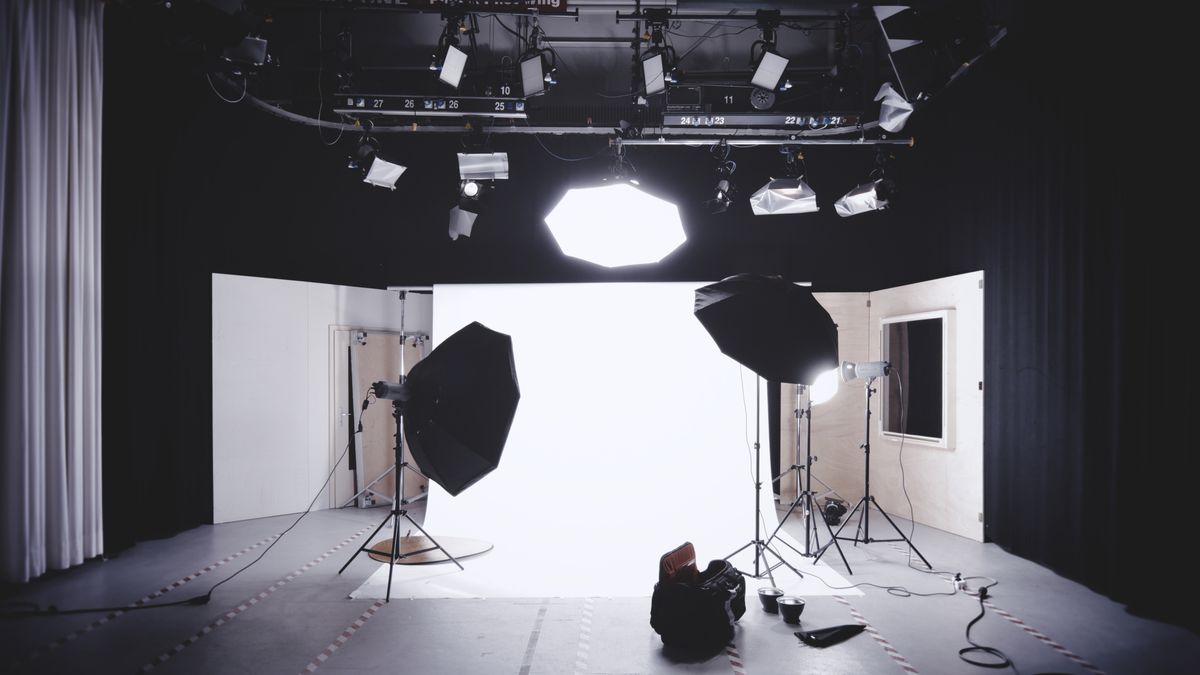
Standard kit is normally included. Specialist kit is not always: medium-format cameras, tilt-shift lenses for architecture, grip trucks for complex lighting, and an on-site studio setup for headshot stations (one rate sheet prices that at $500 per station per day) can all appear as separate lines. For industrial work, there is a harder equipment question: some classified or hazardous areas restrict what electrical equipment may be brought in at all, and that has to be settled in planning, not at the gate.
5. Post-production: editing, retouching, and delivery
What happens after the shoot is a service in its own right, and quotes differ wildly in how much of it they include. Basic post-production means selecting the best frames, correcting colour and exposure, and delivering finished files — one Florida rate sheet includes standard editing and delivery within ten business days, and charges $500 per shoot day for same-day delivery. Advanced retouching — removing distractions, compositing, heavy product clean-up — is usually billed per image or per hour. Ask three questions: how many finished images are included, what level of retouching "finished" means, and when you will get them. A full day of shooting that delivers forty polished images and a full day that delivers four hundred lightly corrected ones are different products at different prices, and both are legitimate — for different uses.
6. The licence: the part you are actually buying
Here is the sentence that explains most commercial pricing, and the one first-time buyers are rarely told: in commercial photography, you are not only buying photographs, you are buying permission to use them. Under United States law, the photographer generally owns the copyright from the moment the image is made, unless they made it as an employee or a written agreement says otherwise. What you receive is a licence — permission to use the images in defined ways.
Nearly every licence is described by the same elements:
| Licence element | What it means | Why it moves the price |
|---|---|---|
| Media | Where the images appear: website, social media, print, trade shows, paid advertising, packaging, broadcast | A billboard does more work for you than a web page, and is priced that way |
| Territory | Where in the world they run: local, national, North America, worldwide | Wider territory means wider value |
| Duration | How long you may use them: a year, three years, or perpetual | Longer use costs more than shorter use |
| Exclusivity | Whether the photographer may license the same images to others, sometimes limited to your industry | Exclusivity takes the images off the market for everyone else |
"Buyout" is the word clients reach for, and it has no single agreed meaning. To some photographers it means unlimited use in all media forever, with the photographer keeping the copyright; to others it means an outright transfer of copyright, which is a larger and more expensive thing. If you ask for a buyout, expect a good photographer to ask what uses you actually have in mind — because a broad licence for a set number of years often covers the real need for less money. For most small businesses, the honest requirement is modest: your own website, your own social channels, your own sales materials, for as long as the images stay current. Say that, in those words, and the licence line shrinks to fit.
Two related items sit outside the licence and are worth naming. Model releases — signed permission from recognisable people in the photographs — are separate from the photographer's copyright licence, and commercial use generally needs them, including for your own employees. And raw files are usually not included unless the agreement says so. If you want them, negotiate that before the shoot, not after.
The industrial extras, and why they are not padding
If your shoot is on an industrial site, four extra components appear, and none of them is a luxury.
Safety compliance. Protective equipment is set by your site's own hazard assessment, not by the photographer's habit. The usual baseline is hard hat, safety glasses, steel-toe boots, high-visibility clothing, and hearing protection; some sites add flame-resistant clothing, gas monitors, or respiratory protection. Photographers who work in heavy industry also encounter requirements for OSHA 10-hour or 30-hour training, site inductions, and, at secure ports, a TWIC credential for unescorted access. If a photographer seems surprised by any of this, they are not an industrial photographer, whatever their listing says.
Escorts and access time. Many sites require a staff escort, gate paperwork, and a visitor orientation. That time comes out of the shoot day. The practical consequence: an escorted four-hour window is not four hours of photography, and a photographer experienced in this work will build the shot list around it.
Confidentiality and no-photography zones. Production processes can be trade secrets. Expect the site to mark permitted and restricted zones, expect an escort to hold a veto on individual setups, and agree in advance whether images need review before they leave the site. This is normal, and a professional will offer it before you ask.
Working around production. Industrial shoots are planned around operations, not the other way round. Work near energised machinery raises lockout/tagout questions only the site can authorise; overhead cranes create exclusion zones; the photographer works to the operation's rhythm. Combining stills and video into one escorted visit is a genuine saving: access is the expensive part, and paying for it once instead of twice is real money.
What is optional, honestly
Stripped down, a small business can legitimately skip: a second photographer (rarely needed outside large events), advanced retouching (basic correction covers most web use), same-day delivery (priced as a rush service because it is one), aerials (valuable when scale, land, or setting is the story; a postcard of your roof when it is not — this site lists 877 aerial photographers if you do need one), and exclusivity (most small businesses never need it). What you cannot skip without risk is the licence conversation, the releases for recognisable people, and, on industrial sites, the safety planning. Those three are the load-bearing parts.
Reading a quote: a worked comparison
Two quotes for the same factory-and-office shoot might look like this once unbundled:
| Line | Quote A | Quote B |
|---|---|---|
| Photographer's time | Full day, $2,400 | Full day included in package |
| Assistant | $500 | Included |
| Pre-production and safety planning | $250 | Included |
| Finished images | 40, advanced retouching extra | 100+, standard editing included |
| Licence | Website and print, 3 years, national | Broad licence, perpetual |
| Delivery | 10 business days | 2 weeks |
| Total | $3,150 plus retouching | $1,100–$1,800 regional package range |
Neither quote is dishonest. They are different bundles from different markets, and the cheaper one may be exactly right if its licence covers your use and its image count covers your website. The discipline is to force every quote into the same rows — time, crew, planning, finished images, licence, delivery — and compare row by row. Photographers who work commercially do this unbundling every day; a clear, itemised estimate is itself a professional signal, and a single unexplained number is a reason to ask questions before you sign, not after.
Questions to ask before you book
- What exactly does the price include: planning, assistant, editing, how many finished images, and what licence?
- What are the licence's media, territory, and duration — and what would it cost to extend them later?
- Who owns the copyright, and are raw files available, at what price?
- For industrial sites: what safety training and PPE do you carry, and have you worked under escort and induction rules before?
- Do you handle model releases for our employees, and may we review images for confidential processes before delivery?
- What is the delivery time, and what does a rush cost?
- What happens if production stops the shoot — how is lost time billed?
Finding the right one
Use the category as a map, not a verdict. This site lists 5,719 photographers under Commercial & Industrial, alongside 672 portrait photographers and 141 architectural photographers for the jobs that lean that way. Shortlist by the half of the label your job actually sits in, ask each candidate to unbundle a quote into the rows above, and check one full delivered job — not a highlight reel — in a setting like yours. Do that, and the label stops being mysterious: it becomes a list of parts, each of which you have either bought on purpose or declined on purpose. That is what hiring a professional is supposed to feel like.
Sources
- ChicoM Photo, Corporate Photography Pricing Guide — hourly billing of $250–$500, half-day and full-day structures, and industrial, architectural and infrastructure on-site production at $1,800–$3,000 per half day and $3,500–$6,000 or more per full day.
- Deremer Studios, 2026 Standard Rate Sheet — half-day rates of $1,300–$1,500 and full-day rates of $2,400–$3,300 including standard editing, delivery within 10 business days and a perpetual licence; assistant at $125 an hour; same-day delivery at $500; on-site studio at $500 per station per day.
- NVAR Studios, Nebraska commercial photography rates — published half day of $600 and full production day of $1,100, multi-day campaigns from $2,500, each including a commercial licence.
- Andrew Johnston Studio, Photo Licensing and Usage Rights Explained — copyright ownership by the photographer, licensing described by media, territory and duration, exclusive and non-exclusive licences, and the loose, non-standard meaning of "buyout."
- Marmalade Media, Industrial & Manufacturing Photography, Houston — site orientation, escorts, gate paperwork and PPE settled before the shoot; the site's hazard assessment governing what a crew wears and where it may stand.
- Joe Robbins, industrial photography safety guidance for refinery and plant work — OSHA 10-hour and 30-hour training, flame-resistant clothing, TWIC credentials for secure port access, and contractor management systems such as ISNetworld, Veriforce and Avetta.
- Pixobo, Industrial Photography: Practical Tips for Safer, Better Shoots — on-site safety checklist covering PPE, permitted and restricted zones, lockout/tagout verification, spotters and overhead hazards.
Photographs: factory machinery, photo by Mike van Schoonderwalt, https://www.pexels.com/photo/5503874/ ; studio set, photo by Alexander Dummer, https://www.pexels.com/photo/134469/
More guides
- How to Find a Wedding Photographer: The Complete, Honest GuidePhotographers › Wedding Photographers
- How Much Does a Wedding Photographer Cost? Packages DecodedPhotographers › Wedding Photographers
- 10 Questions to Ask a Wedding Photographer Before You BookPhotographers › Wedding Photographers
- Wedding Photography Styles Explained: Documentary, Editorial, Traditional, Fine ArtPhotographers › Wedding Photographers
- Hiring a Wedding Photographer in California: Venue Light, Permits, and Price LevelsPhotographers › Wedding Photographers
- All Guides & ArticlesBrowse the full guides library