Photographers › Portrait & Commercial Photography
What Portrait and Commercial Photography Actually Includes: The Service Broken Down in Plain Language
"Photography" sounds like one service. It is two, sharing a camera. Portrait photography sells people their own faces; commercial photography sells businesses the right to persuade strangers with pictures. I managed a portrait studio, where I also fielded the commercial inquiries that wandered in, and the most useful thing I ever did for clients was translate: take the estimate or the package apart, piece by piece, and say what each piece is, what it costs, and whether it's optional. That is this guide. This site lists 381 portrait and commercial photography providers alongside some 5,700 commercial and industrial specialists, and nearly all of them price from the same kit of parts. Learn the parts and every quote in the trade becomes readable.
The parts every job is built from
Whether the client is a grandmother or a marketing department, a photography job assembles the same components. The difference is which ones are bundled invisibly and which ones arrive as line items.
| Component | What it actually is | Portrait version | Commercial version |
|---|---|---|---|
| Pre-production | Planning: consultation, shot list, schedule, location and wardrobe decisions | A planning call or styling consult, often inside the session fee | Billed time: brief, scouting, casting, call sheets |
| The shoot itself | Photographer's time, skill, equipment, direction | The session, priced by time or as a flat package | A creative fee, usually a day rate or half-day rate |
| Crew and kit | Assistants, stylists, makeup, studio, rentals | Usually just the photographer; studio and props included | Separate lines: assistants, digital tech, stylist, studio hire, equipment |
| Post-production | Selection, color work, retouching, delivery files | Editing of the gallery; retouching on chosen images | Priced per final image or per day; retouching depth specified |
| The product | Prints, albums, files | Sold separately or bundled, by package | Files delivered to specification; prints rarely central |
| The rights | What you may legally do with the images | A personal print release | A usage license: media, territory, term, exclusivity |
Read any quote against that table and the fog lifts. What follows is each part in plain language, with the costs that attach to it.
Pre-production: the work before the work
On the portrait side, pre-production is the consultation — the conversation about location, clothing, who is coming, and what the pictures are for — plus the photographer's planning of light and backdrop. Good studios fold it into the session fee; one transparent example lists session planning, posing direction, image selection, and gallery preparation among the dozen things its fee covers beyond the hour with the camera. On the commercial side, pre-production is a billed phase with its own days: reviewing the brief, building the shot list, scouting or securing locations, coordinating talent, props, and permits, and producing the call sheet that runs the day. Industry teaching on estimates is blunt about why it is separated: the quote has to carry the work before the shoot, the shoot itself, the work after, and the usage — and a client who sees pre-production priced can also see what skipping it would cost in chaos.
Optional or not? For portraits, effectively never optional — it is inside the fee whether itemized or not. For commercial work, it scales with the job: a one-setup headshot day needs an hour of it; a multi-location brand shoot needs days, and cutting it doesn't remove the work, it moves it onto the shoot day at shoot-day prices.
The shoot: time, direction, and the creative fee
The portrait session fee buys the photographer's time and talent, their equipment and lighting, direction while shooting, and — read the fine print, because this varies — sometimes the finished service around it. Published portrait packages show the range of structures: one Chicago studio prices by the clock, $200 for a 20-minute business portrait session up to $800 for two hours, with edited image counts and a set number of retouched portraits rising with the tier; a Texas studio itemizes its fee as covering everything from planning to a personal print release, with the gallery delivered unwatermarked. The commercial equivalent is the creative fee: the photographer's charge for expertise and time on shoot days, expressed as a day rate or a project fee. It is deliberately not payment for the images themselves — that distinction, invisible to most first-time buyers, is what makes the rights section below exist.
Optional or not? The shoot is the job. What is negotiable inside it is duration, crew size, and locations — each of which is a real cost lever, unlike arguing about the photographer's rate in the abstract.
Post-production: editing is not retouching
The trade uses these words loosely; your money should not. Editing (or color work) is the global finishing applied across a gallery: exposure, white balance, contrast, color consistency, cropping — the work that makes forty photographs look like one photographer's set. Retouching is per-image surgery: skin smoothing and blemish removal, flyaway hairs, lint and background distractions taken out. Portrait packages typically include editing on the full gallery and retouching on a counted number of favorites — the Chicago example above includes 10 retouched portraits in its $200 tier and 50 in its $800 tier, which tells you retouching is metered because it is hand labor. Commercial estimates price post-production by the final image or the day, with the depth of retouching specified, because a product shot composited from five frames is a different purchase from a headshot cleaned up. When a quote says "all images retouched," ask which word it means. The answer is worth money in both directions.
The product: prints, files, and the part where portrait pricing splits
Here the two trades diverge completely. Commercial clients buy files to a specification and rarely think about prints. Portrait clients buy things — and the portrait business runs two honest models. In the fee-plus-products model, the session fee buys the sitting and the service around it, and prints, albums, and digital files are purchased afterward, at a viewing or from a gallery; one studio's FAQ states it in so many words: the $150 session fee covers shooting time, color correction, and retouching, and "does not include any prints or rights to digital files," with full-session digital files priced separately at $295. In the all-inclusive model, the fee buys the session and the edited gallery with download rights, and prints are the optional extra ordered from the gallery. Neither model is cheaper by nature — compare the total for the outcome you want (for most families: the files plus one printed piece) — but confusing one model for the other is the single most common source of portrait sticker shock, because a $150 fee and a $495 fee can be the same business at different points of the same transaction.
The rights: the part nobody explains until it matters
The photographer owns the copyright in the images. Always, in both trades, unless a contract moves it — which for ordinary commissions it does not. What you buy is permission, and the permission is shaped differently in each trade.
A portrait client receives a print release: permission to print the images for personal use. Read its limits, because they are real — one studio's release, for example, covers personal printing up to 8×10, excludes modifying or selling the images or entering them in contests, and leaves copyright with the photographer; digital files bought without that release may be web-sized sharing files, watermarked, not printable at all. None of that is sinister. It becomes a problem only when a client discovers at the print shop that the file they own a copy of is not a file they may print.
A commercial client receives a usage license, and this is the component with no ceiling. A license specifies the media (web, social, print, packaging, out-of-home), the territory (local, national, worldwide), the duration (a year, two years, in perpetuity), exclusivity, and the number of images — and it is priced like what it is, a rental of value: a worldwide two-year all-media campaign license is worth many times a one-year regional social license. Teaching examples in the trade make the arithmetic vivid: on one worked lookbook estimate, the photographer's day rate is $2,000 — and the usage fees add $3,300 on top of it. This is why commercial quotes confuse first-time business buyers: the photography can be the smaller half of the price of the using. It is also why the license is the most negotiable component in either trade — narrowing the media, the term, or the territory narrows the fee, and buying wider rights later is a normal, priced transaction, provided the original license is in writing.
What is actually optional
From the studio desk, the honest list. Genuinely optional: albums and wall art (buy later; the files keep), extra retouched images beyond the included count, rush delivery, additional locations and outfit changes (one studio prices an outfit change at $150 and a downtown location fee at $75 — small numbers that reveal the structure), and, commercially, wider usage than the launch actually needs. Not optional, whatever the quote implies: pre-production on anything beyond the simplest shoot, editing of the delivered gallery, the rights to use the images for the purpose you hired them for, and — on the portrait side — at least one route to a printable file. The trap category: components presented as included that are actually metered (retouching counts), and components presented as one-time that recur (gallery hosting, license terms that expire while the campaign is still running).
Reading any quote in five minutes
Take the table at the top and walk the quote down it. Is pre-production in, out, or invisible? Is the shoot priced by time, and whose time — one photographer or a crew? Is post-production editing or retouching, and on how many images? What product, exactly, changes hands? And what rights, in what words, for how long, come with it? A quote that answers all five is a professional document in either dialect of this trade. A quote that answers only the total is asking you to buy the parts without knowing which ones you got — and now you know their names.
Sources
- HSM University, PHOT-310, Estimates, Usage Licensing and Production — establishes the structure of a commercial estimate (creative fee, pre- and post-production fees, usage fee, crew, studio and equipment, production costs, markup) and that estimates may vary within agreed limits with change orders for larger changes.
- HSM University, PHOT-302, Rights, Pricing and Pitching — establishes how a usage license is specified (media, territory, duration, exclusivity, image count) and the worked lookbook example in which usage fees of $3,300 sit on top of a $2,000 day rate.
- Roadbase, How to Price Commercial Photography — establishes the quote formula (pre-production + production + post-production + usage/license + expenses + contingency) and the component breakdown.
- Blowers Creative, What a Commercial Photo Shoot Actually Costs — establishes small-business planning bands from $750 focused sessions to $10,000-plus productions and the five-part estimate structure.
- Fred Taylor Photography, What Is Included in the Session Fee — establishes the portrait session fee's component list (planning, equipment, lighting, direction, selection, post-processing, retouching, gallery, delivery, print release).
- Muskaan Moments Photography, Portrait Packages — establishes per-tier portrait pricing ($200–$800 by session length) with counted retouched portraits per tier and add-on pricing for outfit changes and location fees.
- Lisa Eley Photography, FAQ — establishes the fee-plus-products model stated plainly: a $150 session fee excluding prints and digital-file rights, with full-session files at $295.
- Kelly Tareski Photography, Investment FAQ — establishes print-release limits in practice (personal use, size limits, copyright retained by the photographer) and typical reveal-session product spend.
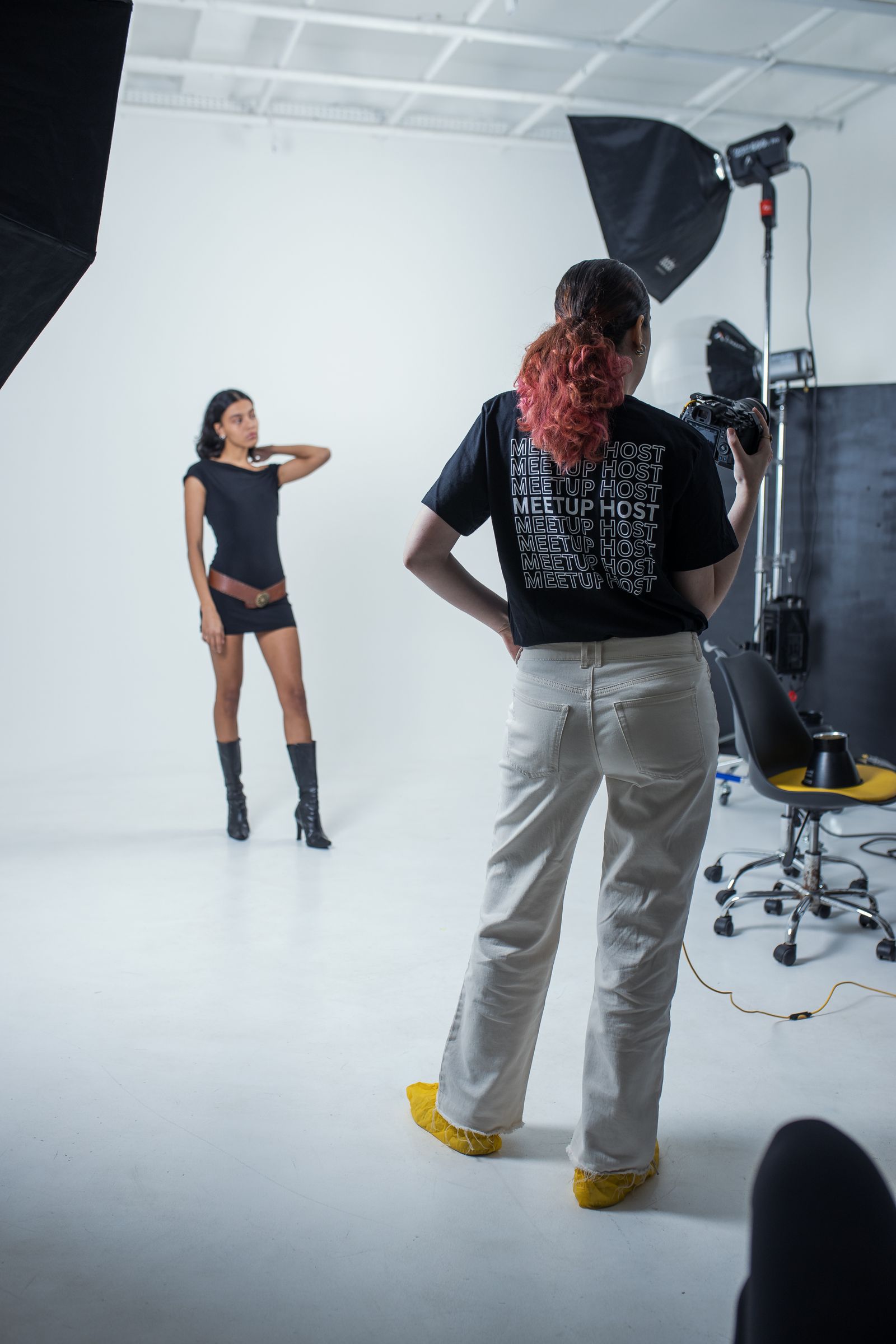
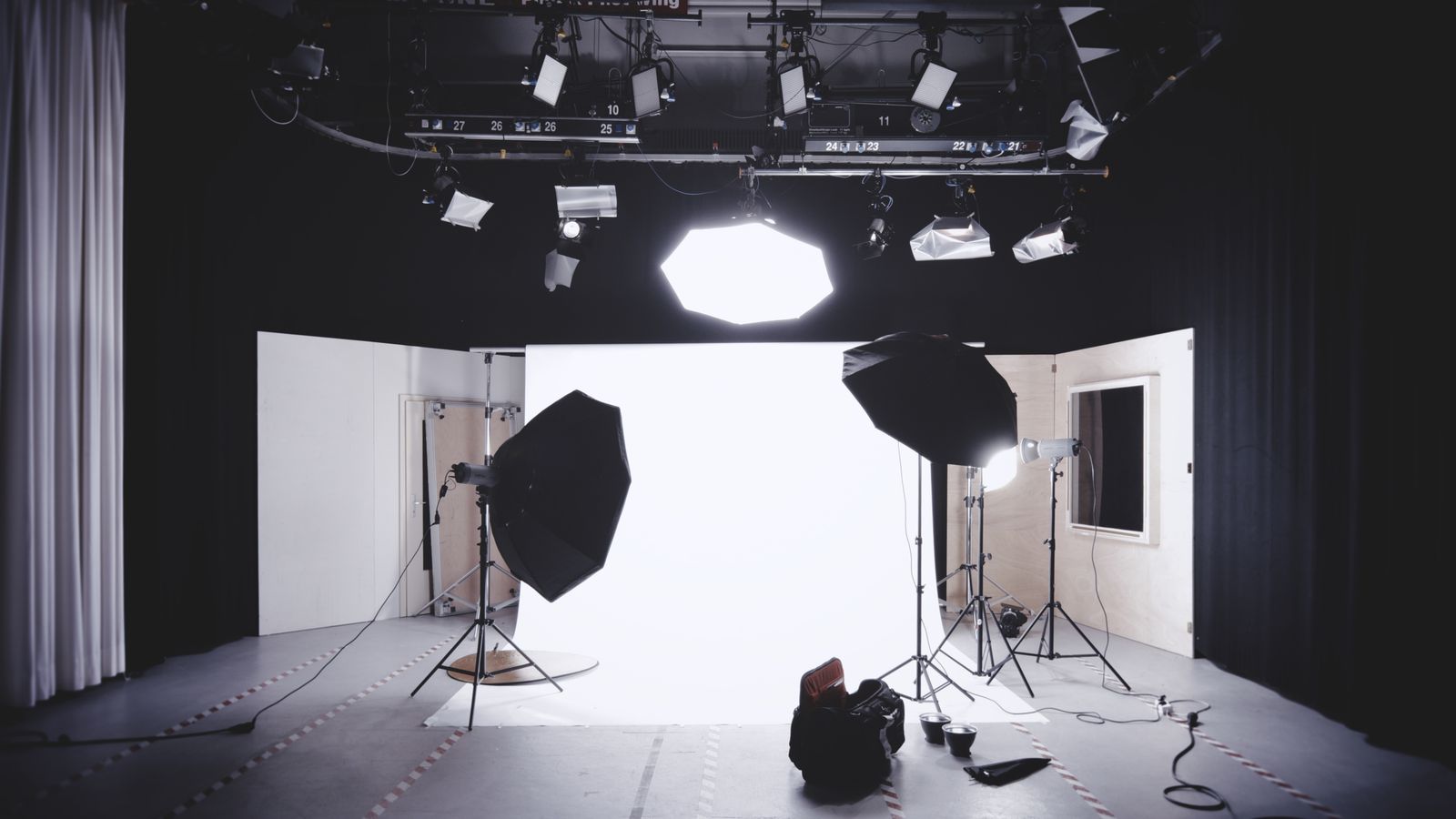
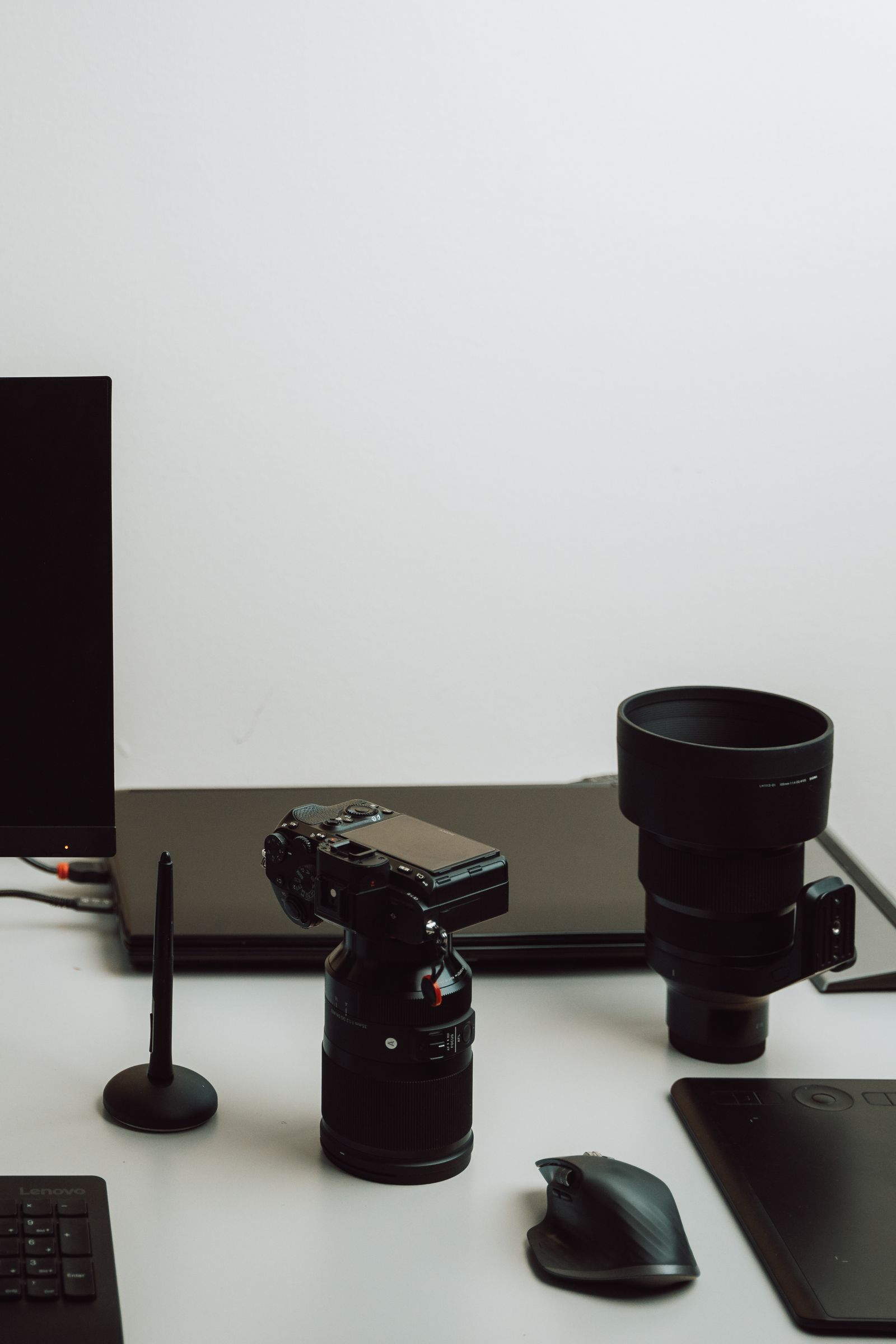
Photographs: directing a session — photo by Matheus Bertelli, https://www.pexels.com/photo/33714920/ ; studio ready for a shoot — photo by Alexander Dummer, https://www.pexels.com/photo/134469/ ; editing desk — photo by Masood Aslami, https://www.pexels.com/photo/19177223/
More guides
- How to Find a Wedding Photographer: The Complete, Honest GuidePhotographers › Wedding Photographers
- How Much Does a Wedding Photographer Cost? Packages DecodedPhotographers › Wedding Photographers
- 10 Questions to Ask a Wedding Photographer Before You BookPhotographers › Wedding Photographers
- Wedding Photography Styles Explained: Documentary, Editorial, Traditional, Fine ArtPhotographers › Wedding Photographers
- Hiring a Wedding Photographer in California: Venue Light, Permits, and Price LevelsPhotographers › Wedding Photographers
- All Guides & ArticlesBrowse the full guides library